
Waterproof Roof Coating Guide: Types, Costs & Benefits
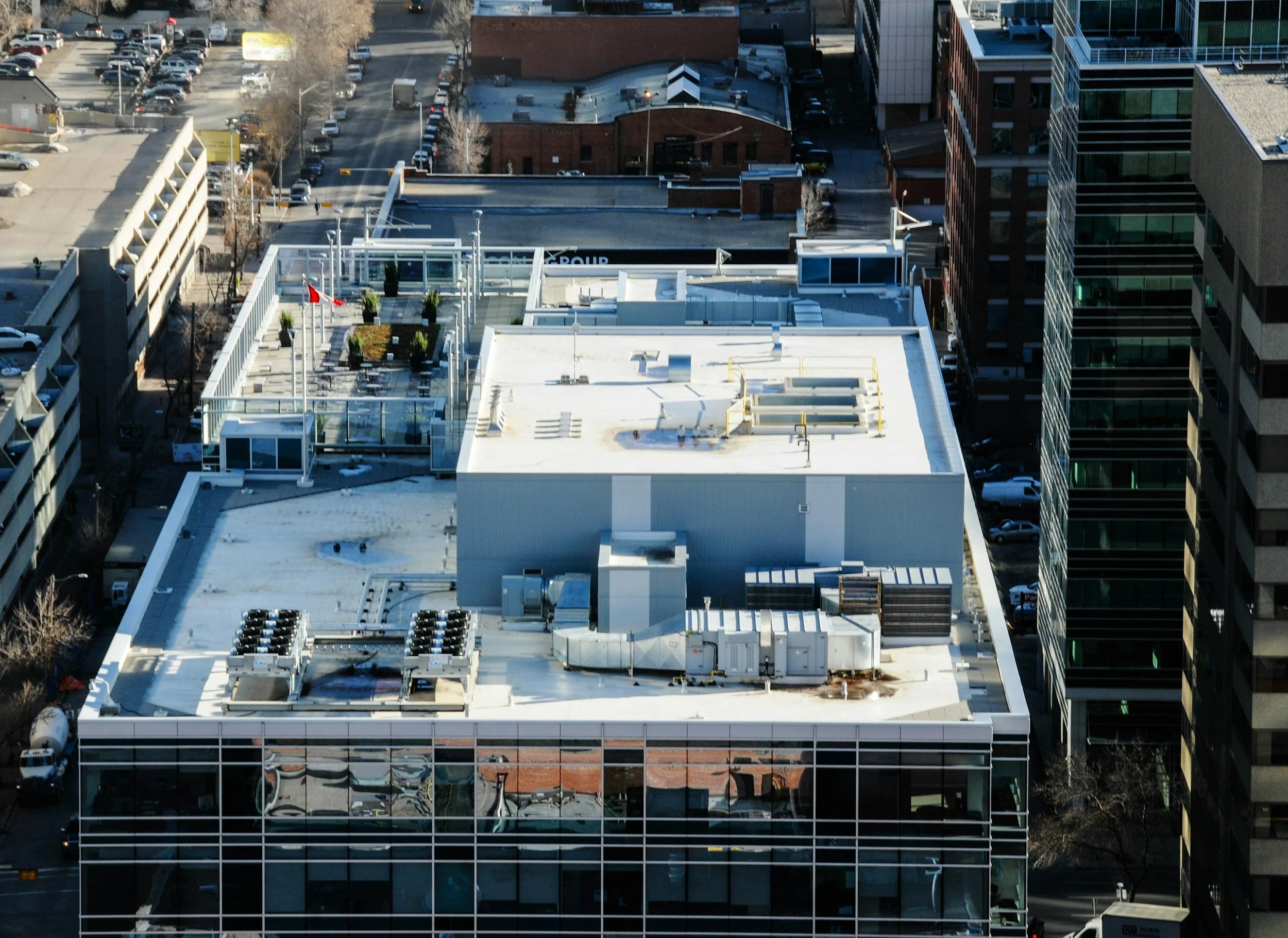
Your commercial roof is one of the most valuable assets protecting your building, employees, equipment, and daily operations. Over time, exposure to Minnesota's harsh weather, including heavy snow, rain, hail, UV rays, and freeze-thaw cycles, can cause your roofing system to deteriorate. Fortunately, a waterproof roof coating can help extend the life of your existing roof while improving energy efficiency and reducing maintenance costs.
For many commercial property owners, roof coatings offer a cost-effective alternative to a complete roof replacement. However, not every roof is a good candidate, and not every coating is the same.
In this guide, we'll explain what a waterproof roof coating is, the most common types available, average costs, benefits, and how to determine whether your building is a good candidate,
What Is a Waterproof Roof Coating?
Types of Waterproof Roof Coatings
What Does a Waterproof Roof Coating Cost?
Is Your Commercial Roof a Good Candidate?
Protect Your Commercial Roof with the Right Waterproof Roof Coating
What Is a Waterproof Roof Coating?
A waterproof roof coating is a seamless liquid-applied membrane installed over an existing commercial roof. Once cured, it forms a protective barrier that helps prevent water intrusion and shields the roof from UV damage, temperature fluctuations, and everyday wear.
Unlike paint, roof coatings become part of the roofing system by forming a durable, waterproof layer.
Commercial roof coatings are commonly installed over:
TPO roofs
EPDM roofs
Metal roofs
Modified bitumen roofs
Built-up roofs (BUR)
Spray polyurethane foam roofs
When installed correctly, a roof coating can significantly extend the service life of your existing roofing system.
How Does a Waterproof Roof Coating Work?
Roof coatings create a continuous membrane across the roof surface.
This seamless barrier helps:
Seal minor cracks
Protect seams
Resist standing water
Reflect UV rays
Reduce thermal expansion
Prevent moisture intrusion
Because there are no exposed fasteners or overlapping seams, coatings reduce many of the common failure points found on aging commercial roofs.
Types of Waterproof Roof Coatings
Choosing the right waterproof roof coating depends on your roofing material, climate, drainage, and building use.
Here are the four most common commercial roof coatings.
1. Silicone Roof Coatings
Silicone coatings are among the most popular waterproof roof coating options.
Best For:
Flat roofs
Low-slope roofs
Buildings with ponding water
Benefits
Excellent waterproof protection
Outstanding UV resistance
Handles standing water well
Long service life
Minimal maintenance
Silicone performs exceptionally well in climates that experience frequent rain or snow.
2. Acrylic Roof Coatings
Acrylic coatings are water-based products known for their reflectivity and affordability.
Best For
Sloped roofs
Metal roofing
Buildings focused on energy efficiency
Benefits
Lower installation cost
Highly reflective
Reduces cooling costs
Easy maintenance
However, acrylic coatings perform best on roofs with proper drainage, as they are less resistant to long-term ponding.
3. Polyurethane Roof Coatings
Polyurethane coatings provide outstanding durability and impact resistance.
Best For
High-traffic roofs
Industrial buildings
Warehouses
Manufacturing facilities
Benefits
Excellent abrasion resistance
Strong waterproofing
Superior impact protection
High tensile strength
Facilities with rooftop HVAC equipment often choose polyurethane because it tolerates maintenance traffic well.
4. Asphalt-Based Roof Coatings
Asphalt coatings have been used for decades to restore aging roofing systems.
Benefits
Budget-friendly
Good waterproofing
Compatible with certain roofing systems
While still used today, many commercial buildings now choose silicone or acrylic products because they offer longer performance and greater energy savings.
What Does a Waterproof Roof Coating Cost?
The cost of a waterproof roof coating varies depending on:
Roof size
Roof condition
Existing roofing material
Number of coating layers
Surface preparation
Warranty requirements
Generally, commercial roof coatings cost significantly less than complete roof replacement because the existing roof often remains in place.
Factors that influence pricing include:
Cleaning requirements
Roof repairs
Flashing replacement
Drain improvements
Material selection
The best way to determine cost is through a professional roof inspection and customized estimate.
Benefits of Waterproof Roof Coatings
Commercial building owners choose waterproof roof coatings for many reasons.
Extend Roof Life
One of the biggest advantages is extending the lifespan of an existing roofing system. Many coatings can add 10 to 20 years of additional service life when properly maintained.
Reduce Replacement Costs
Instead of removing and disposing of an entire roof, coatings restore and protect the existing membrane. This often results in substantial cost savings.
Improve Energy Efficiency
Reflective roof coatings help reduce heat absorption.
This may lower:
Cooling costs
HVAC workload
Interior temperatures
Reflective roofing systems are especially beneficial for warehouses, office buildings, retail centers, and schools. The U.S. Department of Energy's Cool Roofs guidance explains how reflective roofing materials can help reduce cooling energy use in many climates.
Waterproof Protection
As the name suggests, waterproof roof coatings create a seamless barrier that helps protect against:
Rain
Snow melt
Ice
Moisture intrusion
Small roof leaks
This helps reduce future repair costs while protecting valuable building assets.
Fewer Roof Repairs
By sealing small imperfections before they worsen, coatings help reduce ongoing maintenance. Routine inspections remain important, but many property owners experience fewer leak-related repairs after coating installation.
Sustainable Roofing Solution
Because roof coatings restore existing roofs rather than replacing them, they help reduce construction waste sent to landfills. This makes coatings an environmentally responsible roofing option.
The U.S. Environmental Protection Agency (EPA) Sustainable Materials Management program highlights the importance of extending the life of existing building materials to reduce waste and conserve resources.
Is Your Commercial Roof a Good Candidate?
Not every roof qualifies for a waterproof roof coating.
A professional inspection should evaluate:
Structural integrity
Moisture infiltration
Existing insulation
Roof membrane condition
Drainage performance
Flashing condition
Roofs with significant water damage or saturated insulation may require replacement instead.
Roof Coating vs Roof Replacement
Many property owners ask whether they should install a coating or replace the roof entirely.
A roof coating may be appropriate when:
The roof remains structurally sound
Leaks are minimal
Insulation is dry
Membrane damage is limited
Budget is a concern
A full roof replacement may be necessary when:
Extensive water damage exists
Structural deterioration is present
Multiple roofing systems are failing
Insulation is saturated
The roof has exceeded its service life
A qualified commercial roofing contractor can determine which option provides the best long-term value.
How Long Does a Waterproof Roof Coating Last?
Lifespan depends on:
Material type
Installation quality
Roof maintenance
Climate
Building use
Many commercial waterproof roof coating systems last between 10 and 20 years, and some can be recoated at the end of their service life to extend protection even further.
Routine inspections and preventative maintenance help maximize performance. The National Roofing Contractors Association (NRCA) recommends regular roof inspections and maintenance to extend the life of commercial roofing systems.
Why Professional Installation Matters
Proper preparation is essential.
Professional installers:
Clean the roof
Repair damaged areas
Seal penetrations
Address flashing issues
Apply coatings at manufacturer-specified thicknesses
Improper installation can reduce waterproof performance and void manufacturer warranties. Working with an experienced commercial roofing contractor ensures your investment delivers long-term protection.
Protect Your Commercial Roof with the Right Waterproof Roof Coating
A waterproof roof coating can be one of the smartest investments a commercial property owner makes. By restoring an existing roofing system rather than replacing it, coatings offer a cost-effective solution that improves waterproofing, increases energy efficiency, reduces maintenance needs, and extends roof life.
Whether you own an office building, warehouse, retail center, school, healthcare facility, or industrial property, selecting the right roof coating starts with a professional evaluation.
Schedule a Commercial Roof Inspection with Elevate Roofing Solutions
At Elevate Roofing Solutions, we help commercial property owners throughout Southern Minnesota protect their investments with expert roof inspections, maintenance, repairs, restorations, and commercial roofing solutions. Our team will evaluate your roof's condition and determine whether a waterproof roof coating is the right choice for your building.
If you're looking to extend the life of your commercial roof and reduce long-term maintenance costs, contact Elevate Roofing Solutions today to schedule a professional commercial roof assessment.