
Minnesota's Average Hail Claim Has Reached $30,000. Is Your Roof Protected?
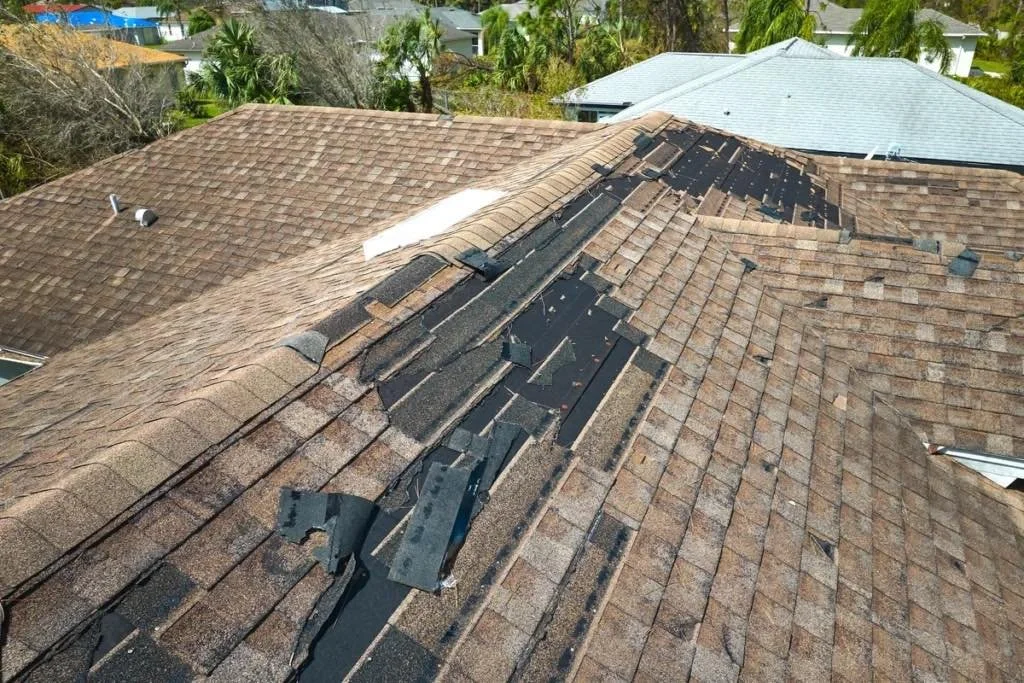
Minnesota is no stranger to severe weather. Every year, homeowners across the state face thunderstorms that bring damaging hail, high winds, and heavy rain. While these storms may only last a few minutes, the financial impact can last for years.
Today, the average hail claim in Minnesota has climbed to approximately $30,000, making hail one of the most expensive weather-related insurance claims homeowners face. Rising material costs, labor shortages, and increasingly severe storms have all contributed to higher claim values.
If your home has recently experienced a hailstorm, or if you're simply preparing for the next severe weather season—understanding how hail affects your roof can help you protect your investment and avoid costly repairs.
Why Are Hail Claims Increasing in Minnesota?
Several factors are driving the increase in the average hail claim in Minnesota.
More Severe Storms
Minnesota continues to experience powerful thunderstorms capable of producing large hail, damaging winds, and heavy rainfall. Even hailstones the size of quarters can damage asphalt shingles, siding, gutters, skylights, and windows.
The National Weather Service Storm Prediction Center tracks thousands of severe hail events each year across the Midwest, including many throughout Minnesota.
Rising Construction Costs
Roof replacement costs have increased significantly over the past several years due to:
Higher material prices
Increased labor costs
Supply chain disruptions
Inflation
Larger, more complex homes
According to the National Association of Home Builders (NAHB), building material costs remain one of the largest contributors to rising residential construction expenses.
Larger Homes Mean Larger Claims
Today's homes often feature:
Larger roof surfaces
Multiple roof elevations
Premium roofing materials
Additional exterior features
When hail damages more roofing material, gutters, siding, windows, and outdoor equipment, insurance claims naturally increase.
How Hail Damages Your Roof
Many homeowners assume hail damage is easy to spot.
Unfortunately, that's rarely the case.
While some damage is obvious, much of it isn't visible from the ground.
Common forms of hail damage include:
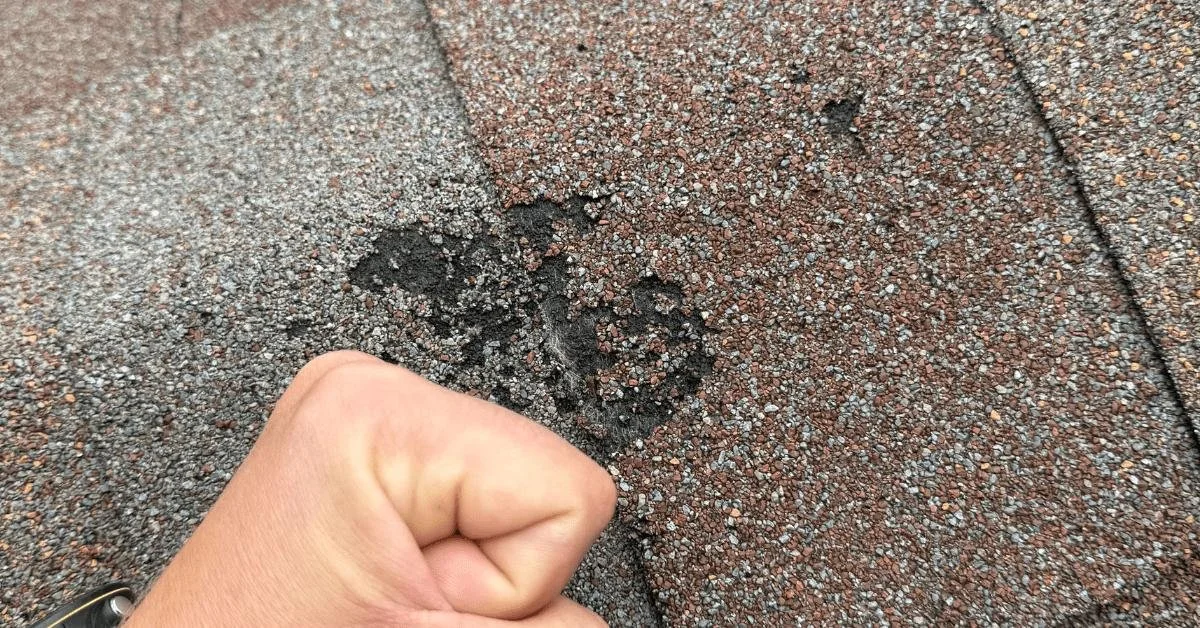
Granule loss
Bruised shingles
Cracked shingles
Split ridge cap shingles
Damaged flashing
Bent gutters
Broken roof vents
Damaged skylights
Even small impacts can weaken your roofing system, allowing water to penetrate over time.
Signs Your Roof May Have Hail Damage
After a storm, inspect your property for warning signs.
Outside the Home
Look for:
Dents in gutters
Damaged siding
Chipped paint
Broken window screens
Fallen tree limbs
Shingle granules in gutters
If these items show damage, your roof likely sustained impacts as well.
On the Roof
Professional inspectors often look for:
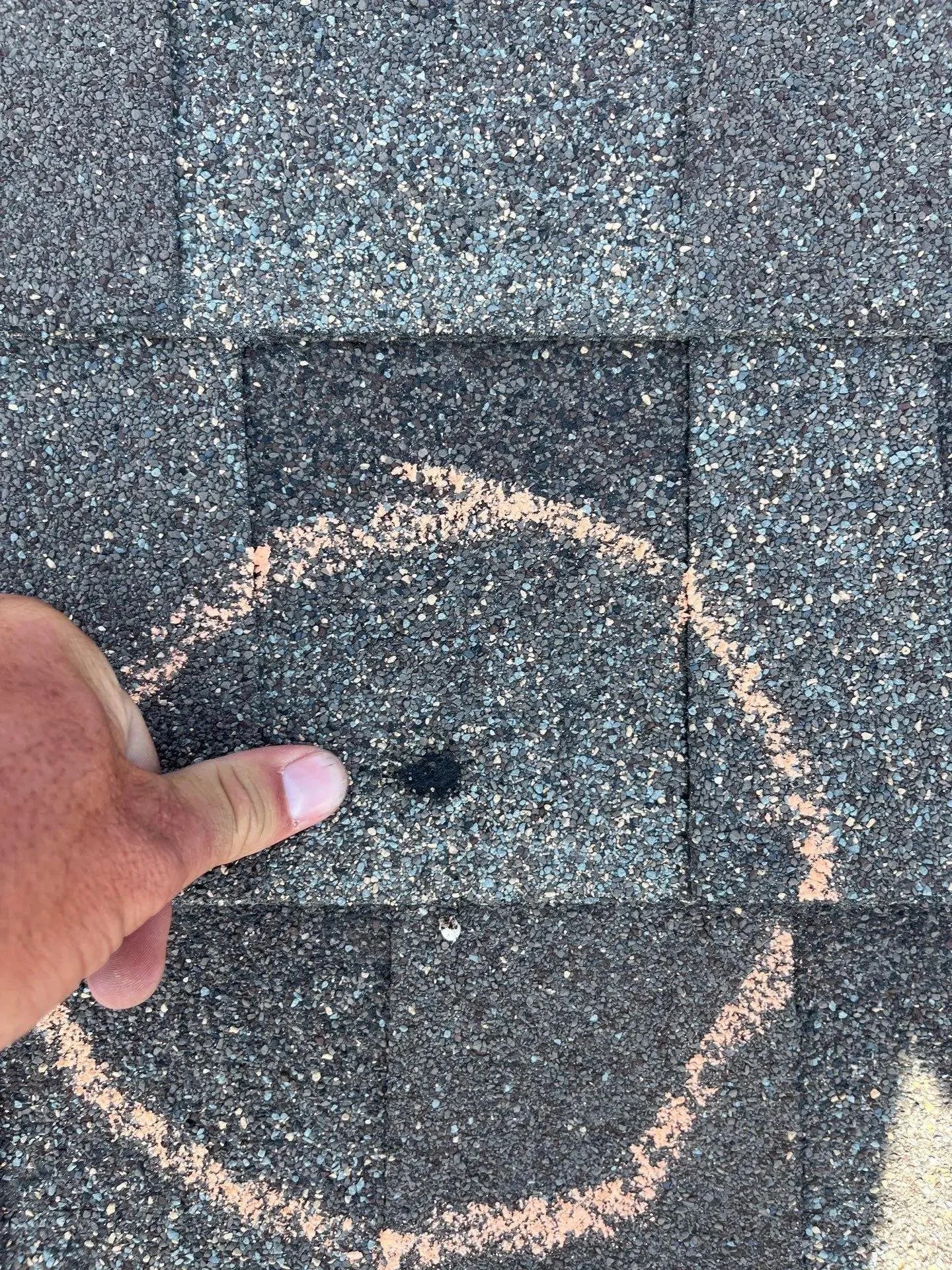
Circular bruises
Soft spots
Missing granules
Cracked shingles
Exposed fiberglass mats
Damaged ridge cap shingles
Because walking on a damaged roof can be dangerous, homeowners should avoid climbing onto the roof after a storm.
Why Small Hail Can Still Cause Big Problems
Many homeowners believe only golf-ball-sized hail causes damage.
That's not always true.
Factors affecting hail damage include:
Wind speed
Roof age
Shingle quality
Roof slope
Previous storm damage
Temperature
Older roofs are especially vulnerable because aging shingles become brittle over time.
What Happens If You Ignore Hail Damage?
Even minor damage can become much more expensive if left untreated.
Small cracks allow water to penetrate beneath shingles, eventually causing:
Roof leaks
Mold growth
Rotting roof decking
Damaged insulation
Ceiling stains
Interior drywall damage
Delaying repairs may also complicate future insurance claims if additional deterioration occurs.
Does Homeowners Insurance Cover Hail Damage?
In many cases, yes.
Most standard homeowners insurance policies cover sudden storm damage, including hail.
Coverage typically includes:
Roof repairs
Roof replacement
Gutters
Siding
Windows
Exterior structures
However, coverage varies by policy, deductible, and insurer.
The Insurance Information Institute (Triple-I) offers helpful resources explaining homeowners’ insurance coverage for wind and hail damage.
What Should You Do After a Hailstorm?
If your neighborhood experiences a severe hailstorm, taking quick action can help protect both your home and your insurance claim.
1. Document the Storm
Take photos of:
Hailstones
Damaged landscaping
Dents
Broken windows
Exterior damage
These photos may help support your insurance claim.
2. Schedule a Professional Roof Inspection
Not all hail damage is visible.
An experienced roofing contractor can safely inspect:
Shingles
Flashing
Ridge caps
Roof vents
Skylights
Gutters
Many roofing issues require close inspection before they become obvious.
3. Contact Your Insurance Company
If damage is confirmed, notify your insurance carrier promptly.
They may schedule an adjuster to inspect the property before approving repairs.
4. Complete Repairs Promptly
Waiting too long can allow water intrusion to create additional damage that may not be covered under your policy.
Prompt repairs help preserve your home's structural integrity.
How Much Does Roof Hail Damage Cost?
Repair costs vary depending on:
Roof size
Roofing material
Damage severity
Labor costs
Local building codes
Minor repairs may involve replacing a few shingles.
More significant storms can require complete roof replacement.
As construction costs continue rising, it's not surprising that the average hail claim in Minnesota now approaches $30,000.
Can Hail Damage Shorten Roof Life?
Absolutely.
Even when leaks don't appear immediately, hail weakens roofing materials.
Repeated impacts can accelerate:
Granule loss
UV deterioration
Cracking
Curling
Water infiltration
Without repairs, your roof's lifespan may be reduced by several years.
The National Roofing Contractors Association (NRCA) recommends routine inspections following severe weather events to identify hidden roofing damage before it worsens.
How Often Should Minnesota Homeowners Inspect Their Roof?
Roofing professionals recommend inspections:
After major hailstorms
Following high-wind events
Each spring
Each fall
Before listing a home for sale
Routine inspections help identify damage before costly leaks develop.
Can You Prevent Hail Damage?
While no roof is completely hail-proof, homeowners can reduce risk by:
Installing impact-resistant shingles
Maintaining gutters
Trimming overhanging branches
Replacing aging roofing materials
Scheduling routine inspections
The Insurance Institute for Business & Home Safety (IBHS) recommends impact-rated roofing products in hail-prone regions because they can better withstand severe weather.
Choosing the Right Roofing Contractor After a Storm
Unfortunately, severe storms often attract out-of-town contractors offering quick repairs.
Before hiring a roofing company:
Verify licensing and insurance.
Ask for local references.
Review warranties.
Confirm experience with insurance claims.
Avoid high-pressure sales tactics.
Working with an established local contractor helps ensure quality workmanship and ongoing support.
Protect Your Home Before the Next Storm
With the average hail claim in Minnesota now reaching approximately $30,000, protecting your roof has never been more important.
A professional inspection after every major hailstorm can uncover hidden damage before it becomes a costly repair. Whether your roof needs minor repairs or a complete replacement, acting quickly can help preserve your home's value and simplify the insurance claims process.
Schedule a Professional Roof Inspection with Elevate Roofing Solutions
At Elevate Roofing Solutions, we help homeowners throughout Southern Minnesota recover from hail and storm damage with comprehensive roof inspections, insurance claim assistance, expert repairs, and full roof replacements. Our experienced team understands Minnesota's challenging weather conditions and is committed to protecting your home with quality craftsmanship and dependable service.
If your property has recently been impacted by hail or severe weather, contact Elevate Roofing Solutions today to schedule a professional roof inspection and gain peace of mind before the next storm arrives.