
Your roof does much more than keep rain and snow out of your home. It also plays a critical role in regulating indoor temperatures, improving energy efficiency, and protecting your home from moisture damage. One of the most important components of your roofing system is the insulation beneath it.
Over time, insulation can become damaged, compressed, or less effective. When that happens, your home may become less comfortable, your energy bills may increase, and your roof could become more vulnerable to moisture problems. Knowing the signs that it's time for a roof insulation replacement can help you address issues before they lead to costly repairs.
In this guide, we'll cover the most common signs your home needs new roof insulation, explain the benefits of replacing old insulation, and help you understand when it's time to call a roofing professional.
What Is Roof Insulation?
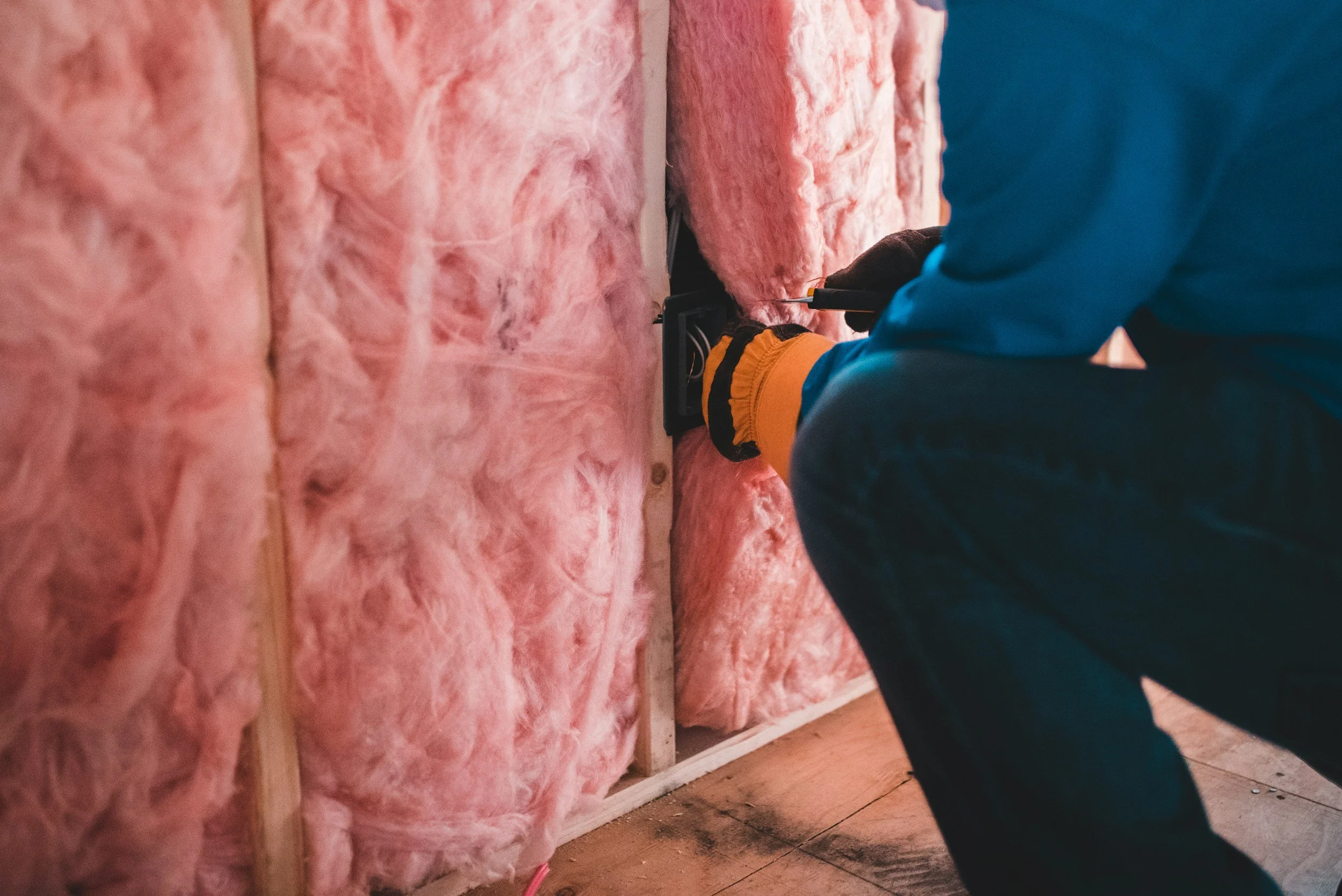
Roof insulation is the material installed beneath your roof or in your attic that slows the transfer of heat between your home and the outdoors. Proper insulation helps keep warm air inside during the winter and blocks excessive heat during the summer.
Common insulation materials include:
Fiberglass batts
Blown-in cellulose
Spray foam insulation
Rigid foam board
Mineral wool
According to the U.S. Department of Energy, proper insulation is one of the most effective ways to improve energy efficiency and lower heating and cooling costs.
Why Roof Insulation Matters
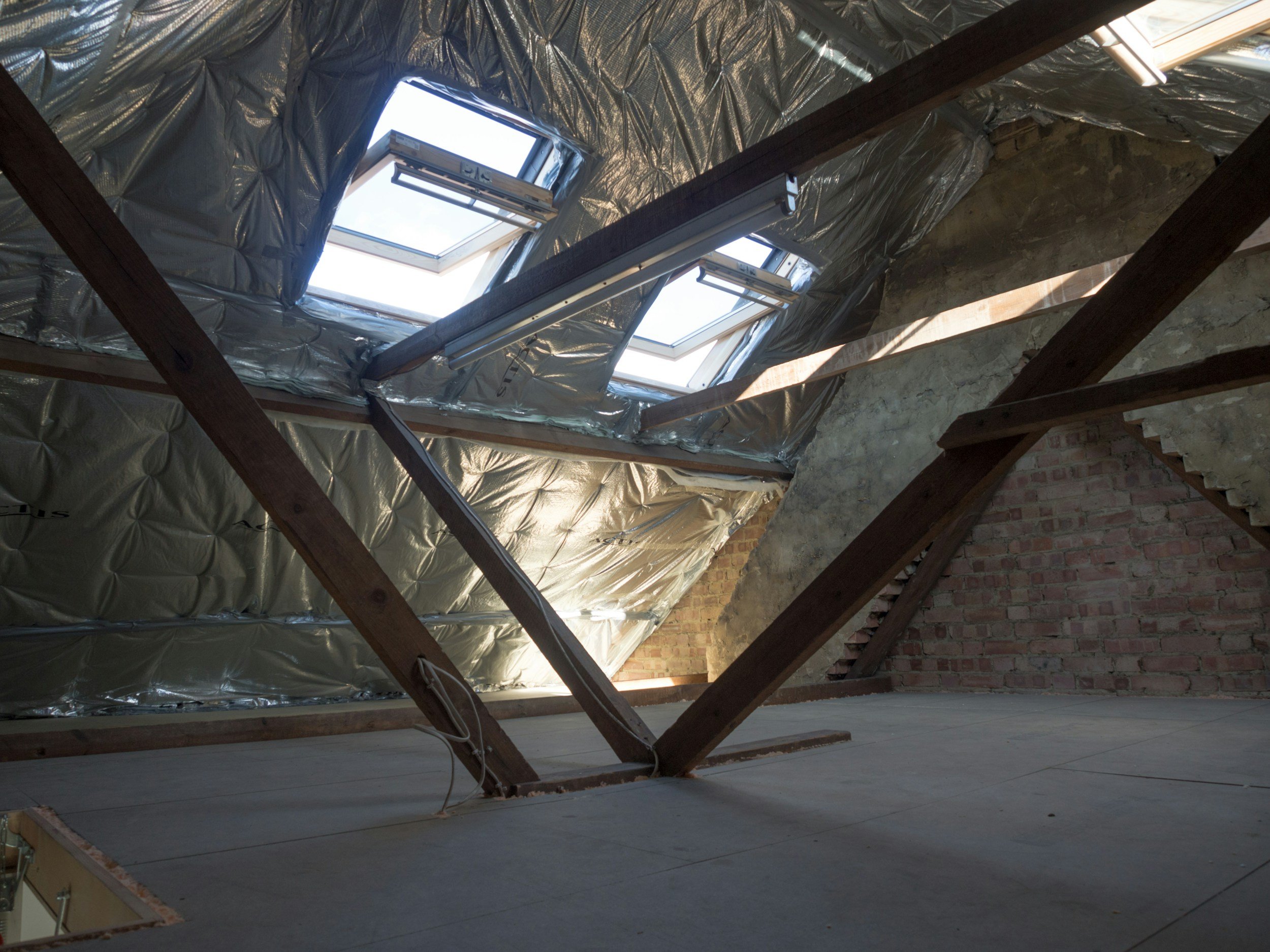
Your roof insulation works together with ventilation and roofing materials to create a complete roofing system.
Proper insulation helps:
Lower energy bills
Maintain consistent indoor temperatures
Reduce HVAC strain
Improve indoor comfort
Prevent moisture buildup
Reduce the risk of ice dams
Extend the life of your roofing system
When insulation begins to fail, these benefits quickly diminish.
1. Your Energy Bills Keep Increasing
One of the first signs you may need a roof insulation replacement is rising heating and cooling costs.
When insulation loses its effectiveness, your HVAC system has to work harder to maintain comfortable indoor temperatures. This increased workload often results in higher monthly utility bills.
If you've noticed your energy costs climbing without a significant change in usage, aging roof insulation may be to blame.
2. Uneven Temperatures Throughout Your Home
Does one room always feel colder than the rest of the house in winter?
Is your upstairs unbearably hot during the summer?
Uneven indoor temperatures often indicate that insulation is no longer performing effectively.
Poor insulation allows conditioned air to escape while outside temperatures easily penetrate your home's roofing system.
3. Ice Dams Form Every Winter
Ice dams are a common problem for Minnesota homeowners.
They occur when heat escapes through the roof, melting snow unevenly. As the melted snow refreezes near the roof edge, ice dams form and prevent proper drainage.
This can lead to:
Roof leaks
Damaged shingles
Water intrusion
Interior ceiling damage
The U.S. Department of Energy's guide to preventing ice dams explains how proper insulation and ventilation help reduce ice dam formation.
If your home experiences recurring ice dams, your insulation may need to be evaluated.
4. Your Attic Feels Extremely Hot or Cold
Your attic shouldn't experience dramatic temperature swings.
If it becomes excessively hot during the summer or unusually warm during the winter, your insulation may no longer be performing effectively.
Proper insulation helps stabilize attic temperatures while working alongside roof ventilation.
A roofing contractor can evaluate both systems during an inspection.
5. Water Damage or Moisture in the Attic
Moisture is one of the biggest enemies of insulation.
Roof leaks, condensation, or poor ventilation can saturate insulation, dramatically reducing its effectiveness.
Warning signs include:
Damp insulation
Water stains
Mold growth
Musty odors
Wet roof decking
Once insulation becomes saturated, replacement is often the best solution.
6. Mold or Mildew Growth
Moisture trapped within insulation creates the perfect environment for mold.
Signs include:
Black spots
White mold growth
Persistent musty smells
Allergy symptoms
In addition to damaging your home, mold can negatively impact indoor air quality.
If mold is found, both the moisture source and damaged insulation should be addressed.
The U.S. Environmental Protection Agency (EPA) Mold Guide provides additional information about identifying and preventing mold in homes.
7. Your Insulation Is More Than 20 Years Old
Even if it appears intact, insulation loses effectiveness over time.
Older insulation may become:
Compressed
Settled
Contaminated
Less energy efficient
If your home is over 20 years old and has never had its insulation evaluated, a professional inspection may be worthwhile.
Benefits of Roof Insulation Replacement
Replacing worn or damaged insulation offers several long-term advantages.
Lower Utility Bills
Improved insulation helps reduce heating and cooling costs throughout the year.
Better Indoor Comfort
You'll experience more consistent temperatures throughout your home.
Improved Energy Efficiency
Less heat loss means your HVAC system operates more efficiently.
Reduced Moisture Problems
Proper insulation works with ventilation to minimize condensation and moisture buildup.
Longer Roof Life
By reducing temperature extremes and moisture issues, new insulation helps protect your roofing system.
What Happens During a Roof Insulation Replacement?
Every home is different, but the process typically includes:
Roof and attic inspection
Removal of damaged insulation (if necessary)
Identification of moisture issues
Air sealing gaps and penetrations
Installation of new insulation
Inspection of roof ventilation
Combining insulation upgrades with proper ventilation provides the best long-term performance.
Should You Replace Roof Insulation During a Roof Replacement?
In many cases, yes.
A roof replacement provides excellent access to inspect:
Insulation condition
Roof decking
Ventilation
Moisture damage
Replacing insulation during major roofing work can improve efficiency while avoiding future labor costs.
Choosing the Right Insulation
The best insulation depends on:
Home design
Roof structure
Climate
Budget
Energy goals
A roofing professional can recommend the most appropriate insulation material based on your home's needs.
Protect Your Home with Proper Roof Insulation
Your roof insulation plays a vital role in protecting your home, improving comfort, and lowering energy costs. If you've noticed rising utility bills, uneven temperatures, recurring ice dams, attic moisture, or aging insulation, it may be time to consider a roof insulation replacement.
Replacing worn insulation not only improves energy efficiency but also helps protect your roofing system from moisture damage and extends its overall lifespan.
Schedule a Roof Inspection with Elevate Roofing Solutions
At Elevate Roofing Solutions, we help homeowners throughout Southern Minnesota identify roofing and insulation issues before they become costly problems. Whether you're planning a roof replacement or simply want to improve your home's energy efficiency, our experienced team can inspect your roofing system and recommend the right solution.
Contact Elevate Roofing Solutions today to schedule a professional roof inspection and learn whether a roof insulation replacement can help protect your home, lower your energy bills, and improve year-round comfort.