
Emergency Roof Repair: How to Minimize Damage After a Leak
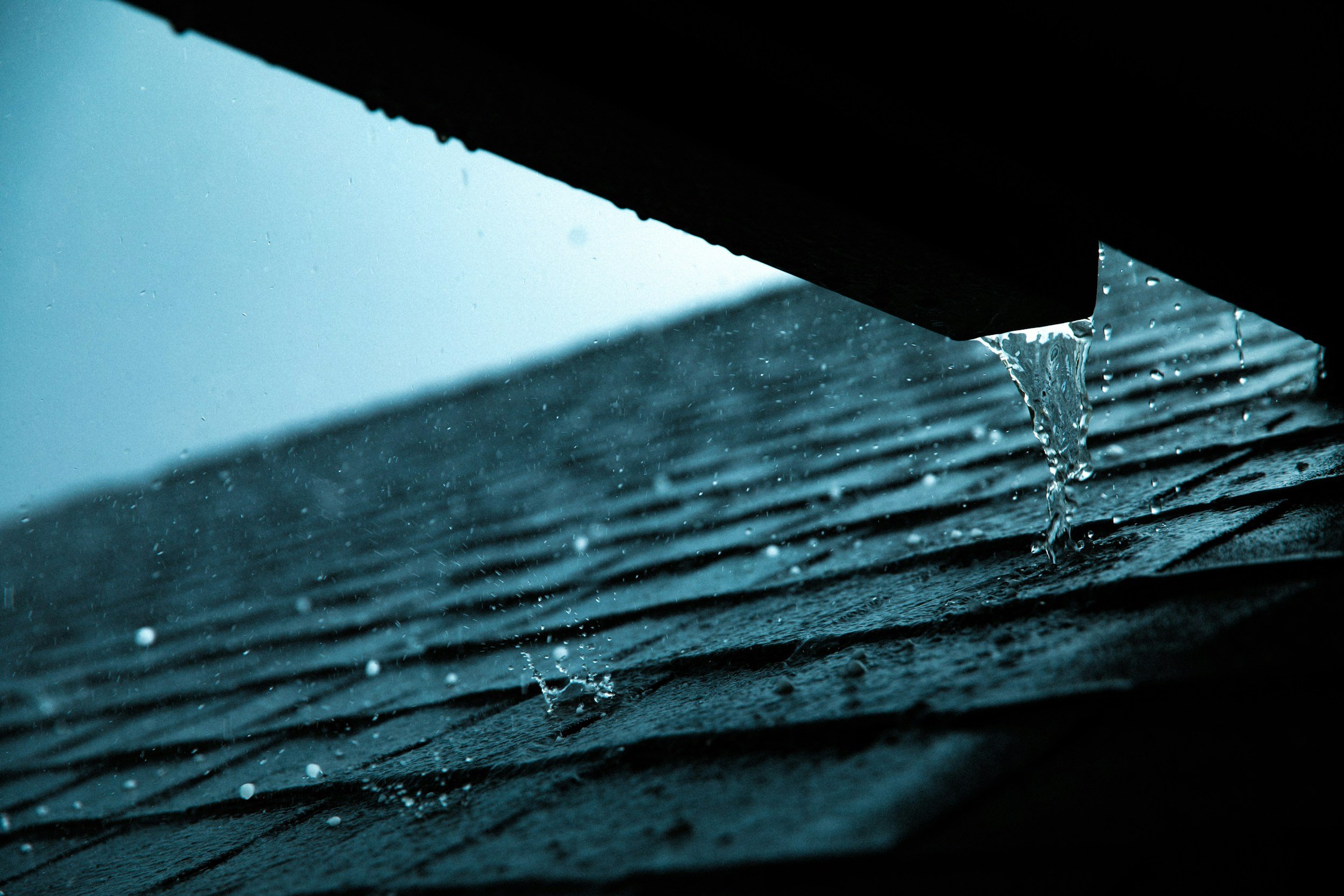
A roof leak can happen when you least expect it. Whether it's caused by severe weather, aging shingles, falling tree limbs, or flashing failure, water entering your home can quickly lead to expensive damage if it's not addressed right away.
While permanent repairs should always be handled by a qualified roofing contractor, there are several important steps homeowners can take to minimize damage until professional help arrives. Acting quickly can protect your home's structure, reduce repair costs, and prevent additional issues like mold growth.
In this guide, we'll explain what to do when you discover a roof leak, how to safely perform temporary emergency measures, and when it's time to call an experienced roofing contractor.
What Qualifies as an Emergency Roof Repair?
An emergency roof repair is any situation where your roof has been damaged enough to allow water into your home or expose the structure to the elements.
Common emergencies include:
Active roof leaks
Missing shingles after high winds
Hail damage
Fallen tree limbs
Torn flashing
Roof punctures
Storm-related structural damage
If left untreated, even a small leak can become a much larger problem.
According to the Federal Emergency Management Agency (FEMA), homeowners should take immediate action to limit further damage after severe weather while arranging professional repairs.
Step 1: Stay Safe First
Your safety should always come before protecting your roof.
Never:
Climb onto a wet roof
Walk on damaged roofing materials
Attempt repairs during lightning, high winds, or heavy rain
Enter areas where ceilings appear ready to collapse
If water is entering your electrical system, shut off power to the affected area if it can be done safely and contact your utility company if necessary.
Step 2: Contain the Water Inside
Your first goal is limiting interior damage.
Use:
Buckets
Plastic storage containers
Towels
Waterproof tarps
Mops
If your ceiling begins bulging from trapped water, carefully puncturing the center with a small screwdriver (while catching the water in a bucket) can sometimes prevent a much larger ceiling collapse.
This temporary measure helps relieve pressure while minimizing drywall damage.
Step 3: Move Valuables Out of the Way
Water spreads quickly.
Protect:
Furniture
Electronics
Rugs
Family heirlooms
Important documents
Artwork
If items cannot be moved, cover them with plastic sheeting or tarps until repairs are made.
Step 4: Locate the Source of the Leak
The visible drip isn't always where the roof failed.
Water often travels along:
Roof decking
Rafters
Insulation
Ceiling joists
Signs include:
Water stains
Damp insulation
Mold growth
Dark wood
Wet drywall
A professional roofing inspection can determine the true source of the leak.
Step 5: Perform Temporary Emergency Protection
If weather conditions are safe—and only if it can be done safely—you may be able to reduce additional water intrusion until professional repairs are completed.
Temporary solutions include:
Covering the damaged area with a heavy-duty tarp
Securing loose shingles from the ground if possible
Removing small debris blocking water flow
Keeping gutters clear so water drains properly
Never attempt major roof repairs yourself.
Temporary measures are meant only to reduce further damage.
Step 6: Document the Damage
Before cleanup begins, take photos and videos of:
Interior water damage
Ceiling stains
Wet flooring
Damaged belongings
Roof damage (from the ground if possible)
Documentation can help support insurance claims if the damage was caused by storms or other covered events.
The Insurance Information Institute recommends documenting damage thoroughly before making temporary repairs whenever it is safe to do so.
Step 7: Contact a Professional Roofing Contractor
The sooner a roofing professional inspects your roof, the sooner permanent repairs can begin.
An experienced contractor will evaluate:
Shingles
Flashing
Roof decking
Ventilation
Underlayment
Structural damage
Moisture intrusion
Professional repairs address the root cause—not just the visible leak.
Common Causes of Roof Leaks
Understanding why leaks happen can help prevent future emergencies.
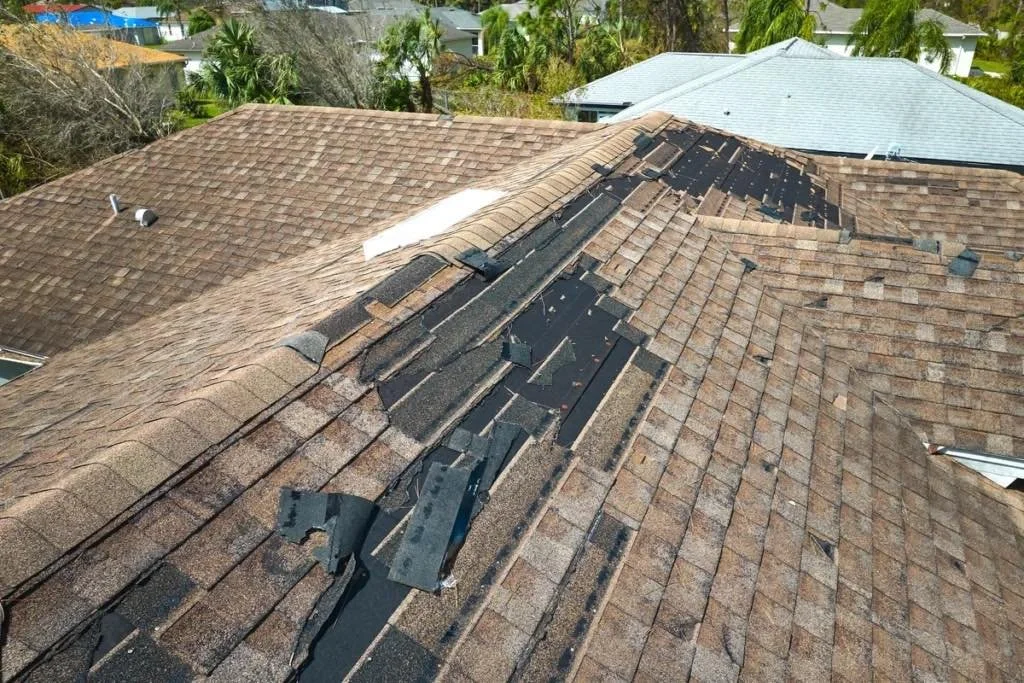
Storm Damage
High winds can:
Lift shingles
Tear flashing
Expose underlayment
Hail may crack shingles and create entry points for water.
The National Weather Service offers storm safety information and severe weather resources that can help homeowners prepare for damaging weather.
Aging Roofing Materials
Most asphalt shingles last between 20–30 years.
As roofing materials age, they become:
Brittle
Cracked
Curled
Less weather resistant
Routine inspections help identify aging materials before leaks develop.
Damaged Flashing
Flashing seals vulnerable areas around:
Chimneys
Skylights
Roof valleys
Plumbing vents
Dormers
If flashing pulls away or corrodes, water can enter quickly.
Clogged Gutters
Overflowing gutters force water underneath shingles and behind fascia boards.
Keeping gutters clean is one of the easiest ways to protect your roof.
Ice Dams
Minnesota homeowners frequently experience ice dams during winter.
Poor insulation and ventilation allow heat to escape, melting snow that later refreezes near the roof edge.
This trapped water often works its way beneath shingles.
The U.S. Department of Energy's guide to preventing ice dams explains how proper insulation and ventilation help reduce this risk.
What Not to Do During an Emergency Roof Repair
Many homeowners unintentionally make the problem worse.
Avoid:
Walking on a damaged roof
Using caulk as a permanent repair
Ignoring small leaks
Waiting until the next storm
Covering wet insulation without drying it
Delaying professional inspections
Small leaks rarely stay small.
Can Emergency Roof Repairs Be Covered by Insurance?
Many homeowner insurance policies cover sudden, accidental roof damage caused by events such as:
Windstorms
Hail
Falling trees
Lightning
Certain storm events
Damage resulting from neglect or lack of maintenance is often excluded.
Your roofing contractor can provide inspection reports and documentation that may assist during the claims process, but always work directly with your insurance provider to understand your specific coverage.
Preventing Future Roof Emergencies
Routine maintenance greatly reduces the likelihood of emergency repairs.
Consider:
Annual roof inspections
Cleaning gutters each spring and fall
Trimming overhanging tree branches
Replacing damaged shingles promptly
Checking attic ventilation
Monitoring attic insulation
Inspecting flashing after major storms
Preventive maintenance is significantly less expensive than emergency repairs and can extend the life of your roof.
Don't Wait to Address a Roof Leak
A leaking roof is more than an inconvenience—it can threaten your home's structure, damage valuable belongings, and create long-term moisture problems if left unresolved. Acting quickly by containing the leak, documenting the damage, and contacting a trusted roofing contractor can help minimize repair costs and protect your home.
If you've experienced storm damage or discovered a roof leak, don't delay. Even a small amount of water intrusion can lead to larger structural issues over time.
Contact Elevate Roofing Solutions for Emergency Roof Repair
At Elevate Roofing Solutions, we provide prompt, professional emergency roof repair services for homeowners throughout Southern Minnesota. Our experienced team will inspect your roof, identify the source of the leak, recommend the best repair solution, and help restore your home's protection as quickly as possible.
Contact Elevate Roofing Solutions today to schedule an inspection and get the trusted roofing expertise you need when it matters most.