
Ring Shank vs. Smooth Shank Roofing Nails: Which Is Better?
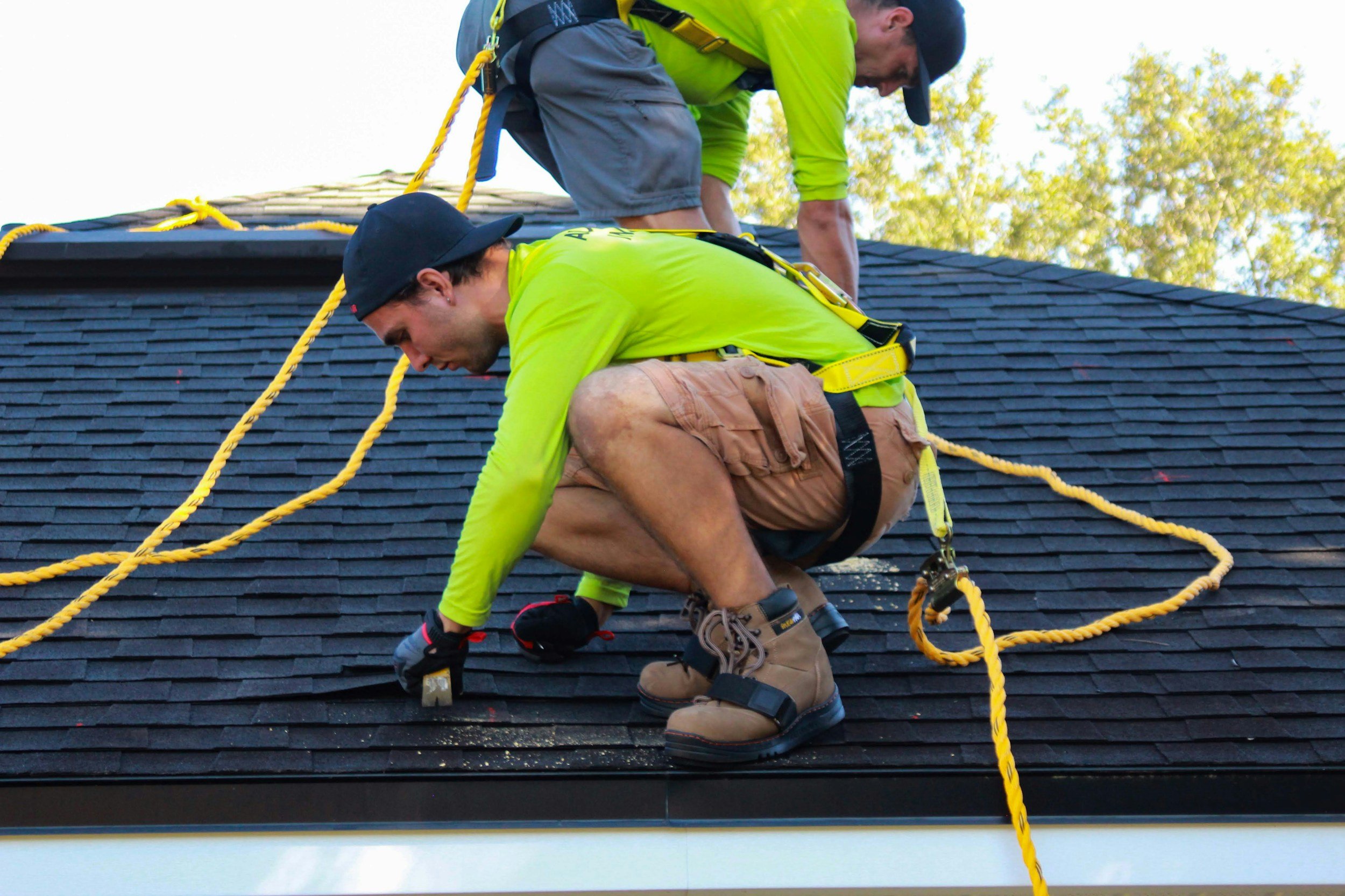
When replacing or installing a new roof, most homeowners focus on shingles, underlayment, or color choices. However, one of the most important components of a durable roofing system is often hidden beneath the shingles: the roofing nails.
Choosing between ring shank roofing nails and smooth shank roofing nails can significantly impact your roof's long-term performance, especially in areas prone to strong winds, heavy rain, hail, or freeze-thaw cycles. While both types of nails are designed to secure roofing materials, they perform differently under stress.
At Elevate Roofing Solutions, we know that every detail matters when building a roof that lasts. Here's everything homeowners should know about ring shank roofing nails, how they compare to smooth shank nails, and which option may be best for your roofing project.
What Are Ring Shank Roofing Nails?
Ring shank roofing nails feature small circular ridges or rings around the nail shaft. These ridges grip the wood decking much more aggressively than a smooth nail, making the fastener significantly more resistant to pulling out over time.
The rings create additional friction as the nail is driven into the roof deck, resulting in a stronger mechanical connection between the roofing material and the structure below.
Because of their superior holding power, ring shank nails are commonly used in:
Asphalt shingle roofs
High-wind regions
Hurricane-prone areas
New roof installations
Roof replacements
Structural wood applications
According to the International Code Council (ICC), roofing fasteners must meet specific code requirements for secure attachment based on roof design and local wind loads. Understanding these requirements helps ensure roofs perform safely over time. Learn more from the International Code Council: https://www.iccsafe.org/
What Are Smooth Shank Roofing Nails?
Smooth shank roofing nails have a straight, smooth shaft without ridges.
They are easier to install and generally cost less than ring shank nails. Because there is less friction during installation, they can often be driven slightly faster.
Smooth shank nails have traditionally been used for many residential roofing projects and continue to perform well when installed correctly under appropriate conditions.
However, because they rely primarily on friction rather than mechanical grip, they may be more susceptible to loosening over many years as wood expands and contracts with changing moisture levels.
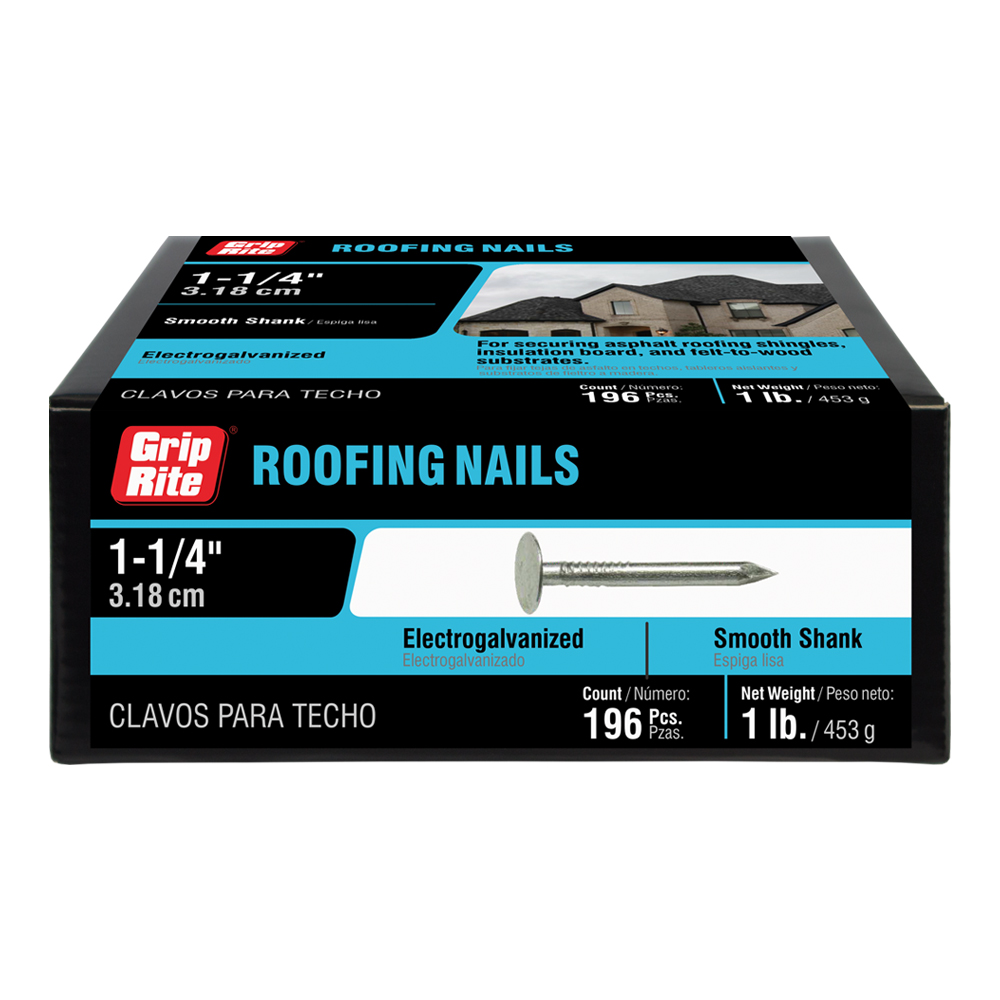
Ring Shank Roofing Nails vs. Smooth Shank Nails
Understanding the differences helps explain why many contractors prefer ring shank nails for demanding roofing applications.
| Feature | Ring Shank Roofing Nails | Smooth Shank Roofing Nails |
|---|---|---|
| Holding Strength | Excellent | Good |
| Pull-Out Resistance | Very High | Moderate |
| Wind Performance | Excellent | Good |
| Installation Speed | Slightly Slower | Faster |
| Long-Term Durability | Excellent | Good |
| Cost | Slightly Higher | Lower |
While smooth shank nails remain suitable for many projects, ring shank roofing nails offer additional security where stronger fastening is beneficial.
Why Holding Power Matters
Your roof experiences constant stress.
Every season brings changing temperatures, moisture, wind, snow, hail, and sunlight.
Over time, these forces place repeated pressure on roofing materials.
If fasteners begin loosening, shingles may become vulnerable to wind uplift, allowing moisture to enter beneath the roofing system.
Ring shank roofing nails help reduce this risk because the ridges lock into the wood decking much more securely.
According to the National Roofing Contractors Association (NRCA), proper fastening is one of the most important factors affecting roof performance and longevity. Learn more at:
Benefits of Ring Shank Roofing Nails
Superior Wind Resistance
One of the biggest advantages of ring shank roofing nails is their exceptional resistance to wind uplift.
High winds create upward pressure on shingles.
Because ring shank nails grip the decking more aggressively, shingles remain more securely attached during severe weather.
This makes them particularly valuable in regions that experience:
Severe thunderstorms
Straight-line winds
Tornado activity
Hurricanes
Heavy storms
Improved Pull-Out Strength
Wood naturally expands and contracts throughout the year.
Repeated movement can gradually loosen smooth nails.
Ring shank nails resist this movement much better, helping maintain long-term fastening strength.
Better Long-Term Performance
Although both nail types can provide many years of service when properly installed, ring shank nails often maintain their holding strength longer because of their mechanical grip.
This added durability may reduce maintenance concerns over the life of the roof.
Better Protection During Severe Weather
Strong fastening becomes especially important during hailstorms and wind events.
Roof systems work together.
Shingles, underlayment, flashing, ventilation, and fasteners all contribute to protecting the structure.
Using higher-performing fasteners helps strengthen the overall roofing system.
Are Ring Shank Roofing Nails Required?
Requirements vary depending on:
Local building codes
Wind exposure
Roofing manufacturer specifications
Roof design
Geographic location
Some roofing manufacturers specifically recommend or require certain fasteners to maintain warranty coverage.
Always follow manufacturer installation instructions.
The Asphalt Roofing Manufacturers Association (ARMA) provides valuable technical resources regarding proper asphalt roofing installation and fastening methods.
https://www.asphaltroofing.org/
When Smooth Shank Roofing Nails May Still Be Appropriate
Smooth shank nails are not "bad."
They continue to be used successfully on many residential roofing projects.
When properly installed according to manufacturer specifications and local code requirements, they can provide dependable performance.
However, homeowners seeking maximum durability often choose ring shank roofing nails because of their increased holding strength.
Installation Matters More Than the Nail Alone
Even the highest-quality fastener cannot compensate for poor installation.
Roofing nails should always be:
Installed straight
Driven flush with the shingle
Not overdriven
Not underdriven
Properly spaced
Installed according to manufacturer requirements
Improper nailing remains one of the most common causes of premature roof failure.
Experienced roofing professionals understand how nail placement affects both warranty coverage and long-term roof performance.
Choosing the Right Nail Material
Whether selecting ring shank or smooth shank nails, material also matters.
Most quality roofing systems use corrosion-resistant fasteners such as:
Hot-dipped galvanized steel
Electro-galvanized steel
Stainless steel (special applications)
These coatings help prevent rust and corrosion while extending fastener life.
How Ring Shank Roofing Nails Help Prevent Nail Pops
One common roofing issue is "nail pops."
This occurs when roofing nails gradually work their way upward through the shingles.
Causes include:
Wood movement
Moisture changes
Improper installation
Temperature fluctuations
Because ring shank nails grip the decking more securely, they may reduce the likelihood of nails backing out over time.
Cost vs. Long-Term Value
Ring shank roofing nails typically cost slightly more than smooth shank nails.
However, the difference is minimal compared to the total investment in a new roof.
Considering the potential improvement in holding strength and wind resistance, many homeowners view the additional cost as worthwhile.
A roof represents one of the largest investments in a home.
Using quality materials—including fasteners—helps protect that investment.
Why Professional Installation Makes the Difference
Fasteners are only one part of a complete roofing system.
Successful roof installations require expertise in:
Roof decking evaluation
Underlayment installation
Flashing
Ventilation
Shingle alignment
Fastener selection
Manufacturer specifications
Local building codes
Working with an experienced roofing contractor ensures every component is installed correctly.
Which Roofing Nail Is Better?
For many modern roofing systems, ring shank roofing nails provide greater holding power, improved pull-out resistance, and better long-term performance than smooth shank roofing nails.
While smooth shank nails continue to have appropriate applications, homeowners looking for added durability—especially in areas that experience strong winds or severe weather—often benefit from the enhanced performance of ring shank fasteners.
Ultimately, the best roofing system combines quality materials with expert installation.
Trust Elevate Roofing Solutions for Quality Roof Installations
At Elevate Roofing Solutions, we believe every component of your roofing system matters—from the shingles you see to the fasteners you don't.
Our experienced team follows manufacturer installation guidelines, local building codes, and industry best practices to ensure every roof is built for long-term performance and protection.
Whether you need a roof inspection, storm damage repair, or a complete roof replacement, we're here to help you make informed decisions that protect your home and your investment.
Contact Elevate Roofing Solutions today to schedule your free roof inspection and discover how quality craftsmanship and the right materials can make all the difference.