
When Should You Replace Your Roof in Southern MN?
Your roof takes a beating in Southern Minnesota. Between heavy snow, ice, hail, high winds, summer storms, and dramatic temperature swings, roofing materials have to withstand challenging conditions.
But how do you know when normal wear has crossed the line, and it’s time for a roof replacement in Southern Minnesota?
Waiting too long can lead to leaks, damaged insulation, deteriorated roof decking, mold, and expensive interior repairs. Replacing a roof too early, however, can mean spending money when targeted repairs could have added several more years of useful life.
Understanding your roof’s age, condition, storm history, and warning signs can help you make a more informed decision. Here are the biggest indicators Southern Minnesota homeowners should watch for.
How Long Does a Roof Last in Southern Minnesota?
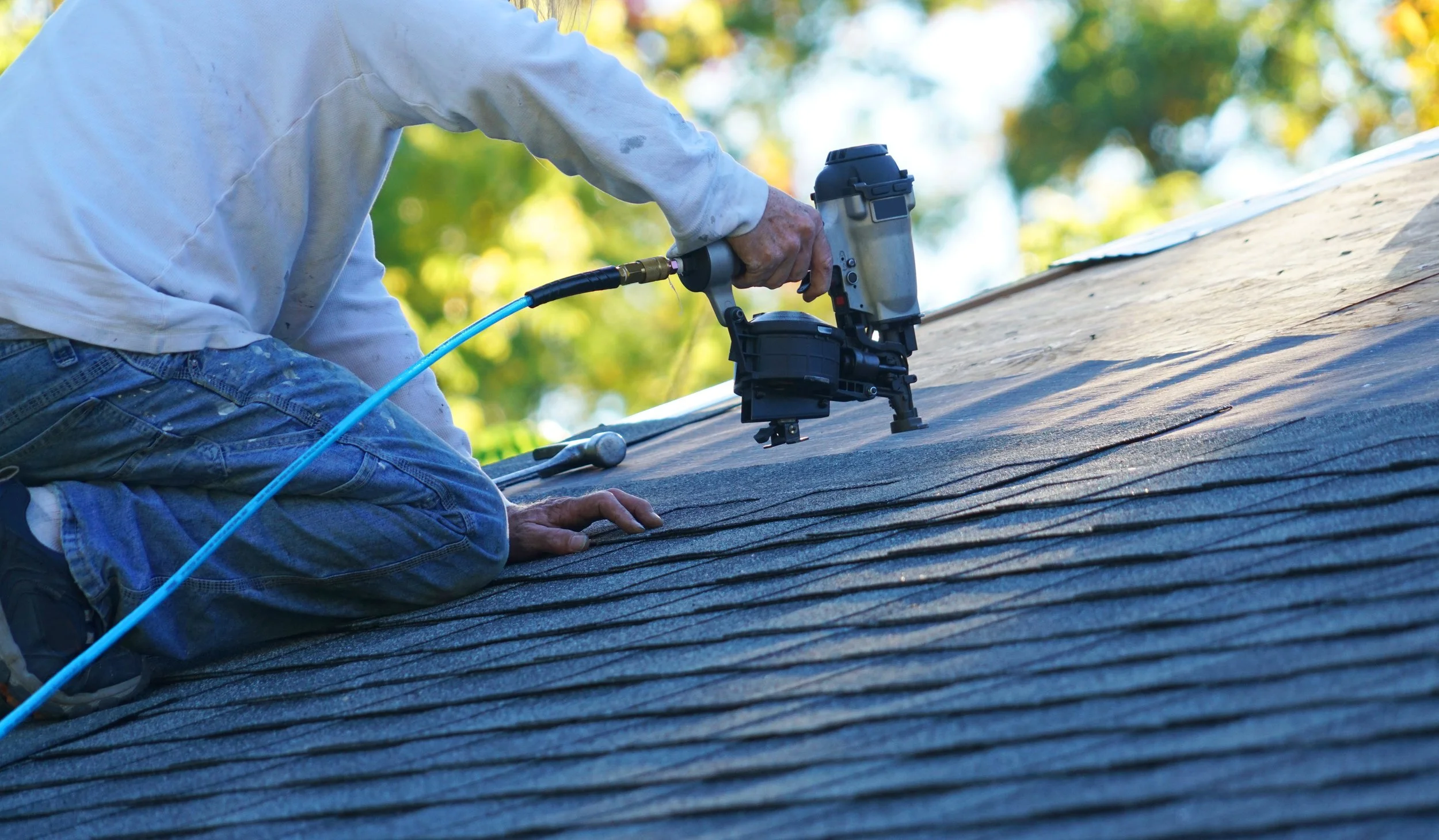
There isn’t one expiration date that applies to every roof. Lifespan depends on the roofing material, quality of installation, ventilation, maintenance, and exposure to severe weather.
Asphalt shingles, which are common throughout Minnesota, can often provide decades of service when properly installed and maintained. However, repeated hailstorms, strong winds, ice dams, and freeze-thaw cycles can shorten that lifespan.
Your roof’s age should therefore be treated as one factor—not the only factor—in deciding whether replacement is necessary.
If your asphalt roof is approaching 20 years old, it’s smart to begin scheduling regular professional inspections, even if you haven’t noticed an active leak. The Insurance Information Institute notes that roof age and condition can also influence how insurance companies evaluate a property and its coverage.
1. Your Roof Is Approaching the End of Its Lifespan
Do you know when your roof was installed?
If not, finding out is a good first step. Look through home improvement records, inspection documents, permits, or information provided when you purchased your home.
An older roof doesn’t automatically need replacement, but age combined with visible deterioration is a strong reason to schedule an inspection.
Watch especially closely if your roof has experienced multiple major storms throughout its life.
2. Shingles Are Curling, Cracking, or Buckling
Your shingles should lie relatively flat against the roof.
As they deteriorate, you may begin noticing:
Curled edges
Cracked shingles
Buckling
Blistering
Brittle shingles
Uneven surfaces
These problems can develop because of age, heat exposure, moisture, improper ventilation, or severe weather.
A few damaged shingles may be repairable. If deterioration appears throughout large portions of the roof, replacement may provide better long-term value.
3. You're Finding Shingle Granules in Your Gutters
Those small granules covering asphalt shingles aren't decorative. They help protect the asphalt from sunlight and weather exposure.
Some granule loss is normal, especially after installation. Excessive loss from an aging roof is different.
Check your gutters and downspouts for significant amounts of loose granules. You may also notice darker or "bald" patches across your shingles where granules have worn away.
Widespread granule loss is an indication that your roofing system should be professionally evaluated.
4. You Have Missing Shingles
Southern Minnesota's strong winds and severe thunderstorms can lift or completely remove shingles.
A missing shingle creates a vulnerable area where water can reach the materials underneath.
One or two missing shingles after a storm may require only a repair. However, repeated shingle loss or widespread wind damage can indicate a larger roofing problem.
After significant storms, inspect your property from the ground and look for shingles or pieces of roofing material in the yard.
5. Your Roof Has Hail Damage
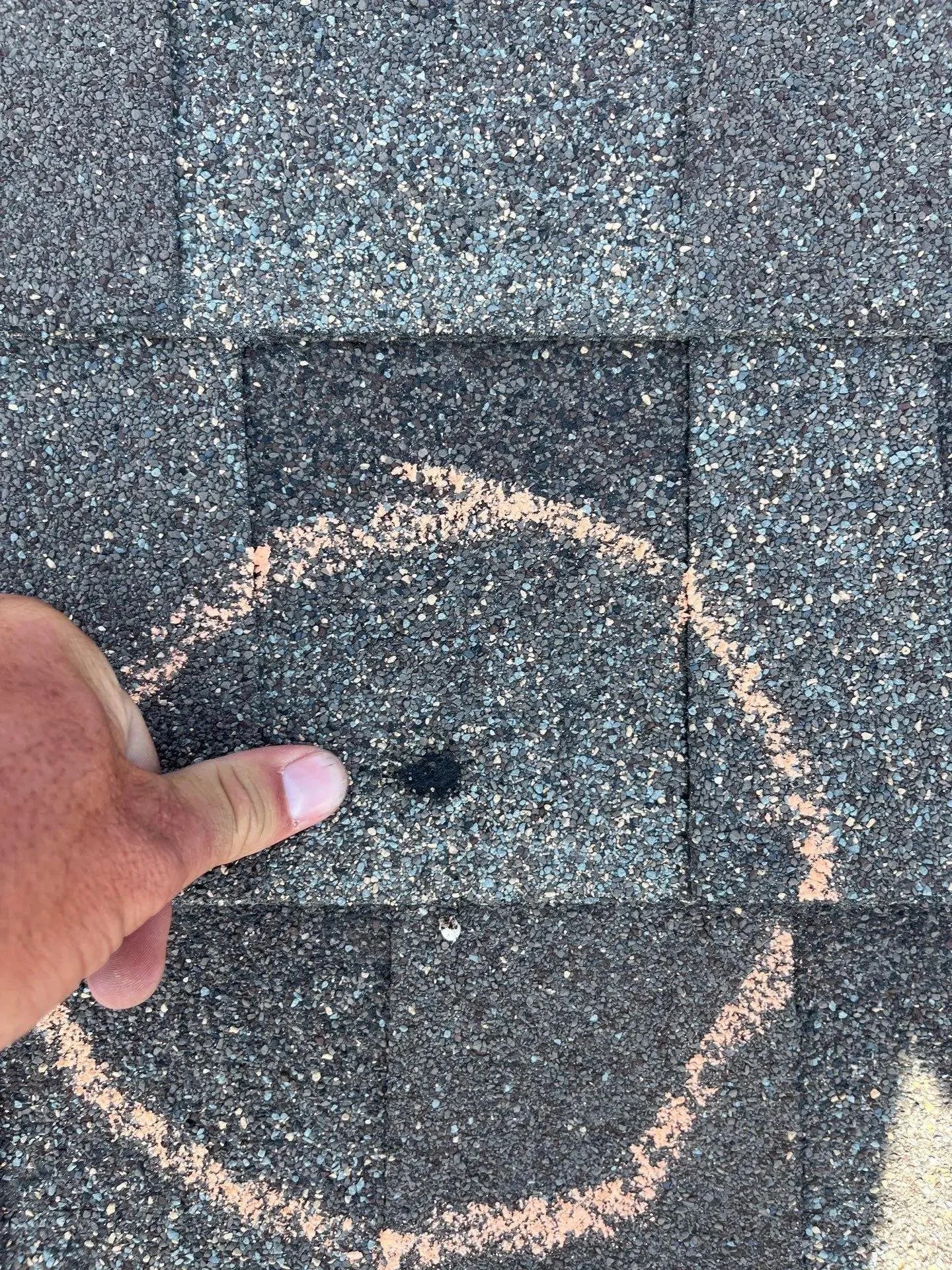
Hail is one of the biggest reasons homeowners unexpectedly find themselves considering roof replacement in Southern Minnesota.
Hail damage can be difficult to see from ground level. Impacts may cause:
Shingle bruising
Granule loss
Cracking
Ridge cap damage
Damaged vents
Dented flashing
Gutter damage
Even when a roof isn't actively leaking after a hailstorm, damage may have weakened the roofing system.
If your neighborhood experienced significant hail, schedule a professional inspection rather than assuming your roof is fine.
6. Your Roof Keeps Leaking
A single roof leak doesn't necessarily mean you need an entirely new roof.
Recurring leaks are a different story.
If you've repaired the roof multiple times but water continues entering your home, the underlying roofing system may be deteriorating.
Look for interior warning signs such as:
Ceiling stains
Peeling paint
Damp attic insulation
Water stains on rafters
Musty odors
Mold or mildew
Water can travel along roof decking and framing before becoming visible inside your home, so the location of a ceiling stain isn't always directly beneath the actual leak.
7. Your Roof Deck Is Sagging
A sagging roof requires immediate professional attention.
Roof sagging may indicate:
Moisture-damaged decking
Structural deterioration
Excessive loading
Long-term water intrusion
From outside your home, your roofline should generally appear straight and consistent.
If you notice dips, waves, or sagging areas, don't climb onto the roof. Contact a qualified roofing professional to inspect the structure.
8. Ice Dams Keep Coming Back
Ice dams are a familiar winter problem for Minnesota homeowners.
They form when heat escaping from the home melts snow on the roof. Water travels downward and refreezes near colder roof edges, creating a ridge of ice.
Water can then back up beneath shingles and enter the roofing system.
Recurring ice dams may point to problems involving:
Attic insulation
Air sealing
Roof ventilation
Roofing materials
Replacing shingles alone won't necessarily solve an insulation or ventilation issue. A complete roofing assessment can help determine what's actually causing the problem.
9. Your Roof Has Been Repaired Again and Again
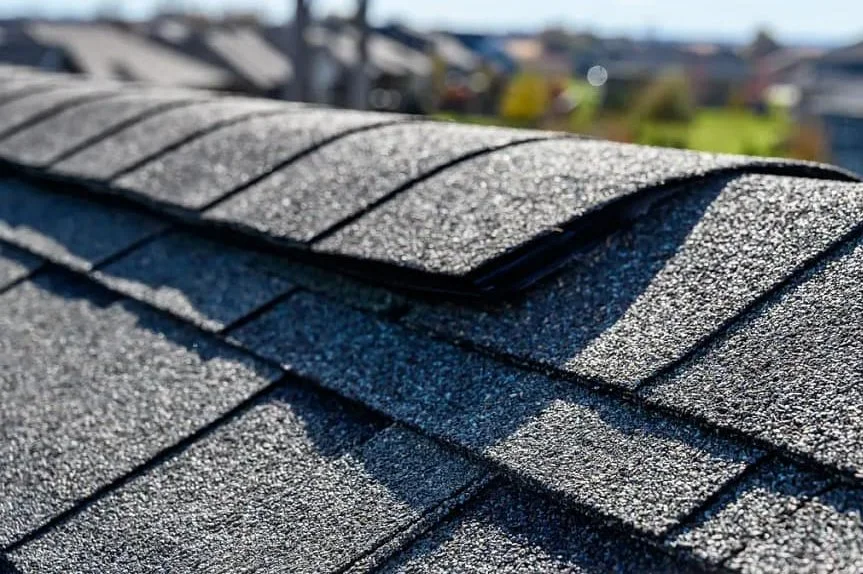
Repairs make sense when damage is isolated and the rest of the roof remains healthy.
Eventually, however, repeated repairs can become less economical.
If you're calling a roofing contractor every year to address another leak, missing shingles, flashing issue, or damaged section, ask for an evaluation of the entire system.
A planned roof replacement can sometimes be more cost-effective than continuing to repair an aging roof piece by piece.
Repair or Replace: How Do You Decide?
The right choice depends on the overall condition of your roof.
Roof repair may make sense when:
Damage is limited to a small area
The roof is relatively young
Most shingles remain in good condition
The roof decking is sound
You have one isolated leak
Roof replacement may make more sense when:
Damage is widespread
The roof is nearing the end of its expected lifespan
Shingles are deteriorating throughout the roof
Leaks keep returning
Storm damage affects multiple areas
Decking or other underlying components need attention
A professional roof inspection can help you compare the cost and expected lifespan of each option.
What Is the Best Time to Replace a Roof in Southern Minnesota?
Spring through fall is generally the most convenient period for residential roofing work in Minnesota, but the best timing depends on weather conditions and the urgency of your roof's condition.
If your roof is already showing signs of failure, waiting for the "perfect" season isn't necessarily a good strategy.
Planning can also help you avoid discovering serious problems when snow and freezing temperatures arrive.
Late summer and early fall are excellent times to evaluate your roof before winter. If repairs or replacement are needed, addressing them before heavy snow arrives can give you additional peace of mind.
Minnesota Roofing Codes Matter, Too
Roof replacement isn't simply a matter of removing old shingles and installing new ones. Minnesota has construction standards that apply to residential roofing systems, including requirements involving roofing materials and ice protection.
When an old roof is removed, contractors also have an opportunity to identify deteriorated decking, ventilation issues, and other problems that may have been hidden beneath the existing roofing system.
Working with a qualified Minnesota roofing contractor helps ensure your project follows applicable building requirements and manufacturer installation specifications.
Don't Wait for a Leak to Tell You It's Time
One of the biggest mistakes homeowners make is assuming their roof is fine because water isn't dripping from the ceiling.
Leaks are often a late-stage symptom.
Your roof may already have significant shingle deterioration, storm damage, flashing problems, or moisture issues before you notice water inside your home.
Preventative inspections allow you to address problems earlier and plan financially for a future roof replacement rather than dealing with an unexpected emergency.
Schedule a Roof Inspection with Elevate Roofing Solutions
If you're wondering whether it's time for a roof replacement in Southern Minnesota, start with a professional inspection.
Elevate Roofing Solutions can evaluate your shingles, flashing, ridge caps, roof decking, ventilation, and signs of storm or moisture damage to help you understand the condition of your roofing system.
Whether your home needs a small repair, storm restoration, or a complete roof replacement, getting the right information now can help you make a confident decision and protect your home through another Minnesota winter.
Don't wait for the next hailstorm, snowfall, or roof leak to uncover a problem. Contact Elevate Roofing Solutions to schedule your roof consultation and find out whether your roof is ready for the seasons ahead.