
Ridge Cap Shingles vs Regular Shingles: What's the Difference?
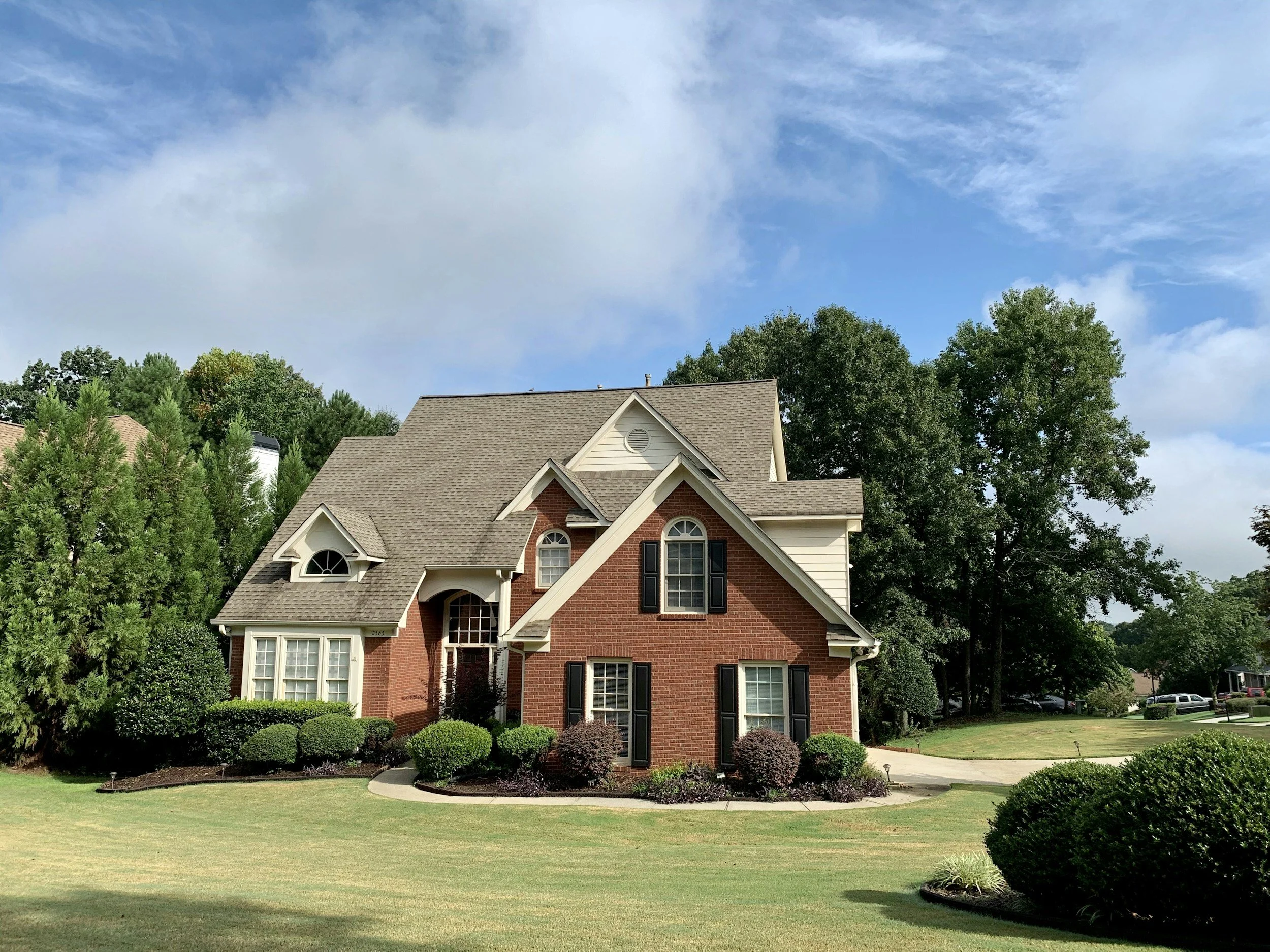
When homeowners think about replacing a roof, most focus on the shingles covering the roof's broad sections. However, one of the most important components of a complete roofing system is often overlooked: the ridge cap shingles.
If you've ever wondered about ridge cap shingles vs regular shingles, you're not alone. While they may appear similar at first glance, these two types of shingles serve very different purposes. Understanding the difference can help you make informed decisions about roof repairs, replacements, and long-term protection for your home.
In this guide, we'll explain what ridge cap shingles are, how they differ from regular shingles, why they're important, and whether it's ever acceptable to use standard shingles on your roof's ridge.
What Are Regular Shingles?
What Are Ridge Cap Shingles?
Why Not Just Use Regular Shingles?
Questions to Ask Before Hiring a Roofing Contractor
Final Thoughts
What Are Regular Shingles?
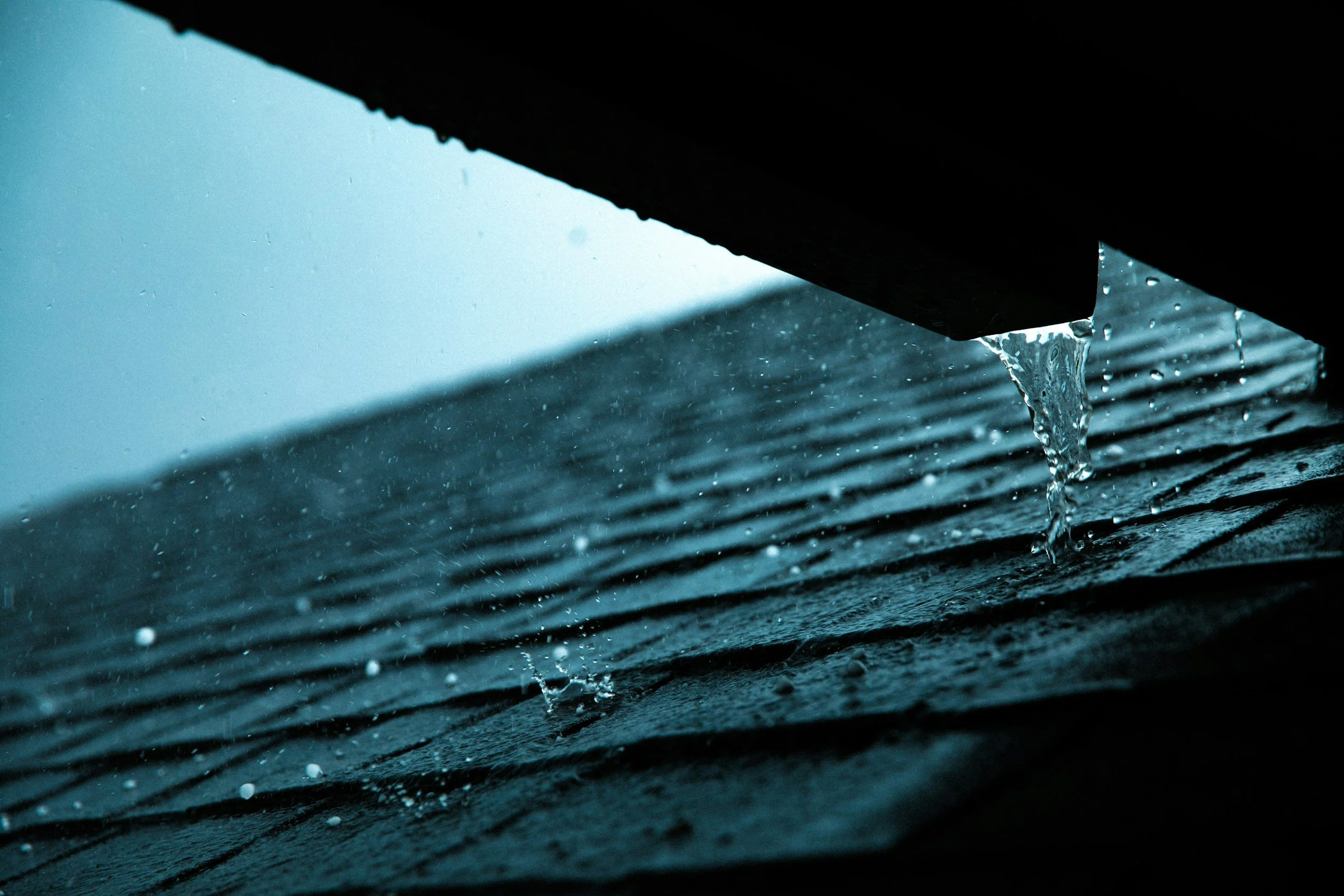
Regular shingles—also called field shingles- cover the large, flat portions of your roof. They make up the majority of your roofing system and provide protection from rain, snow, wind, and UV exposure.
Most residential homes use:
Three-tab asphalt shingles
Architectural (dimensional) shingles
Luxury asphalt shingles
These shingles are designed to lie flat across the roof deck and overlap one another to create a watertight barrier.
Their primary purpose is to protect the roof surface while enhancing curb appeal.
What Are Ridge Cap Shingles?
Ridge Cap Shingles vs Regular Shingles: The Key Differences
Although both products are made from asphalt roofing materials, they differ significantly.
1. Purpose
Regular Shingles
Designed to:
Cover roof slopes
Shed water
Protect the roof deck
Improve appearance
Ridge Cap Shingles
Designed to:
Seal roof ridges
Cover ridge vents
Prevent water intrusion
Resist wind uplift
Protect roof ventilation
Each product performs a unique role within the roofing system.
2. Shape and Design
One of the biggest differences in ridge cap shingles vs regular shingles is how they're manufactured.
Regular shingles are designed to remain flat.
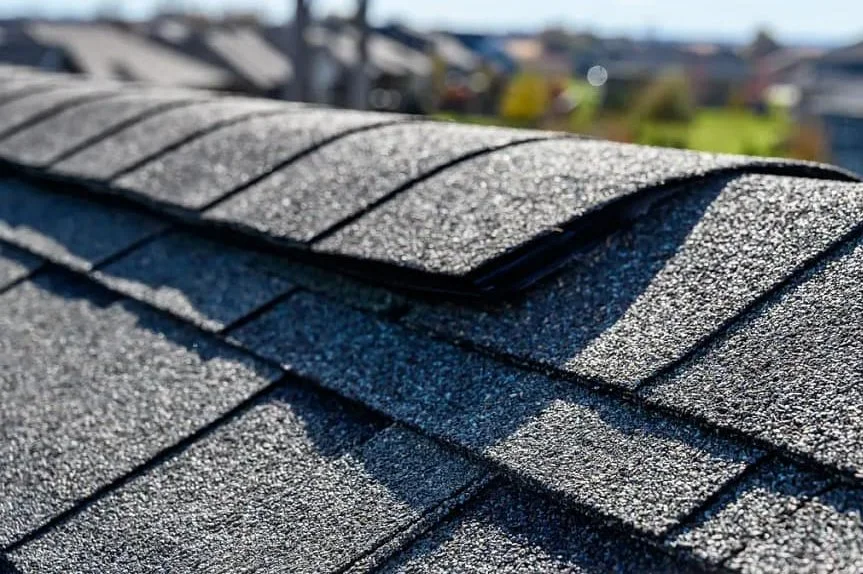
Ridge cap shingles are pre-cut and engineered to fold over roof ridges without cracking.
This specialized design allows them to maintain a secure seal while accommodating roof movement caused by temperature changes.
3. Wind Resistance
The roof ridge experiences some of the strongest wind pressure on the entire roof.
Because of this, ridge cap shingles typically include:
Reinforced construction
Stronger adhesive strips
Improved fastening systems
Higher wind ratings
Many premium ridge cap products carry wind resistance ratings exceeding 130 mph when properly installed.
Regular shingles simply aren't designed for these conditions.
4. Flexibility
During installation, ridge cap shingles must bend over the roof peak.
Using standard shingles often causes:
Cracking
Splitting
Improper sealing
Reduced lifespan
Manufactured ridge caps remain flexible while maintaining structural strength.
5. Appearance
Ridge cap shingles create a clean, finished appearance.
They provide:
Straight ridge lines
Uniform color
Enhanced architectural detail
Professional finishing
Many manufacturers offer ridge caps designed specifically to match architectural shingles.
The result is a roof that looks complete and professionally installed.
Why Not Just Use Regular Shingles?
Years ago, roofing contractors often cut three-tab shingles into smaller pieces to create ridge caps.
While this method was common decades ago, modern roofing manufacturers now recommend dedicated ridge cap shingles.
Using regular shingles instead can result in:
Reduced wind performance
Premature cracking
Shorter roof lifespan
Warranty concerns
Increased maintenance
Today's roofing systems perform best when all components are designed to work together.
Where Ridge Cap Shingles Are Installed
Ridge cap shingles are installed anywhere roof planes intersect, including:
Main roof ridges
Hip roofs
Garage roof peaks
Dormers
Porch roofs
Ridge ventilation systems
These areas require additional protection because they're more exposed to weather than standard roof surfaces.
Why Ridge Cap Shingles Matter in Minnesota
Minnesota weather creates unique challenges for roofing systems.
Throughout the year, roofs endure:
Heavy snowfall
Ice dams
High winds
Hailstorms
Freeze-thaw cycles
Summer heat
These conditions place tremendous stress on roof ridges.
Because ridge cap shingles sit at the highest point of the roof, they're often the first shingles affected during severe weather.
Installing dedicated ridge cap products helps improve long-term durability.
How Ridge Cap Shingles Protect Roof Ventilation
Many modern homes include ridge vents that allow warm attic air to escape.
The ridge cap shingles cover these vents while still allowing airflow.
Proper ridge ventilation helps:
Reduce attic temperatures
Prevent moisture buildup
Improve energy efficiency
Extend roof life
Reduce ice dam formation
Improperly installed ridge caps can block ventilation or allow water intrusion.
Can Ridge Cap Shingles Be Replaced Separately?
Yes. If the rest of your roof is in good condition, ridge cap shingles can often be replaced individually.
Common reasons include:
Storm damage
Wind uplift
Cracking
Curling
Aging materials
A roofing inspection can determine whether only the ridge caps require replacement or if broader roof repairs are needed.
Signs Your Ridge Cap Shingles Need Replacement
Watch for these warning signs:
Missing ridge cap shingles
Cracks or splits
Curling edges
Loose shingles
Granule loss
Water stains in the attic
Visible daylight near the ridge
Storm damage
Addressing these issues early can prevent much larger roofing problems.
How Long Do Ridge Cap Shingles Last?
The lifespan depends on:
Material quality
Installation
Ventilation
Local weather
Roof maintenance
In Minnesota, ridge cap shingles generally last between 15 and 25 years, though premium roofing systems may last longer.
Routine inspections after severe storms help identify early wear before leaks develop.
Should Ridge Cap Shingles Match the Roof?
Absolutely.
Most manufacturers produce matching ridge cap products specifically designed for their architectural shingles.
Benefits include:
Consistent appearance
Better color matching
Enhanced curb appeal
Improved warranty compliance
Matching components also ensures proper fit and long-term performance.
Questions to Ask Before Hiring a Roofing Contractor
Even the highest-quality ridge cap shingles won't perform properly if installed incorrectly.
Professional roofing contractors understand:
Proper overlap techniques
Nail placement
Wind-resistant fastening
Ventilation requirements
Manufacturer installation specifications
These details significantly impact how long your roof lasts.
Why a Complete Roofing System Matters
Your roof isn't just shingles.
A complete roofing system includes:
Underlayment
Ice and water barrier
Flashing
Ridge vents
Ridge cap shingles
Drip edge
Ventilation
Each component works together to protect your home.
Using the correct ridge cap shingles helps maximize the performance of the entire roofing system.
Choose the Right Roofing Materials for Long-Term Protection
Understanding the difference between ridge cap shingles vs. regular shingles helps homeowners appreciate why every roofing component matters.
While regular shingles protect the majority of your roof, ridge cap shingles safeguard the roof's most exposed and vulnerable areas. Their specialized design provides superior flexibility, wind resistance, weather protection, and ventilation support that regular shingles simply aren't built to deliver.
Whether you're replacing an aging roof or repairing storm damage, investing in properly installed ridge cap shingles can improve your roof's durability, appearance, and overall lifespan.
Final Thoughts
Roof replacement is a major decision, but it doesn't have to be overwhelming.
Understanding your roof's condition, evaluating your options, and working with a trusted contractor can help you make a confident decision that protects your home for years to come.
Before replacing your roof, start with a professional inspection and expert guidance. The right roofing partner can help you determine whether repairs, maintenance, or replacement is the best solution for your property.
Trust Elevate Roofing Solutions for Expert Roof Installation
At Elevate Roofing Solutions, we believe every roofing system should be built with the right materials from the start. Our experienced team installs complete roofing systems using high-quality components, including manufacturer-designed ridge cap shingles, to help protect homes across Southern Minnesota from harsh weather year-round.
If your roof has experienced storm damage or you're planning a roof replacement, contact Elevate Roofing Solutions today to schedule a professional roof inspection and learn how the right roofing materials can protect your home for decades to come.