
How Snow, Ice, and Freeze-Thaw Cycles Affect Your Roof
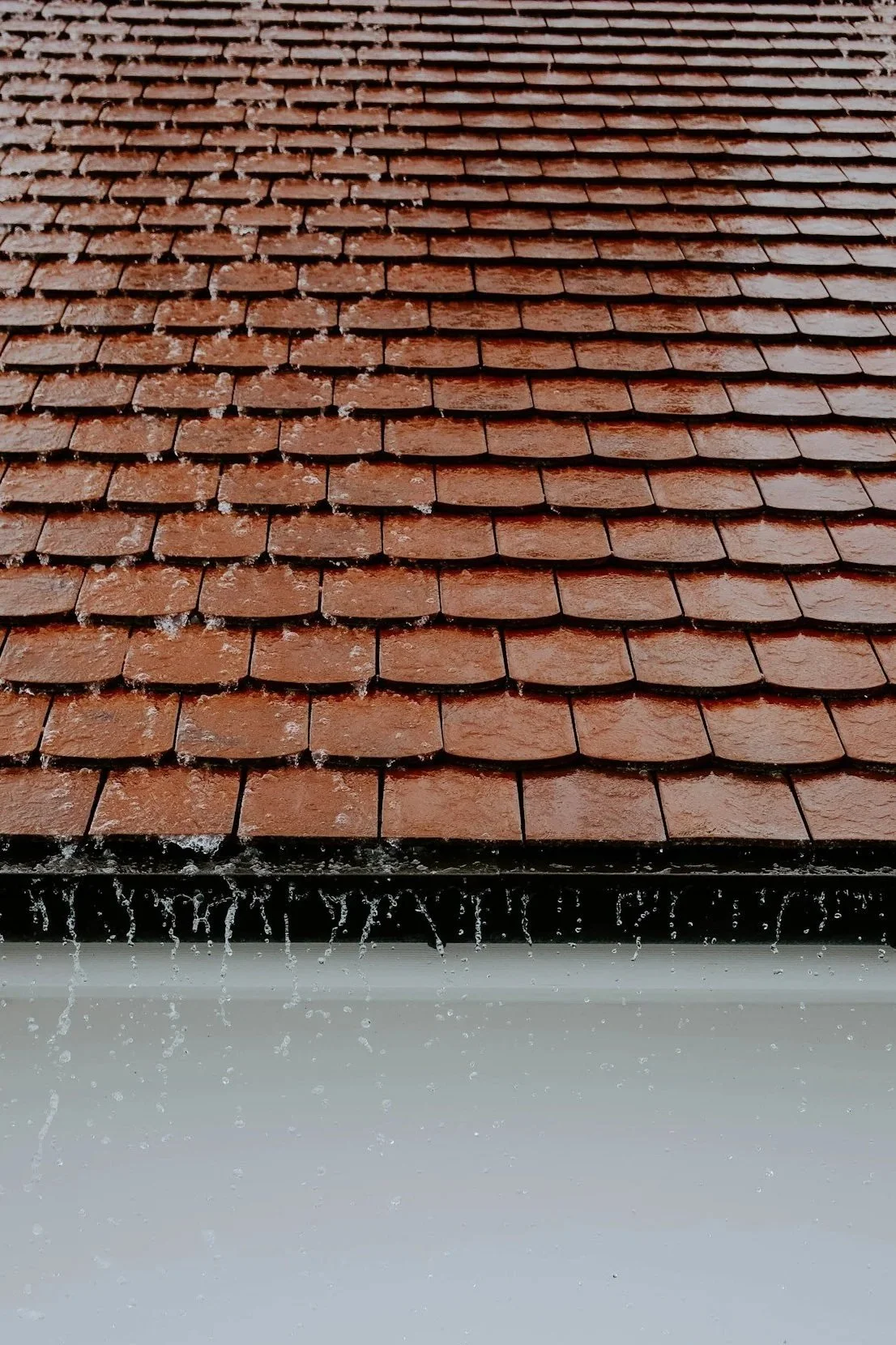
In northern climates like Minnesota and the Upper Midwest, commercial and residential roofs face some of the toughest environmental conditions in the country. Heavy snowfall, prolonged freezing temperatures, and repeated freeze-thaw cycles can place significant stress on roofing systems. Over time, these conditions can cause deterioration, leaks, and structural issues if roofs are not properly designed, installed, and maintained.
Understanding how snow, ice, and freeze-thaw cycles affect your roof is essential for property owners, facility managers, and business owners. With the right roofing system, proper maintenance, and regular inspections, you can protect your building and extend the life of your roof—even in harsh winter conditions.
This guide explains the science behind winter roof damage, the warning signs to watch for, and how professional roofing contractors help prevent costly repairs.
Why Winter Is Hard on Roofs
Signs of Winter Roof Damage
Ice Formation and Roof Damage
Understanding Freeze-Thaw Cycles
Roofing Materials and Winter Performance
Signs of Winter Roof Damage
Why Drainage Matters in Winter
The Importance of Professional Roof Maintenance
Conculsion
Why Winter Is Hard on Roofs
Winter weather impacts roofing systems in several ways. Snow accumulation, ice buildup, and temperature fluctuations work together to stress roofing materials and structural components.
Three major factors cause winter roof damage:
Snow loads
Ice formation
Freeze-thaw cycles
Each of these elements can affect roofing materials differently, especially on commercial flat roofs or low-slope systems commonly used on office buildings, warehouses, and retail properties.
When these conditions recur throughout the winter, small issues can quickly become significant problems.
The Impact of Heavy Snow Loads
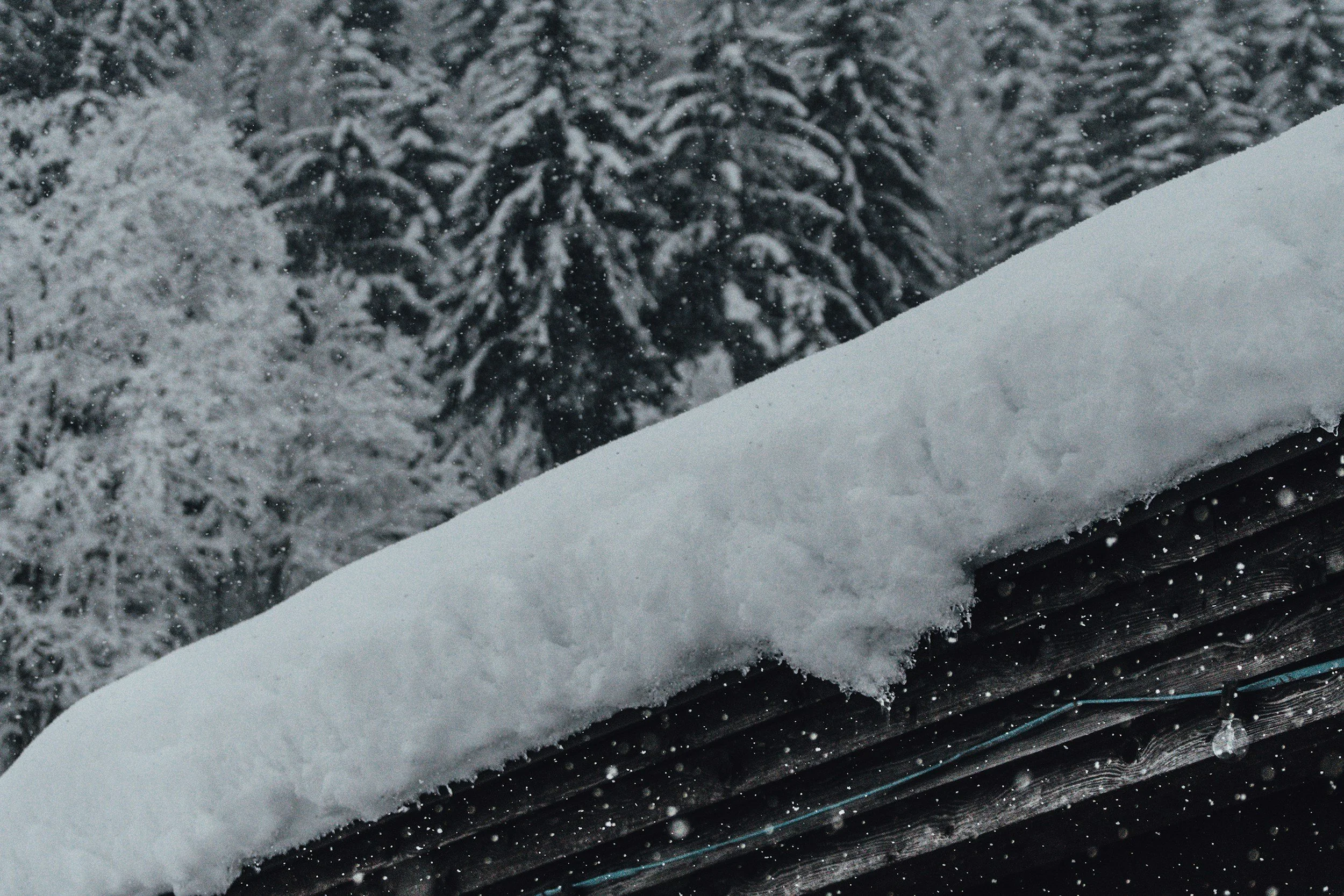
Snow may look light and fluffy, but it can become extremely heavy once it accumulates on a roof. Wet snow is particularly dense and can weigh 20 pounds or more per cubic foot.
For large commercial buildings, this added weight can stress structural systems and roofing materials.
Potential problems caused by snow loads
Structural stress
When snow accumulates unevenly or exceeds design limits, it can put excessive pressure on the roof structure. While modern buildings are engineered to handle snow loads, extreme accumulation can still create safety concerns.
Drainage blockage
Snow buildup can block drains and scuppers, preventing proper drainage when melting begins. When water cannot drain properly, it may pond on flat roofs, increasing the risk of leaks.
Membrane stress
Heavy snow can compress roofing membranes and insulation layers, particularly on older roofs or those with weakened materials.
Commercial roofs with HVAC units, parapet walls, or rooftop equipment often experience uneven snow distribution, which increases the risk of localized stress.
Ice Formation and Roof Damage
While snow accumulation is a concern, ice formation often causes even more damage to roofing systems.
Ice typically forms when melting snow refreezes due to temperature changes. This process creates ice layers that can trap water, damage materials, and create hazardous conditions.
Ice dams
One of the most common winter roofing problems is the formation of ice dams.
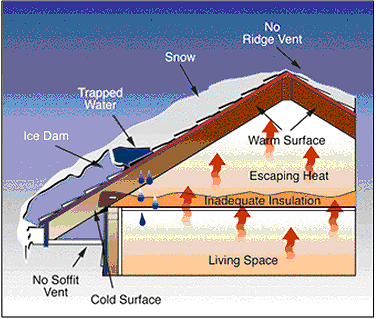
Ice dams occur when heat escaping from a building warms the roof surface. Snow melts and flows downward until it reaches a colder section of the roof—usually near the eaves—where it refreezes.
Over time, ice builds up and forms a barrier that traps melting water behind it.
This trapped water can:
Back up under shingles or roofing membranes
Penetrate seams and flashing
Cause interior leaks
Damage to insulation and drywall
Ice dams are especially common on sloped residential roofs, but can also affect commercial buildings with poor insulation or ventilation.
Understanding Freeze-Thaw Cycles
A freeze-thaw cycle occurs when temperatures fluctuate above and below freezing. These temperature swings are common in Minnesota and the Midwest, particularly during late winter and early spring.
When snow or ice melts during the day and refreezes at night, water repeatedly expands and contracts.
Why freeze-thaw cycles are damaging
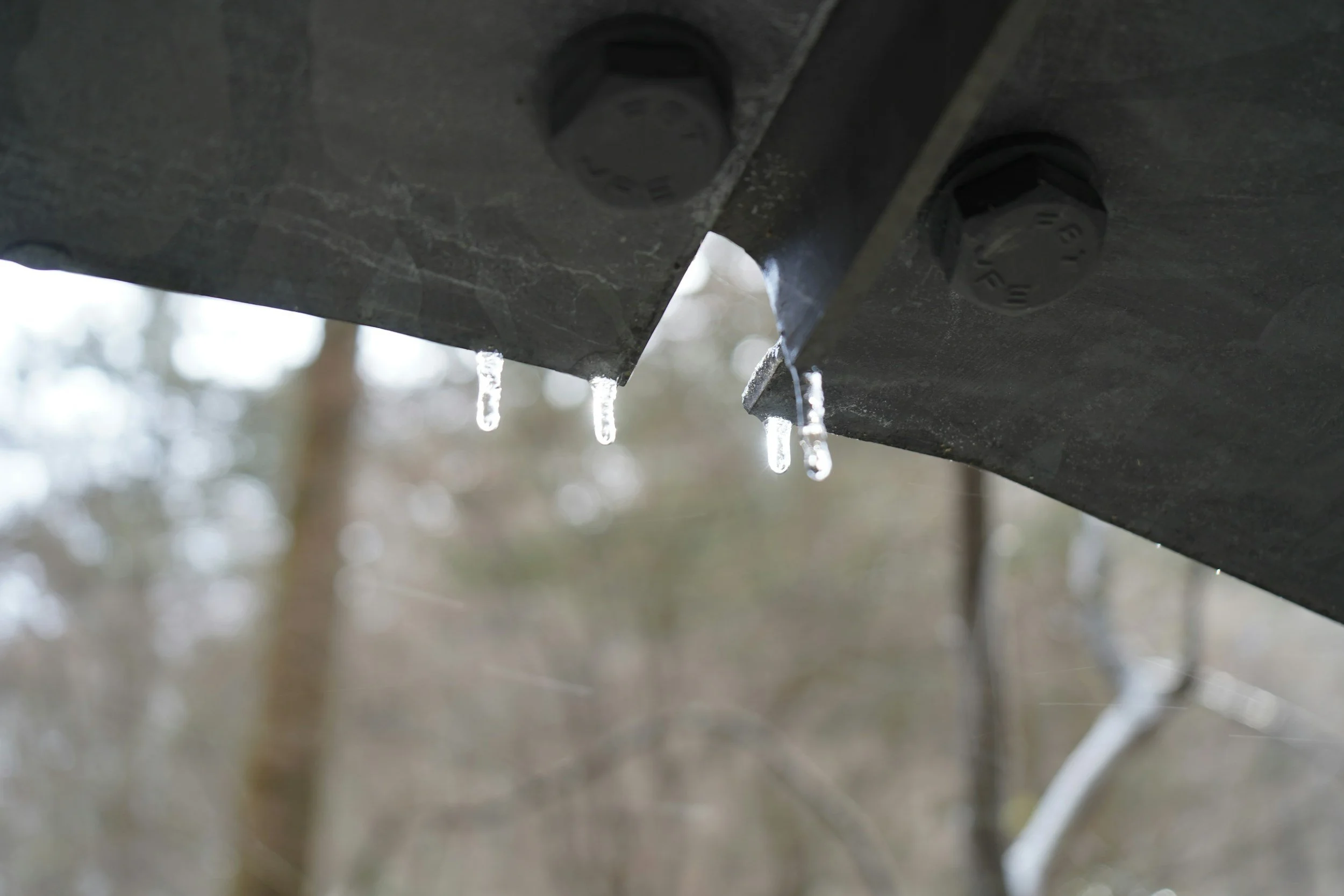
Water expands approximately 9% when it freezes. When moisture seeps into small cracks or seams in roofing materials, freezing temperatures cause the water to expand.
This expansion can:
Widen cracks in roofing membranes
Break apart flashing seals
Separate seams in flat roofing systems
Damage concrete or masonry roof structures
Over time, repeated freeze-thaw cycles accelerate roof deterioration.
Even small cracks can grow into major leaks after several months of winter weather.
Roofing Materials and Winter Performance
Different roofing materials respond differently to snow and ice exposure. Understanding how your roofing system performs in winter conditions can help you plan maintenance and inspections.
Common commercial roofing systems
EPDM rubber roofing
EPDM membranes are known for flexibility and durability in cold temperatures. However, seams and adhesive areas can weaken over time if exposed to repeated freeze-thaw cycles.
TPO roofing
TPO roofs perform well in snow climates due to strong seams and reflective surfaces. Proper installation is critical to prevent seam separation caused by temperature fluctuations.
Modified bitumen
Modified bitumen systems are durable but can become brittle as they age, making them more susceptible to cracking during freeze-thaw cycles.
Metal roofing
Metal roofs shed snow more effectively than flat roofing systems. However, they can still experience ice buildup near edges and penetrations.
Each roofing system requires proper drainage, insulation, and maintenance to withstand harsh winters.
Signs of Winter Roof Damage
Roof damage caused by snow and ice is not always obvious right away. However, several warning signs may indicate your roof has been affected by winter weather.
Interior warning signs
Water stains on ceilings or walls
Dripping water during warm winter days
Mold or mildew growth
Peeling paint or bubbling drywall
Exterior warning signs
Ice buildup along roof edges
Sagging roof areas
Damaged flashing
Loose or missing roofing materials
Because winter damage often occurs beneath the surface, professional roof inspections are the best way to identify problems early.
Why Drainage Matters in Winter
Proper drainage is one of the most important defenses against winter roof damage.
Commercial roofs rely on drainage systems such as:
Internal roof drains
Scuppers
Gutters and downspouts
When snow melts, water must be able to move off the roof quickly. If drains are clogged with ice, debris, or snow, water can accumulate and refreeze.
Standing water increases the risk of:
Roof leaks
Membrane damage
Structural stress
Routine maintenance ensures drainage systems remain clear and functional during the winter months.
Preventing Winter Roof Damage
While winter conditions cannot be avoided, many roofing problems can be prevented with proactive maintenance.
Schedule regular roof inspections
Professional inspections before and after winter help identify potential vulnerabilities.
Roofing professionals typically check:
Membrane condition
Flashing and penetrations
Drainage systems
Roof insulation
Structural integrity
Early detection prevents small issues from becoming major repairs.
Maintain insulation and ventilation
Proper insulation reduces heat loss that can cause snow to melt unevenly.
Ventilation also helps regulate roof temperatures, preventing ice dams and uneven melting patterns.
Keep drains and gutters clear
Clearing debris from drains and gutters allows melting snow to flow off the roof efficiently.
This simple step can significantly reduce winter roof damage.
Remove excessive snow safely
In some cases, snow removal may be necessary if accumulation becomes excessive. Professional roof snow removal services use specialized equipment to safely remove snow without damaging roofing materials.
Improper snow removal methods can puncture membranes or cause additional damage, so it should always be handled carefully.
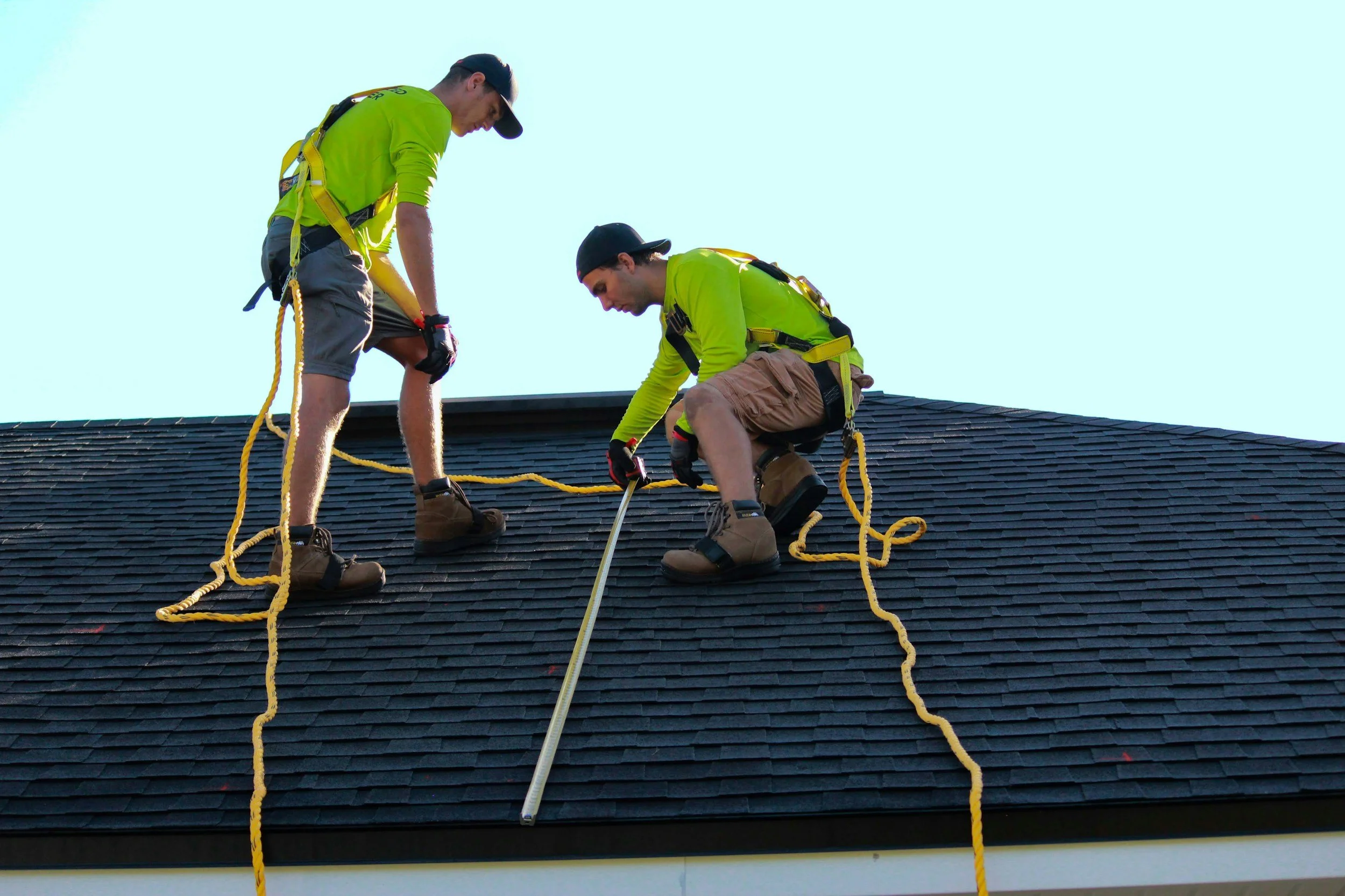
The Importance of Professional Roof Maintenance
Winter roofing issues often develop gradually. By the time a leak appears inside a building, significant damage may already have occurred.
Professional roofing contractors understand how winter weather affects different roofing systems and can identify vulnerabilities before they become costly repairs.
Regular maintenance programs typically include:
Seasonal inspections
Drainage system cleaning
Minor repairs and sealing
Documentation for building owners and facility managers
Preventive maintenance is significantly more cost-effective than emergency repairs or full roof replacement.
Protecting Your Roof Through Minnesota Winters
Snow, ice, and freeze-thaw cycles are unavoidable in northern climates, but they don’t have to lead to major roofing problems.
With the right roofing materials, proper insulation, effective drainage, and routine inspections, your roof can withstand even the harshest winter conditions.
For commercial property owners, proactive roof maintenance is one of the best investments you can make to protect your building, employees, and operations.
If you suspect winter weather may have damaged your roof, scheduling a professional inspection is the best way to assess the situation and prevent further issues.
A strong roof doesn’t just protect your building—it protects everything inside it.
Conclusion
Winter places enormous stress on roofing systems. Heavy snow loads, ice buildup, and freeze-thaw cycles can weaken roofing materials, damage drainage systems, and create leaks if not addressed properly.
Understanding how these winter forces affect your roof allows property owners to take preventive action. Routine inspections, proper insulation, and professional maintenance ensure your roof remains durable, efficient, and safe throughout the winter season.
Investing in roof care today helps prevent costly repairs tomorrow—keeping your building protected year-round.
If you suspect winter weather may have impacted your roof, contact Elevate Roofing Solutions for a professional inspection. Their experienced team specializes in commercial roofing systems across Minnesota and the Midwest, helping property owners identify issues early and protect their buildings from costly damage. Reach out today to schedule an inspection and keep your roof performing at its best through every season.