
Flat Roofing Systems Explained for Facility Managers: A Guide to Commercial and Industrial Roofing
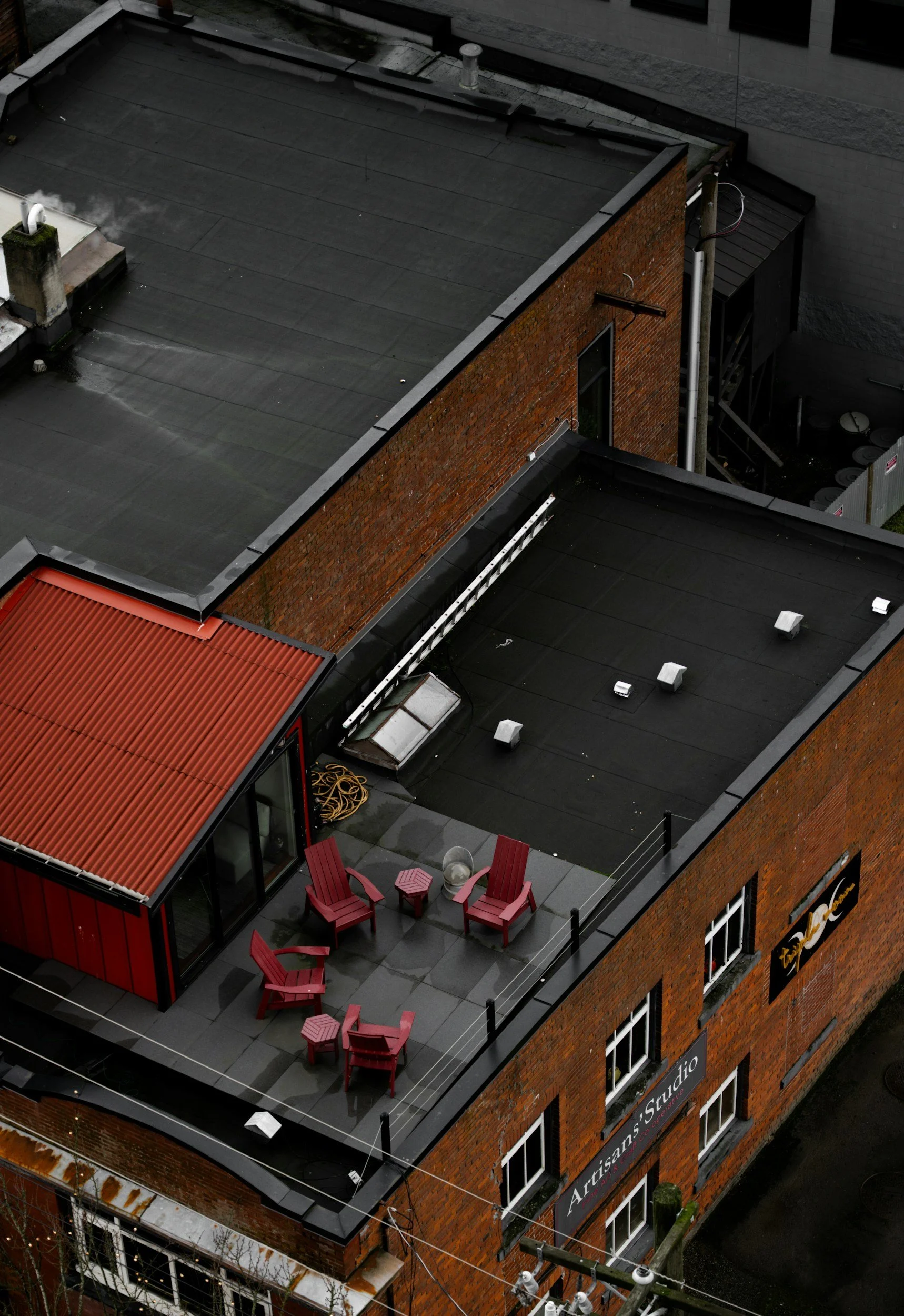
Flat roofs are one of the most common roofing systems used on commercial and industrial buildings. From office complexes and warehouses to manufacturing facilities and retail centers, flat roofing systems offer practical benefits including accessibility, efficient installation, and cost-effective maintenance.
For facility managers responsible for maintaining commercial or industrial buildings, understanding how flat roofing systems work—and which materials perform best- is essential to protecting your building and managing long-term costs.
This guide explains the most common commercial flat roofing systems, their advantages, and what facility managers should consider when evaluating roof maintenance, repair, or replacement.
Inside the blog:
What Is a Flat Roofing System?
Why Flat Roofing Is Ideal for Commercial and Industrial Buildings
Common Flat Roofing Systems for Commercial Buildings
Important Components of Flat Roofing Systems
Common Flat Roof Problems Facility Managers Should Watch For
How Facility Managers Can Extend the Life of Flat Roofing System
Final Thoughts: Understanding Flat Roofing Systems
What Is a Flat Roofing System?
Despite the name, flat roofs are not completely flat. They are typically built with a low slope, allowing water to drain toward designated drainage points such as internal drains, gutters, or scuppers.
Flat roofs are widely used on commercial and industrial buildings because they:
Provide space for HVAC equipment and mechanical systems
Are easier and safer to access for maintenance
Allow efficient installation over large building footprints
Offer cost-effective material and labor options
Flat roofing systems are designed to create a continuous waterproof barrier that protects the building structure and insulation beneath.
Why Flat Roofing Is Ideal for Commercial and Industrial Buildings
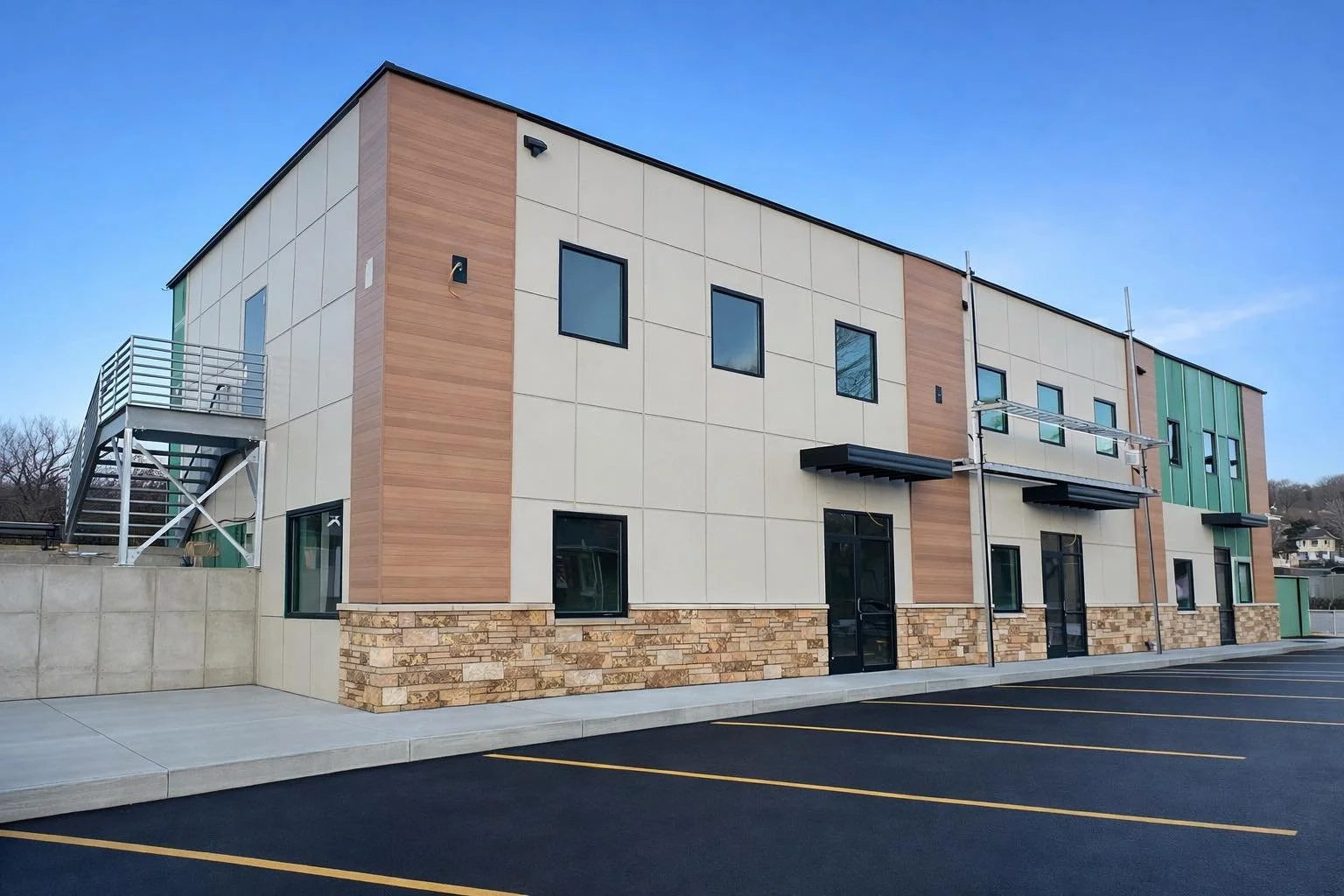
Flat roofs are particularly well suited for large-scale buildings such as warehouses, manufacturing plants, and office complexes.
Efficient Use of Space
Mechanical equipment like HVAC systems, solar panels, and ventilation units are commonly installed on flat roofs. This keeps equipment out of tenant spaces and maximizes interior floor space.
Cost-Effective Installation
Compared to steep-slope roofing systems, flat roofs require fewer structural materials and can be installed faster on large commercial structures.
Easier Maintenance Access
Facility managers and service technicians can safely walk across flat roofs to inspect equipment or perform maintenance.
Modern Energy Efficiency
Many flat roofing membranes feature reflective surfaces that reduce heat absorption, improving energy efficiency in large commercial buildings.
Common Flat Roofing Systems for Commercial Buildings
TPO Roofing (Thermoplastic Polyolefin)
TPO is one of the most widely used commercial flat roofing systems today.
Benefits of TPO Roofing
Highly reflective white surface improves energy efficiency
Resistant to UV damage and chemical exposure
Strong seam welding technology
Lightweight and cost-effective
Performs well in many climates
TPO roofing membranes are heat-welded at the seams, creating a strong watertight bond that resists leaks.
Typical Lifespan
TPO roofs typically last 20–30 years with proper maintenance.
Because of its balance of cost and performance, TPO is a popular choice for office buildings, retail centers, and warehouses.
EPDM Roofing (Rubber Roofing)
EPDM, often called rubber roofing, has been used for decades in commercial construction.
Benefits of EPDM
Flexible material performs well in temperature fluctuations
Resistant to UV exposure
Durable and long-lasting
Easy to repair
EPDM is particularly well suited for cold climates like Minnesota, where roofs experience expansion and contraction during freeze-thaw cycles.
Typical Lifespan
EPDM roofs generally last 20–30 years with routine maintenance.
PVC Roofing
PVC roofing systems offer excellent durability and chemical resistance.
Advantages of PVC Roofing
Strong seam welding similar to TPO
Resistant to grease, oils, and chemicals
Highly reflective surface for energy savings
Performs well on buildings with rooftop equipment
Because of its chemical resistance, PVC roofing is often used for restaurants, industrial buildings, and facilities with heavy mechanical systems.
Typical Lifespan
PVC roofing systems typically last 25–30 years.
Modified Bitumen Roofing
Modified bitumen is a multi-layer asphalt-based roofing system designed for durability and redundancy.
Key Benefits
Multiple layers provide strong waterproofing
Good puncture resistance
Proven long-term performance
Suitable for high-traffic roofs
Modified bitumen systems are commonly installed on industrial facilities and older commercial buildings.
Typical Lifespan
Modified bitumen roofs generally last 20–25 years.
Metal Roofing for Low-Slope Buildings
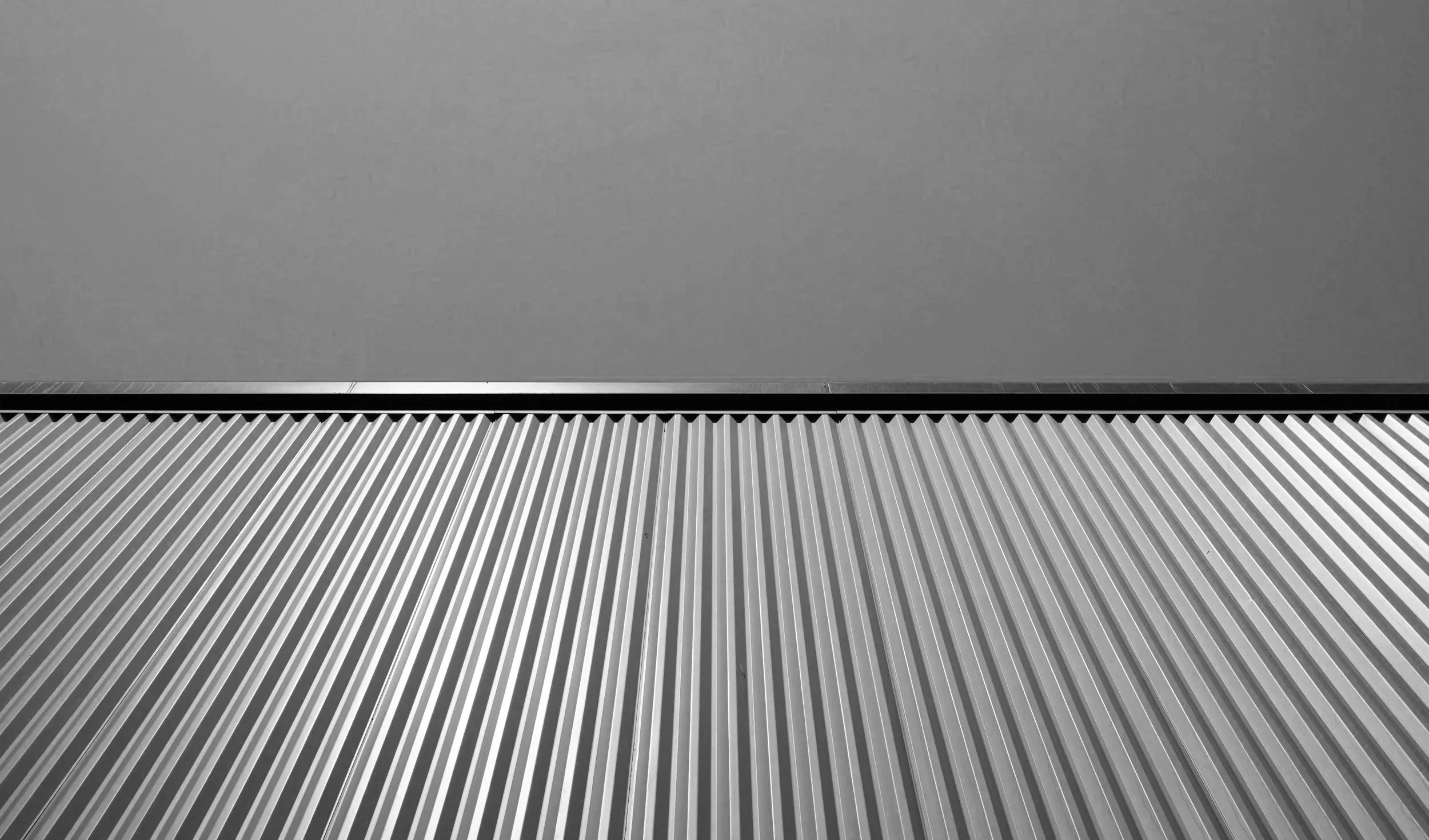
While metal roofs are more common on sloped structures, standing seam metal roofing can also be used on certain commercial and industrial buildings.
Benefits of Metal Roofing
Extremely long lifespan
High resistance to wind and snow
Low maintenance requirements
Excellent durability
Metal roofs can last 40–60 years, making them a long-term investment for facility owners.
Important Components of Flat Roofing Systems
A commercial flat roof is more than just a membrane. Several components work together to create a complete roofing system.
Roof Membrane
The top waterproof layer that protects the building from moisture.
Insulation
Installed beneath the membrane, insulation improves energy efficiency and helps regulate building temperatures.
Vapor Barrier
Prevents moisture from entering the roofing system from inside the building.
Drainage Systems
Flat roofs rely on drains, scuppers, or gutters to move water away from the roof surface.
Flashing
Flashing seals vulnerable areas such as roof edges, penetrations, and wall transitions.
Understanding how these components work together helps facility managers make informed maintenance decisions.
Common Flat Roof Problems Facility Managers Should Watch For
Even high-quality roofing systems can develop problems over time.
Ponding Water
Standing water can accelerate membrane deterioration and increase structural stress.
Membrane Punctures
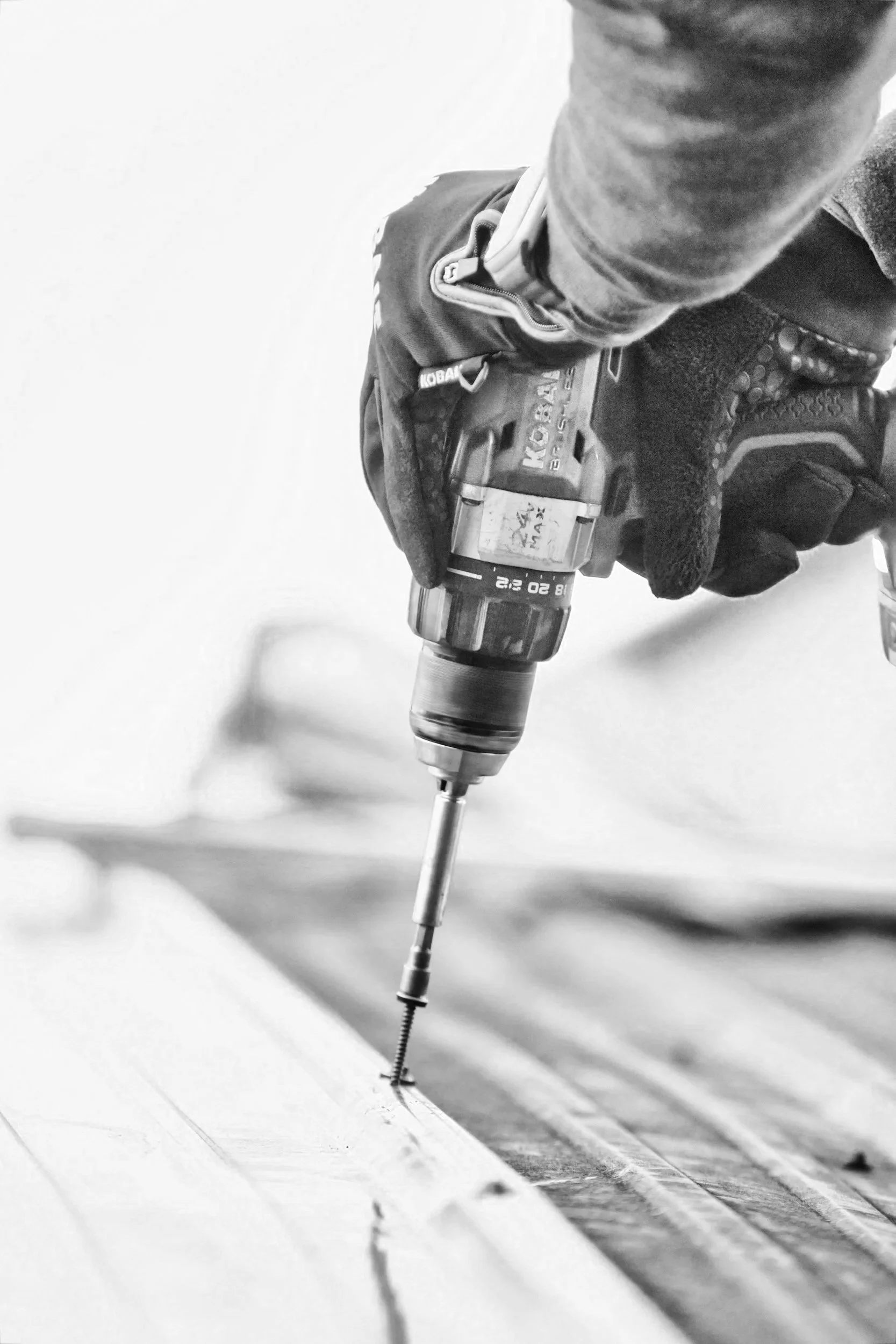
Foot traffic, dropped tools, or debris can puncture roofing membranes.
Seam Separation
Improper installation or aging materials can cause seams to loosen.
Flashing Failure
Flashing around HVAC units and penetrations is a common leak point.
Drainage Blockages
Clogged drains can cause water to accumulate on the roof surface.
Routine inspections help identify these issues before they become expensive repairs.
How Facility Managers Can Extend the Life of Flat Roofing Systems
Proactive maintenance is the most effective way to extend roof lifespan.
Schedule Regular Roof Inspections
Experts recommend inspecting commercial roofs twice per year and after major storms.
Keep Drains and Gutters Clear
Debris buildup is a leading cause of drainage problems.
Address Minor Repairs Quickly
Small membrane punctures or seam failures are easy to repair when caught early.
Monitor Rooftop Equipment
HVAC systems and service visits can increase wear on roofing membranes.
A preventative maintenance plan helps facility managers avoid costly emergency repairs.
Repair vs. Replacement: When Should Facility Managers Act?
Eventually every commercial roof reaches the end of its lifespan.
Signs that replacement may be necessary include:
Frequent leaks
Widespread membrane damage
Wet insulation
Structural concerns
Roof age nearing expected lifespan
A professional roof evaluation can help determine whether repairs or full replacement is the most cost-effective option.
Why Commercial Roofing Expertise Matters
Flat roofing systems require specialized knowledge to install and maintain correctly. An experienced commercial roofing contractor understands:
Proper membrane installation techniques
Drainage design and slope requirements
Local building codes
Climate-related challenges
Manufacturer warranty requirements
Working with a trusted commercial roofing partner helps ensure long-term performance.
Final Thoughts: Understanding Flat Roofing Systems
Flat roofing systems play a critical role in protecting commercial and industrial buildings. For facility managers responsible for maintaining these properties, understanding roofing materials, system components, and maintenance practices is essential.
Whether your building uses TPO, EPDM, PVC, modified bitumen, or metal roofing, routine inspections and preventative maintenance can significantly extend the lifespan of your roofing system.
A well-maintained commercial roof protects not only the building itself but also the operations and tenants inside.
If you manage a commercial or industrial property and want to ensure your flat roofing system is performing properly, professional inspections are the best place to start.
Elevate Roofing Solutions provides expert commercial roofing services designed to help facility managers maintain safe, efficient, and durable roofing systems.
Contact Elevate Roofing Solutions today to schedule a professional commercial roof evaluation and protect your building investment.