
Commercial Roof Inspection: Why It Matters for Minnesota Property Owners
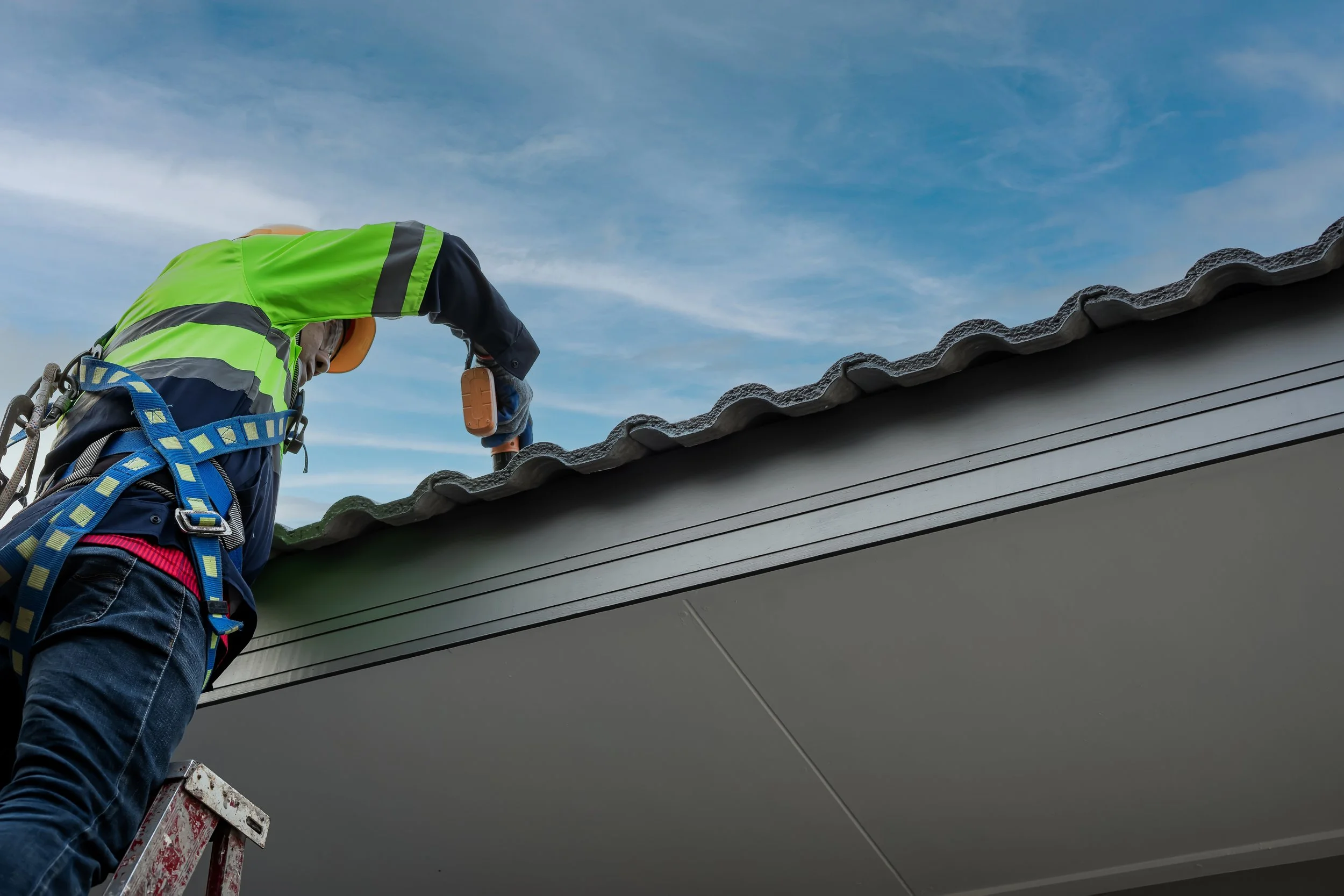
A commercial roof is one of the most important and most expensive components of your building. Yet it’s often the most overlooked until there’s a leak.
Regular commercial roof inspections are essential to protecting your investment, extending roof lifespan, and preventing costly emergency repairs. In Minnesota, where snow loads, wind, hail, and freeze-thaw cycles put added stress on roofing systems, inspections are even more critical.
If you own or manage a commercial property, here’s what you need to know about commercial roof inspections — and why they should be part of your long-term maintenance strategy.
What Is a Commercial Roof Inspection?
Why Commercial Roof Inspections Are Critical in Minnesota
How Often Should a Commercial Roof Be Inspected?
What Happens During a Commercial Roof Inspection?
The Benefits of Routine Commercial Roof Inspections
Schedule Your Commercial Roof Inspection Today
What Is a Commercial Roof Inspection?
A commercial roof inspection is a professional evaluation of your roofing system to assess its condition, performance, and potential vulnerabilities.
Unlike a quick visual check from the ground, a professional inspection involves:
Evaluating membrane integrity
Inspecting seams and flashing
Checking drainage systems
Identifying ponding water
Assessing rooftop equipment areas
Detecting early signs of leaks
Reviewing insulation condition
The goal is to identify minor issues before they become major structural problems.
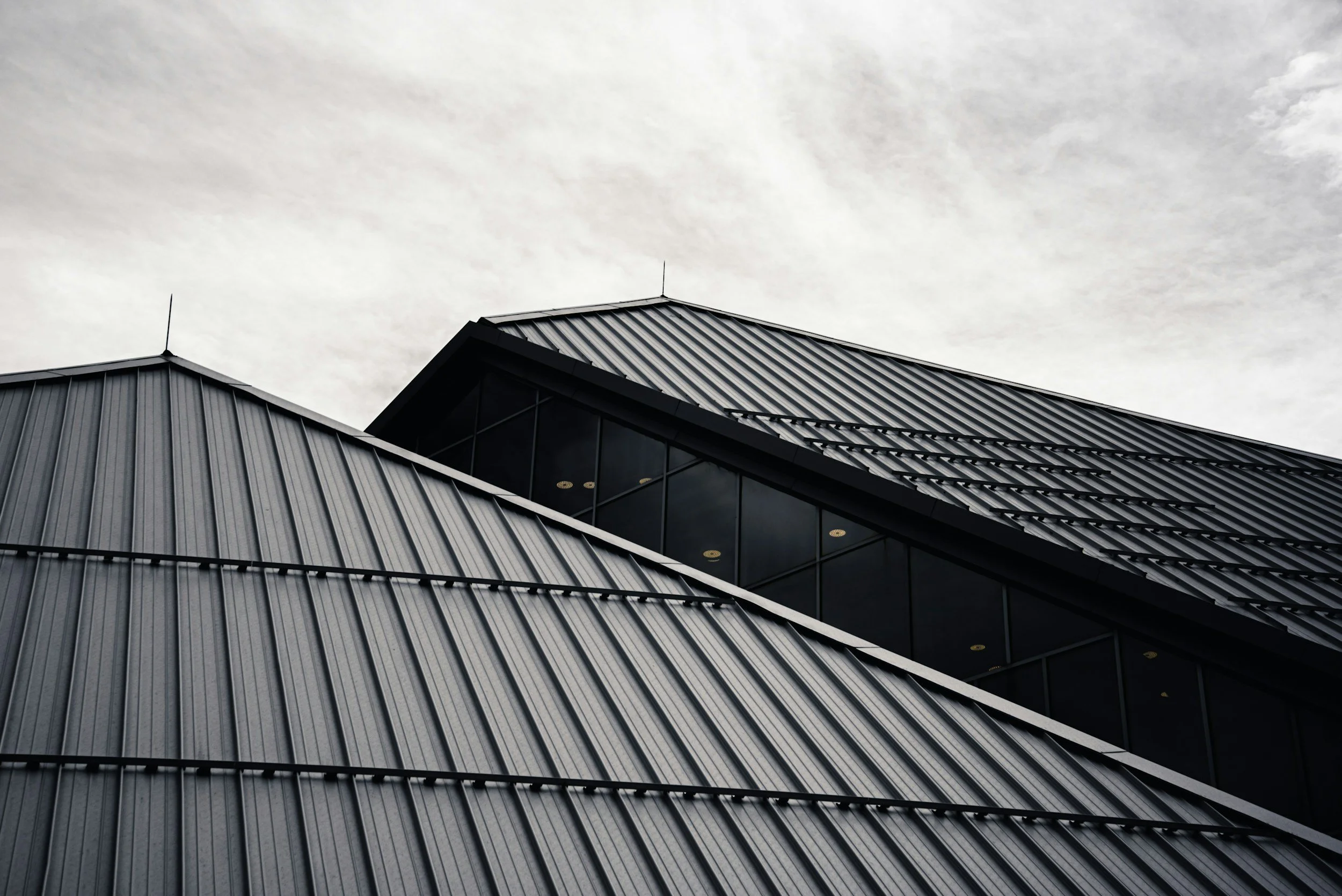
Why Commercial Roof Inspections Are Critical in Minnesota
Minnesota’s climate creates unique challenges for commercial roofs:
Heavy snow loads in winter
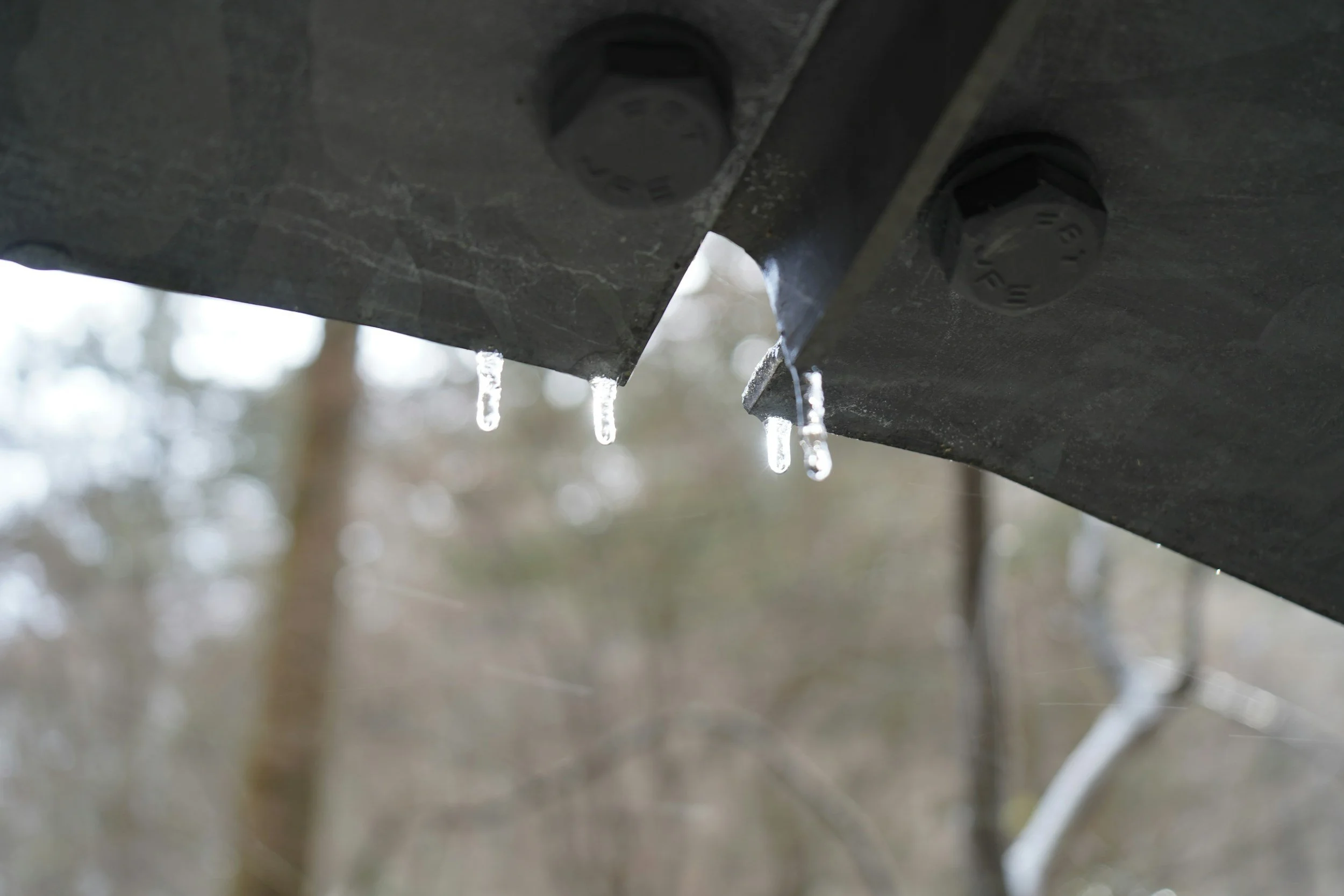
Ice dams and freeze-thaw cycles
Spring hailstorms
Strong wind events
Rapid temperature fluctuations
These weather patterns can weaken membranes, loosen flashing, and stress seams over time. Even well-installed roofing systems require monitoring.
Routine inspections allow property owners to stay ahead of climate-related wear and tear.
How Often Should a Commercial Roof Be Inspected?
Most experts recommend:
Twice per year (spring and fall)
After major storms
Before warranty expiration
When buying or selling a property
Regular inspections help maintain manufacturer warranties and reduce the likelihood of surprise failures.
What Happens During a Commercial Roof Inspection?
A professional commercial roof inspection typically follows a detailed checklist.
1. Membrane Evaluation
The roofing membrane is checked for:
Punctures
Cracks
Blisters
Seam separation
UV degradation
For systems like TPO, EPDM, or PVC, seam integrity is especially important.
2. Flashing & Penetration Inspection
Roof penetrations — including HVAC units, vents, and drains — are common leak points.
Inspectors check:
Flashing seals
Mechanical curbs
Pipe boots
Parapet wall connections
Improper flashing is one of the leading causes of roof leaks.
3. Drainage System Review
Flat and low-slope commercial roofs rely on proper drainage.
Inspectors examine:
Roof drains
Scuppers
Gutters
Downspouts
Clogged drains can lead to ponding water, which accelerates membrane deterioration.
4. Insulation & Moisture Detection
Water infiltration can saturate insulation beneath the membrane.
Advanced inspections may include:
Moisture scanning
Infrared imaging
Core sampling (if necessary)
Wet insulation significantly reduces energy efficiency and structural integrity.
5. Structural Assessment
Inspectors look for:
Soft spots
Deck movement
Signs of sagging
Snow load stress
Structural issues must be addressed immediately to avoid major safety risks.
Signs You Need a Commercial Roof Inspection
You shouldn’t wait for visible leaks to schedule an inspection. Warning signs include:
Ceiling stains
Dripping water
Rising energy bills
Bubbling membrane
Loose edge metal
Recent severe weather
Proactive inspections are far less expensive than reactive emergency repairs.
The Benefits of Routine Commercial Roof Inspections
1. Extend Roof Lifespan
Most commercial roofing systems last 20–30 years — but only with proper care. Routine inspections can add years to your roof’s life.
2. Reduce Long-Term Costs
Catching minor seam failures or flashing issues early prevents structural damage and the need for insulation replacement.
3. Protect Tenant Operations
Leaks disrupt businesses, damage interiors, and impact tenant satisfaction. Inspections help maintain uninterrupted operations.
4. Maintain Warranty Compliance
Many commercial roofing warranties require documented inspections. Skipping inspections may void coverage.
5. Improve Energy Efficiency
Damaged insulation reduces performance. Inspections ensure your building remains energy efficient year-round.
Commercial Roof Inspection vs. Roof Assessment
While similar, there’s a difference:
Inspection: Routine maintenance evaluation
Assessment: An in-depth evaluation is often conducted before major repairs or replacements.
What Does a Commercial Roof Inspection Cost?
Costs vary depending on roof size and complexity.
Typical inspection ranges:
Small office building: $250–$750
Mid-sized commercial property: $750–$1,500
Large industrial facility: Custom pricing
Compared to the cost of emergency repairs or a full replacement, inspections are a minimal investment.
Commercial Roofing Systems That Require Inspections
All roofing systems benefit from inspection, including:
TPO roofing
EPDM roofing
PVC roofing
Modified bitumen
Standing seam metal roofing
Even metal roofs, known for their longevity, require inspections of flashing and fasteners.
Storm Damage and Post-Storm Inspections
Southern Minnesota frequently experiences hail and windstorms. After severe weather, inspections are essential to:
Identify hidden punctures
Document insurance claims
Prevent slow-developing leaks
Storm damage is not always immediately visible.
The Role of Preventive Maintenance Programs
Many property owners choose ongoing maintenance programs that include:
Scheduled inspections
Minor repairs
Drain cleaning
Documentation and reporting
These programs help control long-term roofing costs and reduce emergency situations.
Why Choose Elevate Roofing Solutions for Commercial Roof Inspections?
Commercial roofing requires experience, attention to detail, and knowledge of local conditions.
Working with a professional commercial roofing contractor ensures:
Thorough documentation
Accurate repair recommendations
Honest assessments
Compliance with Minnesota building codes
Long-term performance planning
Elevate Roofing Solutions understands the demands placed on commercial roofs in Southern Minnesota and provides inspections designed to protect your investment.
Don’t Wait for a Leak
The most expensive roof problem is the one you didn’t know you had.
Routine commercial roof inspections provide peace of mind, protect your building, and support long-term capital planning. In Minnesota’s challenging climate, proactive maintenance isn’t optional — it’s essential.
Schedule Your Commercial Roof Inspection Today
If you own or manage a commercial property in Southern Minnesota, now is the time to schedule a professional roof inspection.
Elevate Roofing Solutions provides comprehensive commercial roof inspections designed to identify risks early and extend the life of your roofing system.
Contact Elevate Roofing Solutions today to schedule your commercial roof inspection and protect your building for years to come.