
Minnesota winters can be tough on your roof. Between heavy snowfall, freezing temperatures, ice dams, and sudden temperature changes, your roofing system faces some of its harshest conditions of the year.
But what happens when you notice water dripping from your ceiling in the middle of January? Do you have to wait until spring to fix the problem?
Can you repair a leaking roof in the winter?
The short answer is yes! Many roof leaks can be repaired during winter, depending on weather conditions, roofing materials, the location of the damage, and the type of repair needed.
While cold temperatures and snow can make roofing work more challenging, professional roofing contractors have methods for addressing winter roof leaks safely and effectively.
At Elevate Roofing Solutions, we understand the challenges homeowners face during Minnesota winters. Here's what you should know about winter roof repairs, common causes of leaks, and how to protect your home when temperatures drop.
1. Yes, You Can Repair a Leaking Roof in Winter
One of the biggest misconceptions about roofing is that all repairs must wait until warmer weather.
Fortunately, that's not always true.
Many roofing problems can be addressed during winter, including:
Damaged or missing shingles
Leaks around roof vents and flashing
Certain chimney flashing problems
Storm-related roofing damage
Ice dam-related water intrusion
Small, localized roofing leaks
Emergency weatherproofing needs
However, not every repair can be completed under every winter condition.
Snow-covered surfaces, ice, strong winds, and extremely cold temperatures can create safety concerns and affect how roofing materials perform.
In some situations, a roofing contractor may recommend temporary protection until conditions allow for a permanent repair.
The important thing is not to ignore an active roof leak simply because it's winter.
Even a small leak can lead to damaged insulation, stained ceilings, mold growth, and deterioration of building materials.
2. Understand Why Your Roof Is Leaking in Winter
Before repairing a winter roof leak, it's important to identify where the water is coming from.
Winter leaks can have several causes, and the location of an interior water stain doesn't always reveal the exact source of the problem.
Ice Dams
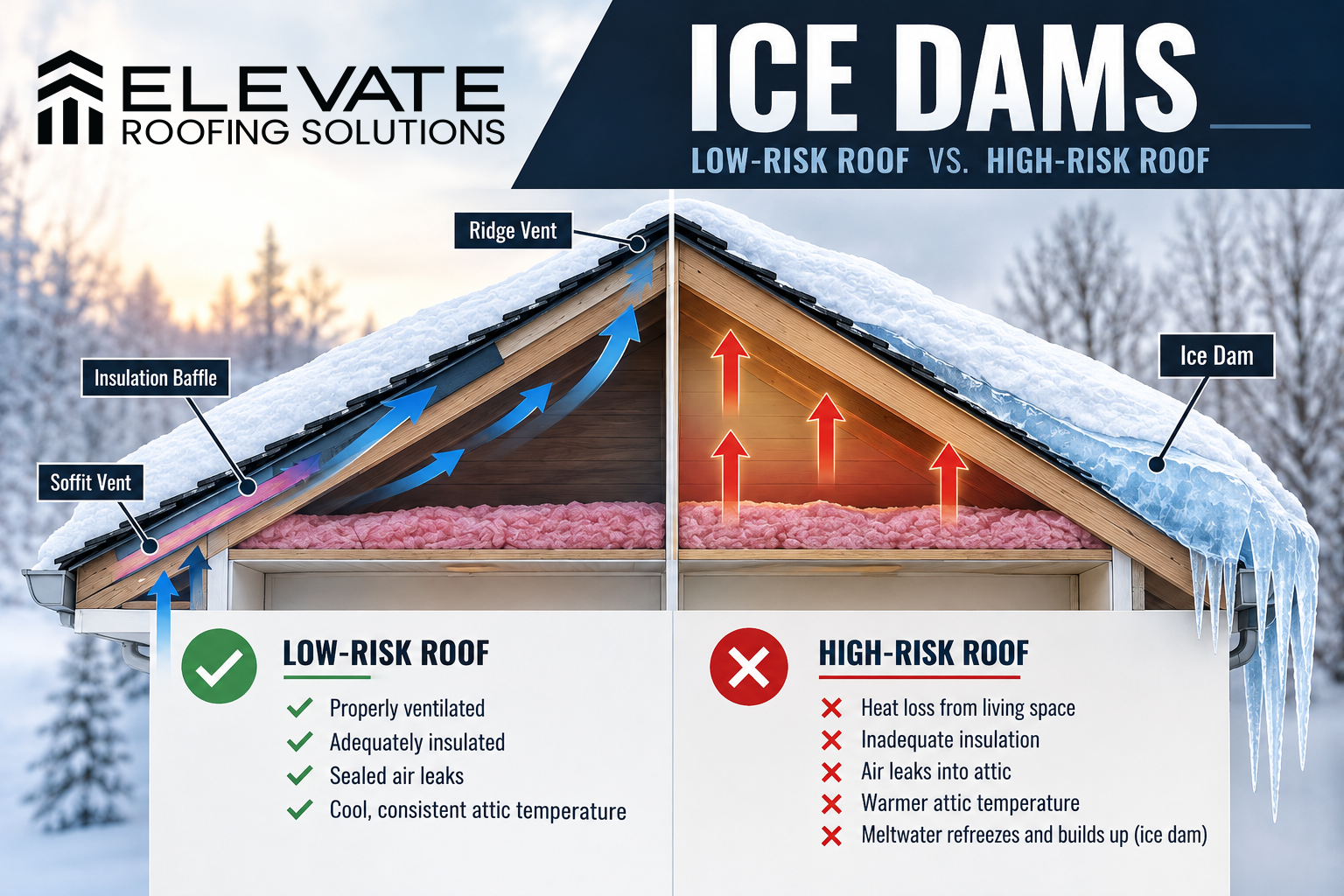
Ice dams are one of the most common winter roofing concerns in Minnesota.
They develop when snow melts on a warmer section of the roof and refreezes near the colder roof edges.
As ice accumulates, it can prevent additional meltwater from draining properly.
That trapped water may work its way beneath roofing materials and enter your home.
The University of Minnesota Extension explains how attic heat loss, insulation, and ventilation contribute to ice dam formation.
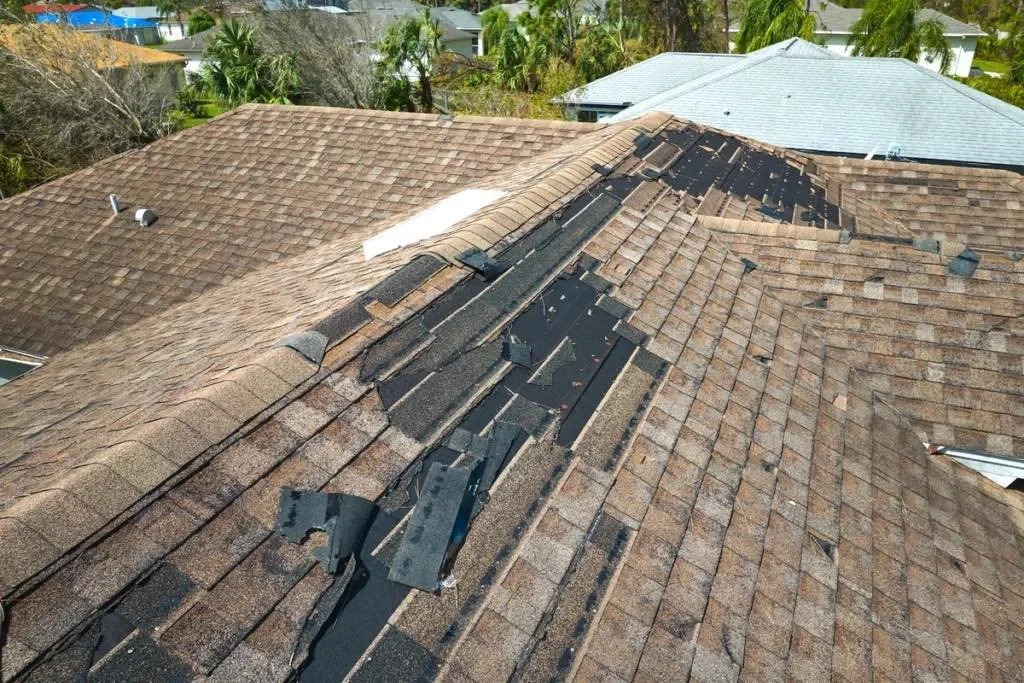
Damaged or Missing Shingles
Strong winter winds can loosen or damage shingles, leaving portions of your roof vulnerable to moisture.
If shingles were already worn or damaged before winter, freezing temperatures and snow may make existing problems more noticeable.
Flashing Problems
Roof flashing helps protect vulnerable areas around chimneys, skylights, vents, and roof intersections.
When flashing becomes loose, corroded, or damaged, melting snow and ice can find a pathway into your home.
Condensation in the Attic
Not every winter ceiling stain comes from an exterior roof leak.
Warm, humid indoor air can enter a cold attic, condense, and sometimes freeze on roof decking or other surfaces.
When temperatures rise, that frost can melt and resemble a roof leak.
A professional inspection can help distinguish between roof damage and attic moisture problems.
3. Cold Temperatures Can Affect Roofing Materials
One reason winter roof repairs require additional planning is that roofing materials behave differently in cold weather.
For example, asphalt shingles can become less flexible as temperatures drop.
Cold shingles may be more susceptible to cracking or damage when handled improperly.
The adhesive sealing strips on asphalt shingles may also take longer to activate during cold weather.
This can affect how quickly newly installed shingles develop their intended wind resistance.
Some roofing products require special cold-weather installation procedures, including approved sealing methods.
Manufacturers such as GAF provide product-specific installation instructions that roofing contractors should follow.
There is no single minimum installation temperature that applies to every roofing material or repair.
The appropriate approach depends on the product, manufacturer requirements, weather conditions, and roof design.
This is why working with an experienced roofing contractor is especially important during winter.
4. Emergency Roof Repairs May Be Necessary
If your roof starts leaking during a winter storm, waiting several months for spring isn't always an option.
Water intrusion can quickly damage ceilings, walls, insulation, electrical components, and personal belongings.
Depending on the situation, emergency roofing work may involve:
Identifying the source of the leak
Assessing storm or ice damage
Removing snow or ice when necessary and safe
Securing damaged roofing materials
Installing approved temporary weather protection
Completing localized repairs when conditions permit
Planning additional repairs for safer weather
Not every emergency requires a complete roof replacement.
Sometimes, a localized repair or temporary protective measure can reduce further damage until a permanent solution is possible.
What Should You Do If Your Roof Is Leaking?
If you notice an active leak:
Move furniture, electronics, and valuables away from the affected area.
Place a bucket or container beneath dripping water when safe.
Take photos of visible damage for your records.
Avoid entering areas with sagging ceilings or suspected structural damage.
Stay away from wet electrical fixtures and wiring.
Contact a professional roofing contractor.
If water is near electrical equipment or fixtures, keep clear and seek qualified assistance.
Never climb onto a snowy or icy roof to investigate a leak yourself.
Winter roof surfaces can be extremely slippery, even when they appear safe from the ground.
5. Ice Dam Removal Is Not the Same as Roof Repair
When homeowners discover water leaking near exterior walls or ceilings, ice dams are often a suspected cause.
However, removing an ice dam and repairing the underlying roofing problem are two different things.
Removing accumulated ice may help restore drainage and reduce ongoing water intrusion.
But it doesn't necessarily address the conditions that caused the ice dam to form.
For long-term prevention, homeowners may need to evaluate:
Attic insulation
Air leaks between living spaces and the attic
Roof ventilation
Bathroom and kitchen exhaust ducting
Roof drainage
Existing roofing and flashing conditions
The U.S. Department of Energy provides information about air sealing, which can help reduce unwanted heat movement into attic spaces.
Improving attic air sealing and insulation can help limit the heat loss that contributes to ice dam formation.
Should You Break Ice Off Your Roof?
No. Chipping or striking ice with a shovel, hammer, or other tool can damage shingles, gutters, and flashing.
It can also create serious injury risks.
If ice buildup is causing water intrusion, contact a professional who can evaluate safer removal methods.
For more information, read our blog: Ice Dams vs. Icicles: What's the Difference?.
6. Some Winter Roof Repairs May Be Temporary
Not every winter roofing problem can be permanently repaired immediately.
For example, extreme temperatures, snow accumulation, and hazardous roof conditions may prevent a contractor from safely completing certain repairs.
In those situations, temporary weather protection may be the best initial solution.
Temporary repairs can help reduce water intrusion while allowing homeowners to plan permanent repairs when conditions improve.
However, temporary fixes should not be mistaken for permanent roofing solutions.
A professional contractor should explain:
What caused the leak
Which repairs can be completed immediately
Whether temporary protection is necessary
What additional work may be required
When a permanent repair can be scheduled
Can You Replace Your Entire Roof in Winter?
In some cases, yes.
Winter roof replacement may be possible when conditions are suitable and the selected roofing materials can be installed according to manufacturer requirements.
However, roof replacement during winter often requires additional scheduling flexibility, weather monitoring, and installation precautions.
If your roof has widespread damage or has reached the end of its useful life, a roofing contractor can help determine whether repair or replacement is the better option.
7. Preventing Winter Roof Leaks Starts Before the First Snowfall
While winter roof repairs are possible, preventing problems is usually easier and less expensive than responding to an active leak.
Homeowners can take several steps to reduce the risk of winter roof damage.
Schedule a Roof Inspection
A professional roof inspection can identify damaged shingles, deteriorating flashing, and other potential trouble spots before winter weather arrives.
Keep Gutters Clear
Leaves, debris, and blocked downspouts can interfere with drainage.
Cleaning gutters before freezing weather helps ensure that rainwater and snowmelt have a clear path away from your home.
Check Attic Insulation and Air Sealing
Proper insulation and air sealing can reduce heat loss into the attic, helping limit conditions that contribute to ice dams.
Watch for Interior Warning Signs
Pay attention to:
Water stains on ceilings
Peeling paint near exterior walls
Damp attic insulation
Frost buildup inside the attic
Recurring icicles and ice buildup
Dripping water during winter thaws
Musty odors or visible moisture damage
These symptoms may indicate roofing, insulation, ventilation, or moisture problems that deserve professional attention.
Address Small Roofing Problems Early
A loose shingle or damaged flashing may seem minor during fall, but winter weather can make an existing problem worse.
Taking care of repairs before heavy snowfall can help prevent unexpected roofing emergencies.
Frequently Asked Questions About Winter Roof Repair
How Cold Is Too Cold to Repair a Roof?
There isn't one temperature limit for every roofing repair.
The answer depends on the roofing material, manufacturer instructions, weather conditions, and type of repair.
A qualified roofing contractor can determine whether the work can be completed safely and correctly.
Can Roof Shingles Be Replaced in Freezing Temperatures?
Sometimes. Asphalt shingles can be installed or replaced in cold weather when appropriate precautions are followed.
Cold-weather installation may require additional handling care and manufacturer-approved sealing procedures.
Will Homeowners Insurance Cover a Winter Roof Leak?
Coverage depends on your insurance policy and the cause of the damage.
Some sudden, covered events may qualify, while damage related to deterioration, neglected maintenance, or other exclusions may not.
Document the damage and contact your insurance provider to review your coverage.
Should I Wait Until Spring to Fix a Roof Leak?
Not without having the problem evaluated.
Even if permanent repairs must wait for better weather, temporary protection may help prevent additional damage.
An active leak should be addressed promptly.
Winter Roof Repair in Mankato, MN: Trust Elevate Roofing Solutions
Minnesota winters don't always cooperate with your home maintenance schedule.
When snow, ice, and freezing temperatures lead to roofing problems, knowing your options can help you protect your home.
At Elevate Roofing Solutions, we help homeowners throughout Mankato and Southern Minnesota evaluate roofing concerns, identify potential damage, and determine appropriate repair or replacement solutions.
Whether you're dealing with an active roof leak, damaged shingles, ice buildup, or questions about your roof's condition, professional guidance can help you decide what to do next.
The Bottom Line: Can You Repair a Leaking Roof in Winter?
Yes, many leaking roofs can be repaired during winter. However, the best solution depends on the weather, roof conditions, materials, and extent of the damage.
Some repairs can be completed immediately, while others may require temporary protection until permanent work can be performed safely.
The most important thing is to take winter roof leaks seriously.
Ignoring a small leak today could lead to more extensive damage tomorrow.
Have a roof leak or concerns about winter roof damage?
Contact Elevate Roofing Solutions to discuss your roofing needs and learn more about repair and replacement options in Mankato and Southern Minnesota.