
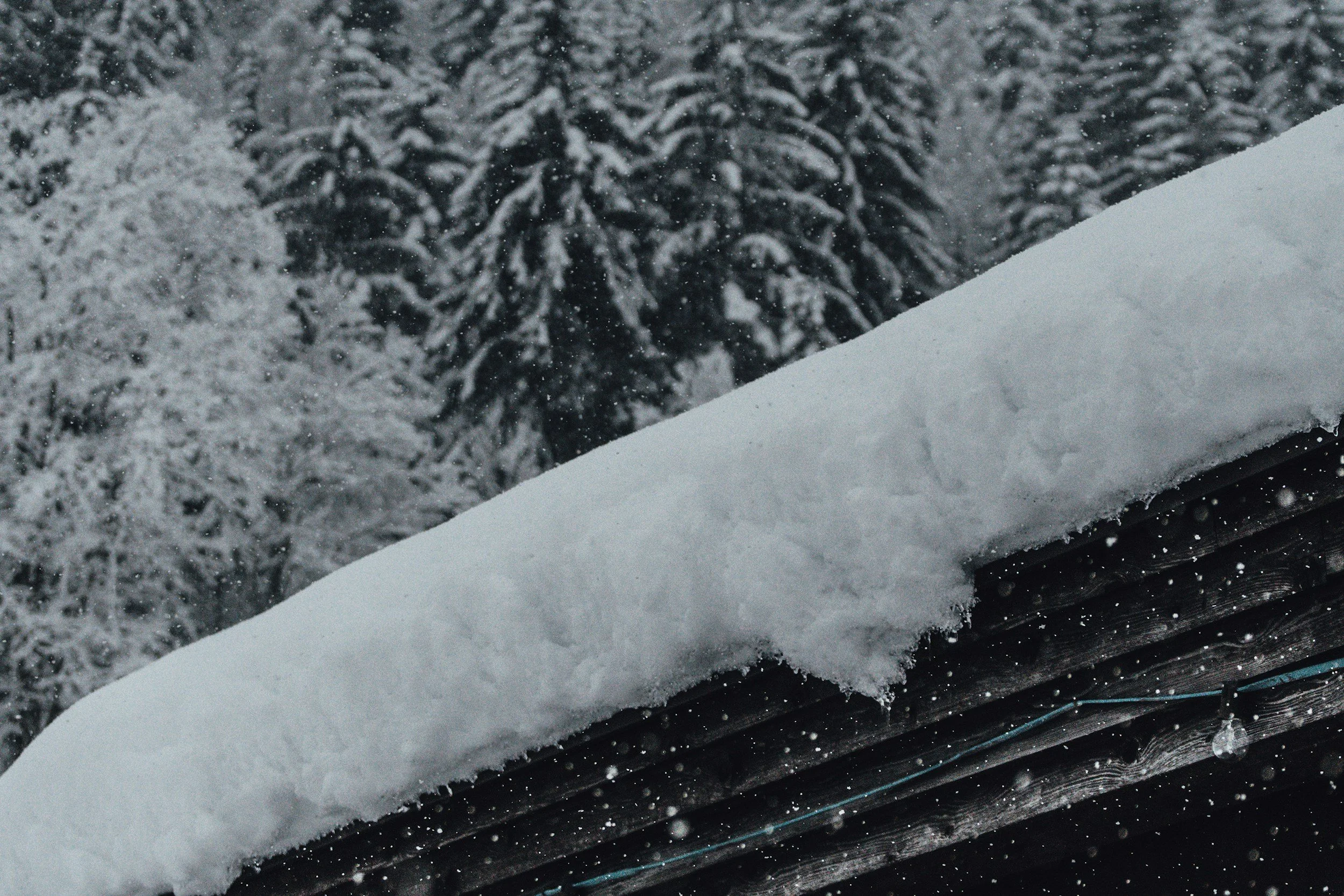
Winter in Minnesota can be beautiful, but it can also be tough on your roof. Between heavy snowfall, freezing temperatures, ice buildup, and repeated freeze-thaw cycles, your roofing system works overtime to protect your home.
Unfortunately, winter roof damage isn't always easy to spot. A small leak, an ice dam, or a few damaged shingles can turn into bigger problems if left unaddressed.
So, how do you know whether your roof is holding up against Minnesota's winter weather?
Understanding the early warning signs can help you identify potential problems, prevent additional damage, and know when it's time to schedule a professional roof inspection.
Here are seven warning signs of winter roof damage you shouldn't ignore, especially if you own a home in Mankato or Southern Minnesota.
1. Ice Dams Forming Along Your Roofline
One of the most recognizable signs of winter roofing problems is an ice dam.
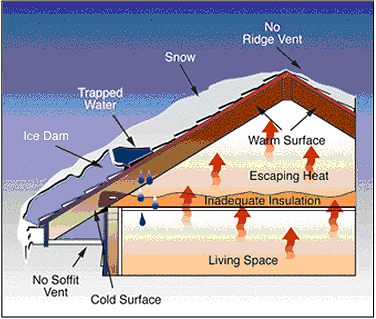
Ice dams form when snow melts on a warmer section of the roof and refreezes near colder roof edges. As ice accumulates, it can prevent melting snow from draining properly.
Water may then back up beneath roofing materials and enter the home.
According to the University of Minnesota Extension, ice dams are often connected to heat loss, attic air leakage, and inadequate insulation or ventilation.
Warning Signs of Ice Dam Damage
Thick ridges of ice along roof edges
Large icicles hanging from gutters
Water stains near exterior walls
Peeling paint around ceilings
Moisture appearing inside the attic
Ice buildup around gutters and downspouts
Not every icicle means you have an ice dam, but repeated ice buildup deserves attention.
What should you do?
Avoid chipping ice off shingles with sharp tools or attempting to climb onto an icy roof.
Instead, have the cause evaluated. Long-term prevention may involve improving attic air sealing, insulation, ventilation, and roof drainage.
2. Water Stains on Ceilings or Walls
Have you noticed a yellow or brown stain appearing on your ceiling during winter?
That could be an early indication of a roof leak.
Water stains often appear around:
Ceilings
Exterior walls
Attic access points
Skylights
Chimneys
Roof penetrations
Winter roof leaks may be associated with ice dams, damaged flashing, deteriorated shingles, or other vulnerable roofing areas.
Sometimes water travels along framing or insulation before becoming visible inside the home, meaning the stain may not be directly beneath the source of the leak.
Why You Shouldn't Ignore Water Stains
Even a small amount of recurring moisture can damage drywall, insulation, wood, and interior finishes.
If moisture remains trapped, it can also create conditions that support mold growth.
The U.S. Environmental Protection Agency emphasizes that controlling moisture is essential for preventing mold problems.
What should you do?
Document the affected area, protect belongings from water, and contact a roofing professional to investigate the source.
Don't assume the problem will disappear when temperatures rise.
3. Missing, Cracked, or Lifted Shingles
Minnesota winters bring snow, ice, strong winds, and temperature fluctuations that can expose weaknesses in aging roofing materials.
Asphalt shingles may become damaged through weather exposure, wind uplift, or other stresses.
After a winter storm, you might notice:
Missing shingles
Lifted shingle edges
Cracked shingles
Loose roofing materials
Exposed areas of the roof
Roofing debris in the yard
These issues can leave portions of the roofing system more vulnerable to moisture.
The Insurance Institute for Business & Home Safety (IBHS) researches how severe weather affects homes and offers guidance on improving roof performance against wind and other hazards.
Can You Repair Damaged Shingles in Winter?
Sometimes.
Whether a winter roof repair is possible depends on the temperature, roof conditions, roofing material, manufacturer requirements, and the extent of the damage.
Cold weather can affect the flexibility of asphalt shingles and the performance of sealant strips, making proper installation techniques especially important.
What should you do?
If you see missing or damaged shingles, schedule a professional inspection rather than waiting until spring.
A roofing contractor can determine whether a temporary repair, permanent repair, or larger roofing project is appropriate.
4. Excessive Snow Accumulation or a Sagging Roofline
Snow is a normal part of Minnesota winters, but excessive accumulation can create concerns for some roofing systems.
The amount of weight a roof can safely support depends on its structural design, condition, snow density, drifting, and other factors.
Wet, compacted snow can weigh substantially more than the same depth of light, fluffy snow.
According to the Federal Emergency Management Agency (FEMA), snow accumulation and drifting can create structural hazards when loads exceed a building's capacity.
Signs of Potential Snow Load Problems
Watch for:
A visibly sagging roofline
New or widening cracks in walls or ceilings
Unusual creaking or popping sounds
Doors or windows suddenly becoming difficult to open
Significant snow drifting on one section of the roof
Visible changes in roof structure
A sagging roofline or signs of structural distress should be treated as urgent.
Move away from the affected area, avoid entering potentially unsafe spaces, and contact qualified professionals. If collapse appears imminent, leave the building and contact emergency services.
Should You Remove Snow From Your Roof?
Not every roof requires snow removal.
Removing snow improperly can damage shingles, gutters, flashing, and other components. Working on a snowy or icy roof also creates serious fall hazards.
The safest approach is to have a qualified professional evaluate concerning snow accumulation rather than attempting to remove it yourself.
5. Water Backing Up Around Gutters and Downspouts
Gutters play an important role in directing water away from your home.
During winter, snowmelt can refreeze inside gutters and downspouts, blocking drainage.
When water cannot move away from the roof properly, it may collect near roof edges or spill over the gutter system.
Signs of Frozen Gutter Problems
Large ice formations along gutters
Water overflowing during warmer winter days
Gutters pulling away from fascia
Frozen downspouts
Water stains near the roof edge
Ice collecting around the home's foundation
Clogged gutters can make winter drainage problems worse, especially when leaves and debris were not removed before temperatures dropped.
How to Help Prevent Winter Gutter Damage
Before winter arrives:
Remove leaves and debris
Inspect gutters for loose sections
Check downspouts for blockages
Make sure water drains away from the foundation
Address damaged fascia or gutter attachments
During winter, avoid striking frozen gutters or using sharp tools to break apart ice.
If the buildup is extensive, contact a qualified professional.
6. Frost or Condensation Inside Your Attic
Not all winter moisture problems begin with a hole in the roof.
Sometimes the problem starts inside the home.
Warm, moist indoor air can escape into a cold attic through gaps around ceiling fixtures, attic access openings, plumbing penetrations, and other areas.
When that moisture reaches cold surfaces, condensation or frost may develop.
Signs of Attic Moisture Problems
Frost on roof decking
Damp attic insulation
Water droplets on framing
Musty odors
Darkened wood surfaces
Moisture appearing during temperature changes
The U.S. Department of Energy explains that air sealing can help reduce unwanted air movement and moisture transfer through the building envelope.
Why Attic Condensation Matters
Excessive attic moisture can affect insulation performance and contribute to deterioration of wood and other building materials.
It can also be confused with an actual roof leak.
Determining the source matters because replacing shingles won't solve a moisture problem caused primarily by indoor air leakage.
What should you do?
Have the attic and roofing system evaluated to determine whether the moisture is coming from roof leakage, condensation, or a combination of problems.
Proper air sealing, insulation, and ventilation may be part of the solution.
7. Roof Leaks That Appear During Thawing Temperatures
Have you ever noticed a roof leak only when temperatures climb above freezing?
This can happen when accumulated snow or ice begins to melt.
Water may find its way through damaged shingles, vulnerable flashing, open seams, or other weak points in the roofing system.
A roof that appears dry during extremely cold weather may begin leaking when snowmelt increases.
Common Areas Where Winter Roof Leaks Develop
Around chimneys
Near skylights
At roof valleys
Along roof edges
Around plumbing vents
Near damaged flashing
Beneath areas affected by ice dams
A leak that appears only during a thaw is still a leak that needs attention.
What Should You Do If Your Roof Leaks During Winter?
Start by protecting the interior of your home.
Move belongings away from the affected area, collect dripping water when safe, and document visible damage.
If water is near electrical fixtures or outlets, avoid the area and seek qualified assistance.
Then contact a roofing professional to identify the source and determine the appropriate repair.
Can Winter Roof Damage Wait Until Spring?
Sometimes minor roofing maintenance can be scheduled for warmer weather, but active leaks, missing shingles, significant ice dams, and structural concerns should not be ignored.
Delaying an inspection may allow additional moisture to enter the roofing system.
Depending on the problem and weather conditions, a contractor may recommend an immediate repair, temporary protection, or a permanent solution when conditions allow.
The important thing is to understand the condition of your roof before assuming the problem can wait.
How to Help Prevent Winter Roof Damage in Minnesota
While you can't control Minnesota's weather, proactive maintenance can help reduce the risk of winter roofing problems.
Schedule a Roof Inspection Before Winter
A professional roof inspection can identify damaged shingles, flashing problems, vulnerable penetrations, and other concerns before heavy snowfall arrives.
Keep Gutters Clear
Remove leaves, branches, and debris to help gutters and downspouts drain properly.
Address Attic Air Leakage
Air sealing and appropriate insulation can help reduce the conditions that contribute to ice dams and attic condensation.
Monitor Your Roof After Major Storms
After heavy snow, high winds, or significant ice accumulation, look for visible changes from a safe location on the ground.
Don't Ignore Small Leaks
A small water stain or occasional drip may be an early warning sign of a larger issue.
Taking action early can help prevent more extensive damage.
Winter Roof Repair in Mankato and Southern Minnesota
Winter weather can be especially demanding on residential roofs throughout Mankato and Southern Minnesota.
From ice dams and snow accumulation to damaged shingles and winter roof leaks, roofing problems can develop quickly when temperatures fluctuate.
At Elevate Roofing Solutions, we understand the importance of protecting your home through Minnesota's changing seasons.
Whether you've noticed water stains, missing shingles, ice buildup, or another potential roofing problem, a professional inspection can help determine the condition of your roof and the next steps.
Not every winter roofing issue requires a complete roof replacement. Depending on the condition of the system, targeted repairs or preventative maintenance may be appropriate.
Don't Ignore the Warning Signs of Winter Roof Damage
Your roof protects much more than the structure of your home. It helps safeguard your family, belongings, insulation, and interior living spaces.
Recognizing the seven warning signs of winter roof damage can help you take action before small problems become more expensive repairs.
If you're noticing ice dams, water stains, damaged shingles, attic frost, or leaks during winter thaws, don't wait for the damage to get worse.
Contact Elevate Roofing Solutions to schedule a roof inspection in Mankato or Southern Minnesota. Our team can help evaluate your roofing system and determine whether maintenance, repair, or replacement is the right next step for your home.