
Storm Damage Roofing Repair in Southern Minnesota: What Property Owners Need to Know
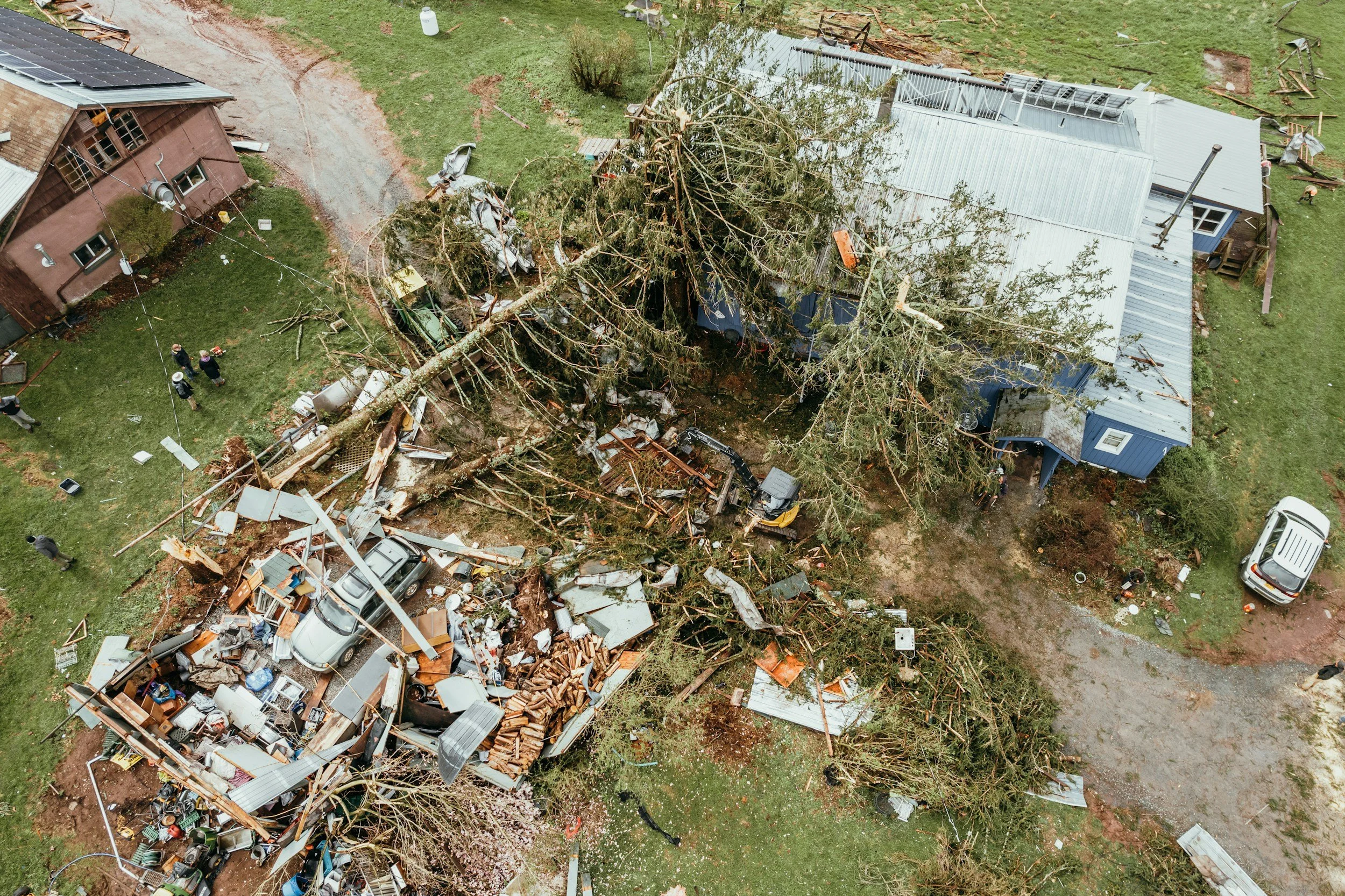
Storms in Southern Minnesota can be unpredictable and severe. From high winds and hail to heavy rain and rapid temperature changes, commercial roofs often bear the brunt of extreme weather. When damage occurs, fast action is critical to protect your building, tenants, and long-term investment.
If you're facing storm damage, understanding the repair process and knowing what to expect can help you respond with confidence.
Inside the Blog:
Common Types of Storm Damage to Commercial Roofs
Signs Your Commercial Roof May Have Storm Damage
Why Immediate Storm Damage Roofing Repair Matters
The Storm Damage Roof Repair Process
Cost of Storm Damage Roofing Repair in Southern Minnesota
Schedule a Storm Damage Roof Inspection Today
Common Types of Storm Damage to Commercial Roofs
Storm damage isn’t always obvious from the ground. Even minor-looking issues can quickly escalate into major structural problems. Here are the most common types of storm-related roofing damage seen in Southern Minnesota:
1. Wind Damage
High winds can:
Lift membrane seams
Tear flashing from edges and penetrations
Dislodge rooftop equipment covers
Cause uplift damage to flat roofing systems
In severe cases, wind can partially remove sections of roofing material, exposing insulation and decking.
2. Hail Damage
Hailstorms are common throughout Minnesota, especially in spring and summer. Hail can:
Puncture TPO, EPDM, or PVC membranes
Crack seams
Damage protective coatings
Dent metal roofing panels
Even small punctures can allow water infiltration that leads to mold, insulation saturation, and interior damage.
3. Heavy Rain and Standing Water
Flat and low-slope commercial roofs are particularly vulnerable to ponding water after heavy rainfall. Over time, standing water can:
Weaken seams
Accelerate membrane deterioration
Add excess weight to the structure
Increase leak risk
Proper drainage is critical in preventing long-term issues.
4. Ice and Freeze-Thaw Cycles
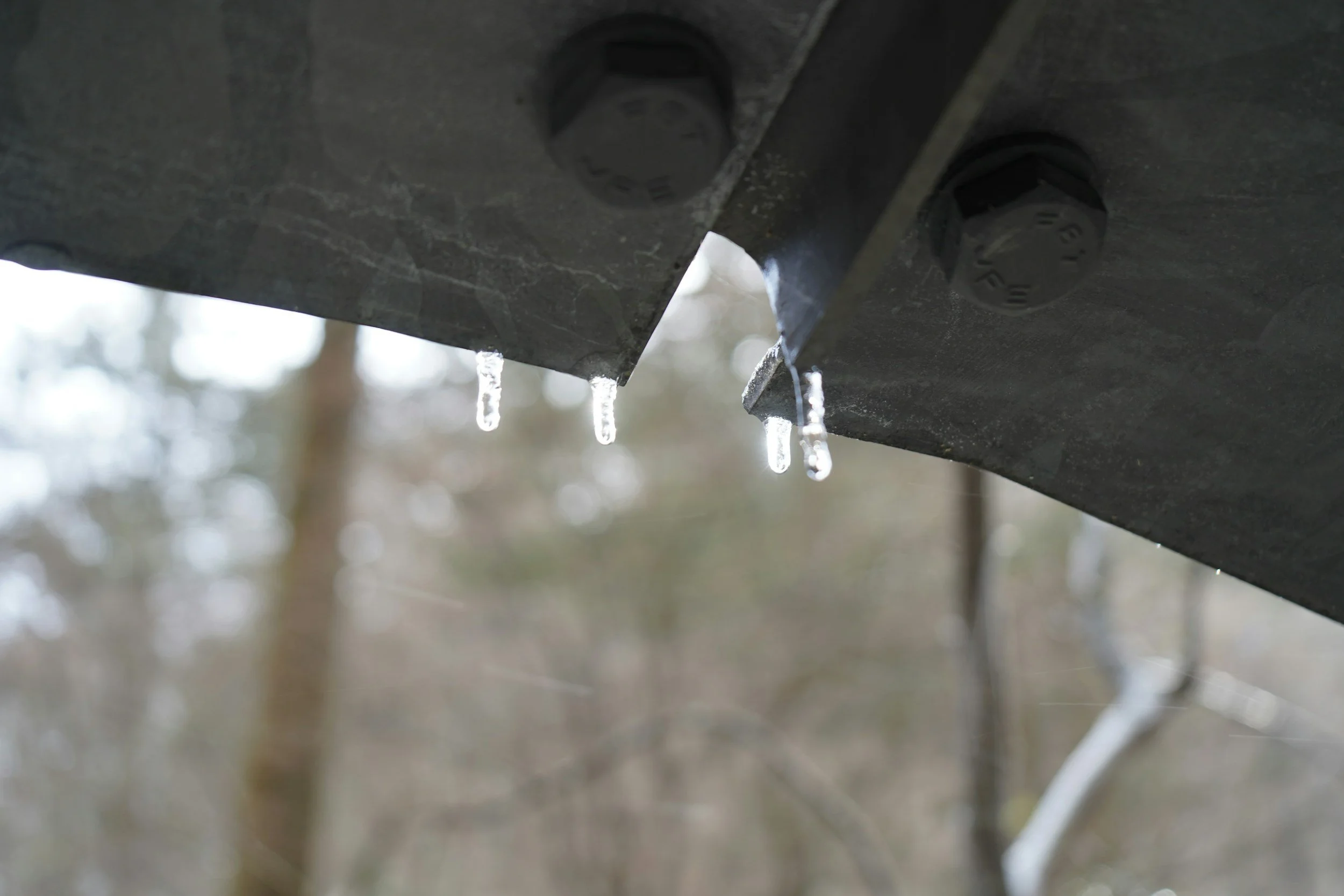
Southern Minnesota’s winters create unique roofing challenges. Ice dams, freeze-thaw expansion, and snow loads can:
Force water under flashing
Stress membrane seams
Crack roofing materials
Damage insulation layers
Winter damage often becomes visible during spring thaws.
Signs Your Commercial Roof May Have Storm Damage
After a major storm, property owners should look for:
Water stains on ceilings
Dripping or active leaks
Loose roofing material around the building perimeter
Visible membrane bubbles or blisters
Increased energy bills due to insulation damage
Even if no interior leaks are present, it’s important to schedule a professional inspection. Hidden damage is common.
Why Immediate Storm Damage Roofing Repair Matters
Delaying repairs can turn minor issues into expensive replacements. Water infiltration can:
Damage structural decking
Compromise insulation performance
Create mold growth
Disrupt tenant operations
Increase liability risks
Fast response protects both your building and your bottom line.
The Storm Damage Roof Repair Process
Understanding the repair process helps you make informed decisions.
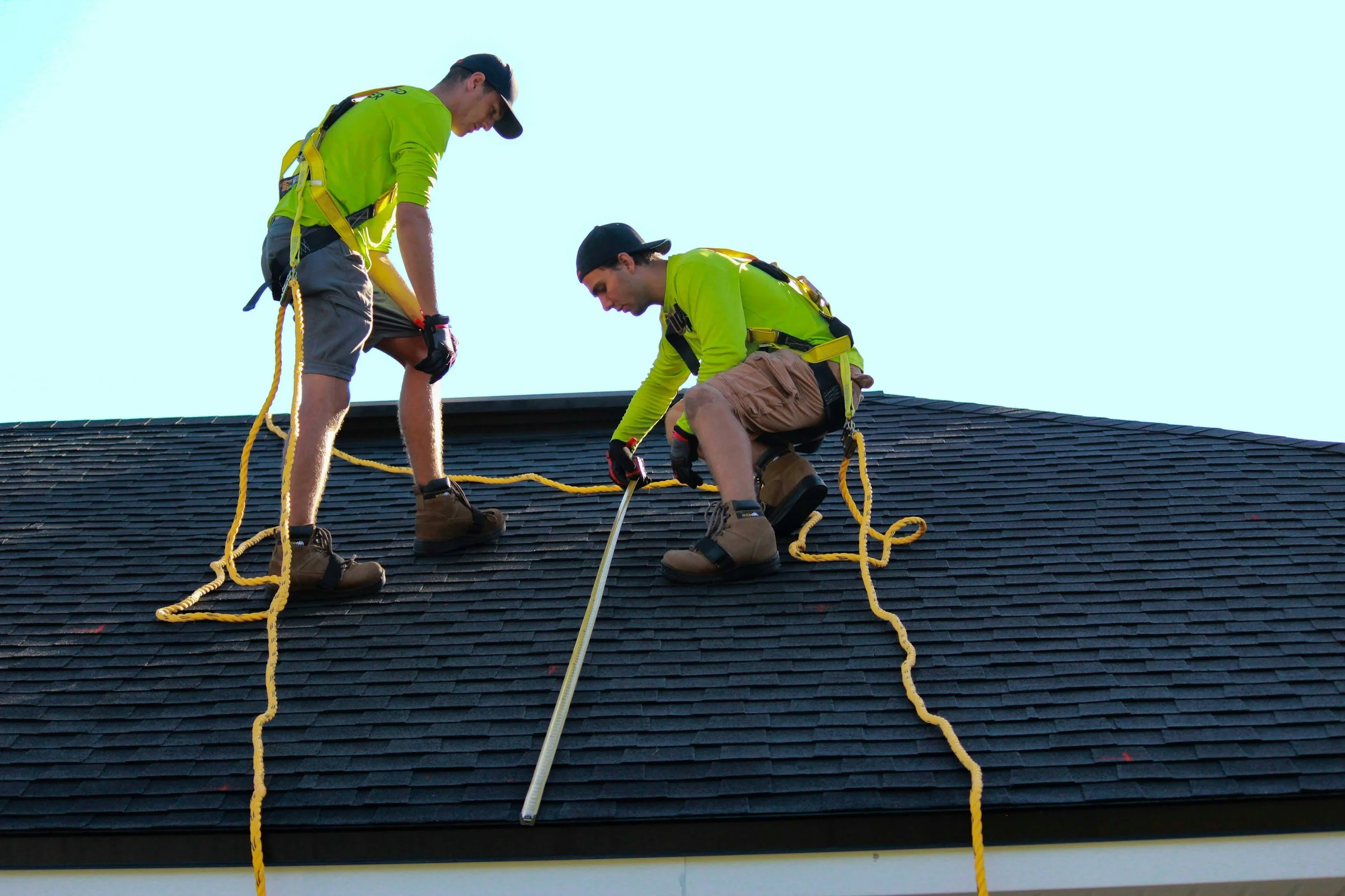
Step 1: Professional Roof Inspection
A commercial roofing specialist will assess:
Membrane integrity
Flashing and seams
Drainage systems
Insulation condition
Structural components
Detailed documentation, including photos, is essential — especially if insurance claims are involved.
Step 2: Temporary Protection (If Needed)
If active leaks are present, emergency tarping or temporary repairs may be installed to prevent further water intrusion.
Step 3: Insurance Coordination
Storm damage is often covered by commercial property insurance policies. A roofing contractor experienced in storm damage can:
Provide inspection reports
Document damage clearly
Assist with claim communication
Provide accurate repair estimates
Working with professionals streamlines the claims process.
Step 4: Permanent Repairs
Repairs may include:
Patching punctured membrane sections
Replacing damaged insulation
Re-securing flashing
Installing new roofing sections
Reinforcing seams
In severe cases, partial or full roof replacement may be necessary.
Repair vs. Replacement: How to Decide
Not every storm-damaged roof needs full replacement. The decision depends on:
Age of the roof
Extent of damage
Condition prior to storm
Insurance coverage
Long-term capital planning
If a roof is already nearing the end of its lifespan, replacement may be more cost-effective than repeated repairs.
Storm Damage and Commercial Roofing Systems
Different roofing systems respond differently to storm conditions.
TPO Roofing
It can be punctured by hail but is generally resilient when properly installed.
EPDM Roofing
Flexible and performs well in temperature swings, but is susceptible to impact damage.
PVC Roofing
Strong seams and a durable surface offer good storm resistance.
Metal Roofing
Excellent for shedding snow and resisting wind, but may dent during hailstorms. Understanding your existing system helps determine the right repair strategy.
Preventative Measures to Reduce Future Storm Damage
While storms can’t be prevented, damage can often be minimized through proactive maintenance.
Schedule Routine Inspections
Twice-yearly inspections help identify vulnerabilities before severe weather hits.
Maintain Drainage Systems
Clearing debris from drains and scuppers prevents ponding water.
Secure Rooftop Equipment
Properly anchored HVAC units and equipment reduce wind-related damage.
Invest in Reinforced Systems
Upgrading flashing and seam reinforcement improves storm resistance.
Preventive maintenance often reduces long-term roofing costs.
Why Southern Minnesota Property Owners Need Local Expertise
Roofing in Southern Minnesota requires an understanding of:
Regional storm patterns
Snow load requirements
Building codes
Seasonal repair timing
Local commercial roofing specialists understand the unique challenges of the Midwest climate and can recommend solutions that last.
Cost of Storm Damage Roofing Repair in Southern Minnesota
Repair costs vary widely depending on severity:
Minor membrane patching: $500–$2,500
Moderate repairs: $3,000–$15,000
Major section replacement: $20,000+
Full roof replacement may range from $6–$15 per square foot depending on system and scope.
Prompt inspections can often reduce overall costs by catching issues early.
Protecting Your Investment After the Storm
Storm damage can feel overwhelming — especially for commercial property owners managing tenants and operations. The key is fast, professional evaluation and strategic repair planning.
Ignoring storm damage can shorten roof lifespan and increase long-term capital expenses. Acting quickly preserves your building’s structural integrity and protects the people inside.
Schedule a Storm Damage Roof Inspection Today
If your commercial property in Southern Minnesota has experienced severe weather, don’t wait for leaks to appear.
Elevate Roofing Solutions provides professional storm damage inspections, repair planning, and commercial roofing solutions designed for Minnesota’s climate.
Contact Elevate Roofing Solutions today to schedule a storm damage roof evaluation and protect your building from further damage.