
Best Roofing Options for Office Buildings: A Guide for Property Owners
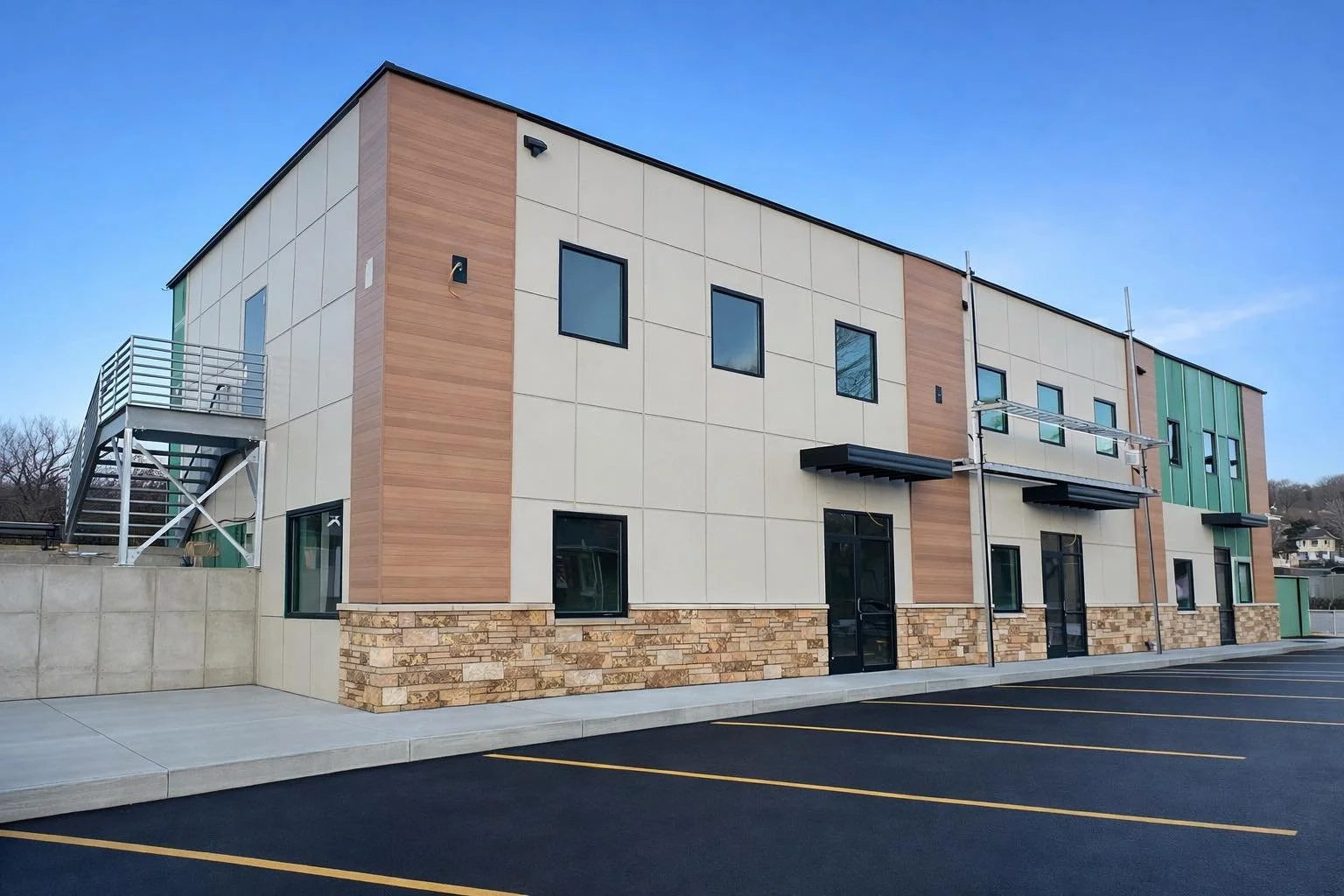
830 N. Broad Street | Mankato, MN
Choosing the best roofing system for an office building is one of the most important long-term decisions a property owner or facility manager can make. Your roof does more than protect the structure — it impacts energy efficiency, tenant comfort, maintenance costs, and long-term asset value.
If you're evaluating the best roofing options for office buildings, this guide breaks down the most effective commercial roofing systems, their advantages, and how Minnesota’s climate influences the right choice.
Inside the Blog:
Why Roofing Matters for Office Buildings
1. TPO Roofing: A Leading Choice for Office Buildings
2. EPDM Roofing: Durable and Flexible in Cold Climates
3. PVC Roofing: Ideal for High-Performance Needs
4. Standing Seam Metal Roofing: Premium Durability
5. Modified Bitumen: Multi-Layer Protection
Final Thoughts: What Is the Best Roofing Option for Your Office Building?
Why Roofing Matters for Office Buildings
Office buildings require roofing systems that deliver:
Long-term durability
Energy efficiency
Low maintenance needs
Minimal disruption during installation
Strong warranties
Professional aesthetics
Unlike warehouses or industrial buildings, office spaces often house tenants, sensitive electronics, meeting rooms, and climate-controlled environments. Roofing failures can quickly disrupt business operations and damage interior finishes.
Selecting the right system is not just about cost, it’s about lifecycle value.

1. TPO Roofing: A Leading Choice for Office Buildings
TPO (Thermoplastic Polyolefin) is one of the most popular roofing systems for commercial office buildings.
Why TPO Works Well for Offices
Highly reflective white surface improves energy efficiency
Resistant to UV exposure and chemical buildup
Strong seam performance
Cost-effective installation
Lightweight system compatible with most structures
In Minnesota, where summers can be warm, and winters are extreme, TPO helps regulate interior temperatures while standing up to freeze-thaw cycles.
Cost Range
Typically $6–$10 per square foot, depending on insulation and roof complexity.
TPO is often ideal for flat or low-slope office roofs and is commonly used in professional office parks.
2. EPDM Roofing: Durable and Flexible in Cold Climates
EPDM (Ethylene Propylene Diene Monomer), often referred to as rubber roofing, is known for its flexibility and cold-weather performance.
Why EPDM Is a Strong Option
Performs well in extreme temperature swings
Excellent resistance to cracking in freezing conditions
Long lifespan when properly maintained
Simple repair process
Because Minnesota experiences significant seasonal expansion and contraction, EPDM’s flexibility is a major advantage.
Cost Range
Generally $7–$11 per square foot.
EPDM is often chosen for office buildings prioritizing durability over reflectivity.
3. PVC Roofing: Ideal for High-Performance Needs
PVC roofing systems are known for their strength and resistance to chemicals and moisture.
Benefits for Office Buildings
Exceptional seam strength
High resistance to standing water
Durable under heavy mechanical traffic
Reflective surface for energy savings
PVC is often selected for office buildings that include rooftop equipment, kitchens, or facilities that produce exhaust contaminants.
Cost Range
Typically $8–$13 per square foot.
While slightly more expensive upfront, PVC can provide strong long-term value.
4. Standing Seam Metal Roofing: Premium Durability
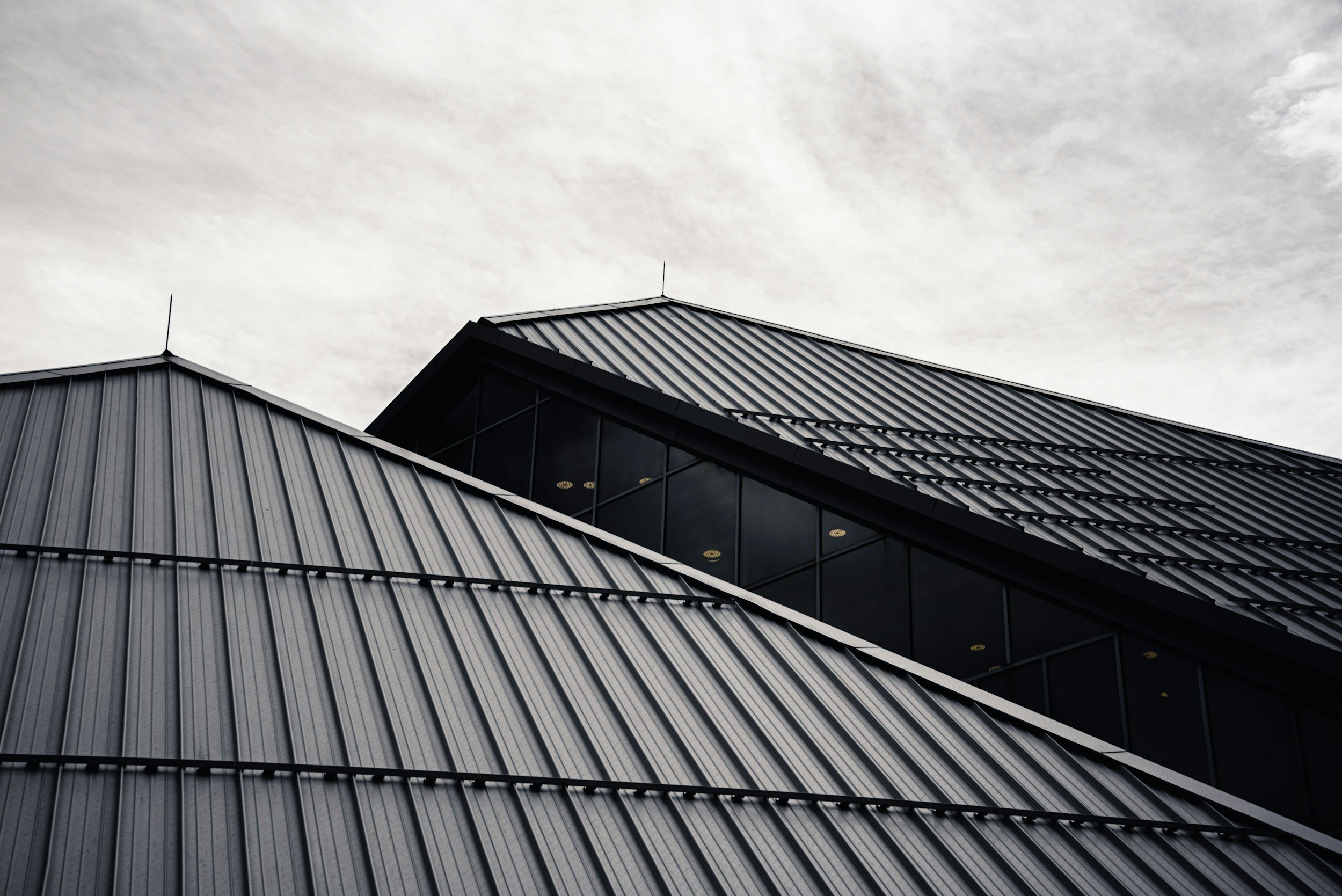
For sloped office buildings or high-visibility properties, standing seam metal roofing offers unmatched longevity and curb appeal.
Why Office Owners Choose Metal
40–60 year lifespan
Strong resistance to snow and wind
Excellent shedding of snow and ice
Modern, professional aesthetic
Metal roofing performs extremely well in Minnesota’s heavy snow seasons. Snow slides off more easily than on flat membrane systems, reducing load stress.
Cost Range
Typically $12–$18+ per square foot.
Though it requires a higher upfront investment, metal roofing provides outstanding lifecycle value.
5. Modified Bitumen: Multi-Layer Protection
Modified bitumen roofing systems offer multi-ply protection, making them durable and reliable.
Advantages
Strong waterproofing performance
Layered redundancy
Good puncture resistance
Time-tested system
Modified bitumen is a solid choice for office buildings with moderate traffic and budget-conscious capital plans.
Cost Range
Usually $7–$12 per square foot.
Climate Considerations for Minnesota Office Buildings
Minnesota presents unique challenges for commercial roofing systems:
Heavy snow loads
Ice dams and freeze-thaw cycles
Wind uplift concerns
Large temperature swings
Roofing systems must be properly insulated and engineered to meet structural load requirements. High R-value insulation is especially important for office buildings to maintain comfort and reduce heating costs during the winter months.
Proper drainage is also critical. Standing water can shorten roof lifespan, so tapered insulation and engineered slope design matter.
Energy Efficiency: A Major Factor for Office Buildings
Energy costs are a significant operating expense for office properties. Reflective roofing systems such as TPO and PVC can reduce cooling loads in summer.
Insulation thickness and proper air sealing also contribute to:
Lower utility bills
Increased tenant comfort
Reduced HVAC strain
Improved sustainability ratings
Investing in energy-efficient roofing often yields significant long-term savings.
Roof Replacement vs. Roof Restoration for Offices
Not every office building requires full replacement. In some cases, restoration systems can extend roof life.
Roof replacement is typically recommended if:
The roof is at or beyond its service life
Insulation is saturated
Structural decking is compromised
Leaks are widespread
A professional inspection determines the best financial decision.
What to Consider When Choosing the Best Roofing Option
When evaluating the best roofing system for your office building, consider:
Building design (flat vs. sloped)
Budget and capital planning
Long-term maintenance expectations
Energy performance goals
Climate demands
Tenant occupancy and disruption tolerance
The lowest upfront cost is rarely the best long-term solution.
Lifespan Comparison of Common Office Roofing Systems
| Roofing System | Average Lifespan |
|---|---|
| TPO | 20–30 years |
| EPDM | 20–30 years |
| PVC | 25–30 years |
| Modified Bitumen | 20–25 years |
| Metal Roofing | 40–60 years |
Choosing a longer-lasting system may provide better long-term return on investment.
Why Work with a Commercial Roofing Specialist?
Office buildings require strategic planning, careful scheduling, and clear communication to minimize disruption.
Working with an experienced commercial roofing contractor ensures:
Accurate cost forecasting
Code compliance
Climate-appropriate system selection
Quality installation
Strong manufacturer warranties
In Minnesota, local expertise makes a measurable difference.
Final Thoughts: What Is the Best Roofing Option for Your Office Building?
There is no universal “best” roofing system for every office building. The ideal solution depends on your building structure, performance goals, budget, and long-term strategy.
For many Minnesota office properties:
TPO offers strong value and energy efficiency
EPDM provides cold-weather durability
PVC delivers premium performance
Metal roofing offers unmatched longevity
The key is selecting the system that aligns with your building’s needs — not just today, but for decades ahead.
Ready to Evaluate Your Office Building Roof?
If you're considering a commercial roof replacement or evaluating the best roofing option for your office building, Elevate Roofing Solutions can help you assess your property and develop a long-term plan.
Contact Elevate Roofing Solutions today to schedule a professional roof evaluation and explore the right system for your office building.