
Signs Your Ridge Cap Shingles Need Replacement
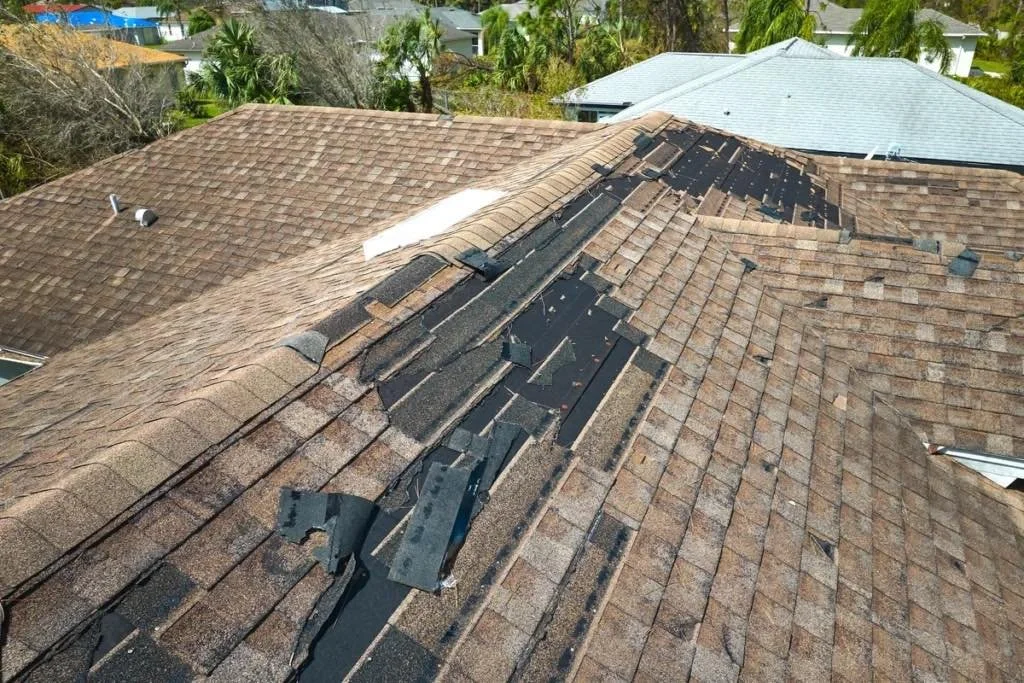
Your roof is designed to protect your home from everything Minnesota weather can throw at it, from heavy snow and ice to hailstorms and high winds. While homeowners often focus on missing shingles or visible leaks, one critical roofing component is frequently overlooked: ridge cap shingles.
Damaged ridge cap shingles can compromise your entire roofing system if left untreated. Positioned along the highest points of your roof, ridge caps play an essential role in ventilation, waterproofing, and wind protection. When they begin to fail, the effects can spread quickly throughout the rest of the roof.
In this guide, we’ll explain the most common signs your ridge cap shingles need replacement, what causes ridge cap damage, and why prompt repairs are important for protecting your home.
Inside the blog:
What Are Ridge Cap Shingles?
Why Damaged Ridge Cap Shingles Matter
How Minnesota Weather Accelerates Ridge Cap Damage
Protect Your Roof Before Damage Spreads
Which Roof Is Better for Your Home?
Schedule a Roof Inspection with Elevate Roofing Solutions
What Are Ridge Cap Shingles?
Ridge cap shingles are specialized shingles installed along the ridges and peaks of your roof. Unlike standard field shingles, ridge caps are specifically designed to bend over roof ridges while providing additional durability and weather resistance.
Their job is to:
Seal the roof peak against water intrusion
Protect roof ventilation systems
Resist wind uplift
Improve roof aesthetics
Prevent premature wear along vulnerable roof edges
Because ridge cap shingles sit at the highest and most exposed areas of the roof, they experience some of the harshest weather conditions year-round.
According to the National Roofing Contractors Association (NRCA), roof ridges are among the most vulnerable areas for wind-related roofing failures.
Why Damaged Ridge Cap Shingles Matter
Damaged ridge cap shingles may seem minor at first, but they can quickly lead to larger roofing issues, including:
Roof leaks
Moisture infiltration
Mold growth
Attic ventilation problems
Increased energy costs
Ice dam formation
Structural roof damage
Ignoring early warning signs can lead to costly repairs or even premature roof replacement.
1. Cracked or Splitting Ridge Cap Shingles
One of the most common signs of damaged ridge cap shingles is visible cracking or splitting.
Over time, exposure to:
UV rays
Temperature fluctuations
Freeze-thaw cycles
Strong winds
can cause ridge caps to dry out and become brittle.
Minnesota’s extreme seasonal swings are especially hard on roofing materials. Cracked ridge cap shingles allow water to penetrate beneath the roofing system, increasing the risk of leaks and wood rot.
What to Look For:
Horizontal or vertical cracks
Curling edges
Pieces breaking away
Brittle or flaky shingles
If you notice cracking, it’s important to schedule a professional roof inspection before the damage worsens.
2. Missing Ridge Cap Shingles
High winds are one of the leading causes of damaged ridge cap shingles.
Because ridge caps sit at the highest point of the roof, they are more exposed to wind uplift than standard shingles. During severe storms, improperly installed or aging ridge caps may loosen or blow off entirely.
Missing ridge caps create direct openings for moisture and debris to enter your roofing system.
Common Causes:
Windstorms
Improper nail placement
Aging adhesive strips
Poor installation practices
Storm-related uplift
The Federal Emergency Management Agency (FEMA) notes that roof edges and ridges are among the first areas affected during wind events.
If you notice pieces of shingles in your yard after a storm, your ridge caps may need immediate replacement.
3. Visible Leaks or Water Stains in the Attic
Sometimes damaged ridge cap shingles are first discovered from inside the home.
When ridge caps fail, water can enter through exposed ridge openings and travel into the attic space. This may lead to:
Water stains on ceilings
Damp insulation
Mold growth
Musty odors
Wood deterioration
Warning Signs in the Attic:
Moisture near the roof peaks
Daylight is visible through the ridge
Dark stains on rafters
Condensation buildup
If you notice attic moisture after storms, ridge cap damage could be contributing to the problem.
4. Granule Loss on Ridge Cap Shingles
As shingles age, they begin to lose their protective granules. Ridge cap shingles often deteriorate faster than field shingles because they receive more direct sunlight and weather exposure.
Granules help shield shingles from UV damage and water penetration. Once they wear away, shingles become more vulnerable to cracking and failure.
Signs of Granule Loss:
Bald spots on shingles
Excess granules in gutters
Uneven coloring
Exposed asphalt material
According to GAF Roofing, granule loss is often an early indicator of roofing system deterioration.
5. Curling or Warping Ridge Cap Shingles
Curling shingles are another strong indication that your ridge caps are nearing the end of their lifespan.
Curling typically occurs due to:
Aging materials
Moisture exposure
Heat buildup
Poor attic ventilation
Once shingles curl upward, they become more susceptible to wind damage and water intrusion.
Common Types of Curling:
Cupping
Clawing
Lifting edges
Curled ridge caps should be addressed quickly before storms tear them away completely.
6. Hail Damage Along the Roof Ridge
Hailstorms can significantly damage ridge cap shingles because roof ridges absorb direct storm impact.
After severe weather, inspect for:
Bruising
Dents
Granule displacement
Cracks
Soft spots
Even small hail damage can weaken shingles over time and reduce their protective capabilities.
The Insurance Institute for Business & Home Safety recommends having roofs professionally inspected after major hail events, especially in storm-prone regions like Minnesota.
7. Sagging or Uneven Roof Ridge
A roof ridge should appear straight and consistent. If you notice sagging or uneven sections along the ridge line, it may indicate deeper structural or moisture-related issues connected to damaged ridge cap shingles.
Possible causes include:
Water infiltration
Decking deterioration
Ventilation issues
Rot beneath the ridge
While this issue may extend beyond shingles alone, failing ridge caps often contribute to long-term ridge deterioration.
8. Aging Roofing System
Even if damage isn’t immediately visible, older roofs are more likely to experience ridge cap failures.
Most asphalt ridge cap shingles last approximately:
15–25 years, depending on material quality
Climate exposure
Installation quality
Ventilation performance
If your roof is approaching the end of its expected lifespan, ridge cap replacement may be necessary even before larger roofing problems appear.
Why Professional Installation Matters
Improper installation is one of the leading causes of damaged ridge cap shingles.
Correct ridge cap installation requires:
Proper overlap alignment
Correct nail placement
Wind-resistant fastening
Ventilation compatibility
Manufacturer-approved materials
Using standard shingles instead of dedicated ridge cap products can also reduce performance and durability.
Professional roofing contractors understand how to properly secure ridge systems for long-term weather protection.
How Minnesota Weather Accelerates Ridge Cap Damage
Minnesota roofs experience:
Heavy snow loads
Ice dams
Freeze-thaw cycles
High winds
Hailstorms
Intense summer heat
These conditions place additional stress on ridge cap shingles throughout the year.
During winter, trapped moisture can freeze beneath ridge caps and expand, causing cracks and separation. Summer heat then accelerates aging and granule loss.
This constant cycle makes regular roof inspections especially important for Minnesota homeowners.
How Often Should Ridge Cap Shingles Be Inspected?
Roofing professionals recommend inspecting ridge cap shingles:
After major storms
Twice annually
During seasonal roof maintenance
Before winter
If the roof is over 10 years old
Routine inspections help identify small issues before they become costly repairs.
Can Ridge Cap Shingles Be Repaired?
In some cases, isolated ridge cap damage can be repaired. However, widespread deterioration usually requires replacement.
Factors influencing repair vs replacement include:
Roof age
Extent of damage
Storm exposure
Ventilation condition
Underlying decking issues
A professional roofing contractor can determine the best course of action after a full inspection.
Protect Your Roof Before Damage Spreads
Damaged ridge cap shingles are more than just a cosmetic issue. They play a critical role in protecting your roof from water intrusion, wind damage, and ventilation problems.
Addressing ridge cap issues early can help:
Extend roof lifespan
Prevent costly interior damage
Improve energy efficiency
Reduce future repair costs
Protect your home during severe weather
If you notice cracked, curling, missing, or aging ridge cap shingles, it may be time for a professional inspection.
Which Roof Is Better for Your Home?
The answer depends on your priorities.
Choose a Shingle Roof If You Want:
Lower upfront costs
Faster installation
Lightweight materials
Versatile design options
Easier future repairs
Shingle roofs are an excellent choice for homeowners seeking affordability and reliable protection.
Choose a Tile Roof If You Want:
Maximum lifespan
Premium curb appeal
Exceptional durability
Better heat resistance
Long-term value
Tile roofs are ideal for homeowners focused on long-term investment and upscale aesthetics.
Climate Matters
Your regional climate should strongly influence your decision.
Tile Roofing Works Best In:
Hot climates
High UV exposure regions
Fire-prone areas
Coastal environments
Shingle Roofing Works Best In:
Colder climates
Areas with freeze-thaw cycles
Moderate weather regions
Budget-conscious markets
Working with a local roofing professional can help determine which material performs best in your area.
Resale Value Considerations
Both roofing systems can improve home value, but tile roofing often delivers stronger luxury market appeal.
Potential buyers may view tile roofs as:
Premium upgrades
Lower-maintenance systems
Long-term investments
However, newer architectural shingle roofs also add strong resale value when professionally installed.
According to Remodeling Magazine’s Cost vs. Value Report, roof replacements consistently rank among the top home improvement projects for return on investment.
Schedule a Roof Inspection with Elevate Roofing Solutions
At Elevate Roofing Solutions, we help Minnesota homeowners identify roofing issues before they become major problems. Our team provides professional roof inspections, storm damage assessments, ridge cap replacements, and complete roofing solutions designed for long-term durability.
Whether your roof has experienced storm damage or simply shows signs of aging, we’re here to help protect your investment.
Contact Elevate Roofing Solutions today to schedule your roof inspection and ensure your roofing system is ready for every season.