
Tile Roof vs Shingle Roof: Which Is Better for Your Home?

Choosing the right roofing material is one of the most important decisions homeowners can make. Your roof protects your home from harsh weather, impacts curb appeal, influences energy efficiency, and affects long-term maintenance costs. Two of the most popular roofing options today are tile roofs and shingle roofs. While both offer advantages, the best option depends on your budget, climate, aesthetic goals, and long-term plans for your property.
In this guide, we’ll break down the key differences between tile roofing and shingle roofing so homeowners can confidently choose the best roofing system for their home.
Inside the blog:
What Is a Shingle Roof?
What Is a Tile Roof?
Tile Roof vs Shingle Roof: Key Differences
Which Roof Is Better for Your Home?
Final Thoughts
What Is a Shingle Roof?
A shingle roof is typically made from asphalt shingles, which are layered, overlapping pieces designed to shed water efficiently. Asphalt shingles are one of the most common residential roofing materials in the United States because they are affordable, versatile, and relatively easy to install.
There are several types of asphalt shingles available:
Three-tab shingles
Architectural shingles
Luxury shingles
Architectural shingles are currently the most popular due to their improved durability and dimensional appearance.
According to the National Roofing Contractors Association, asphalt shingles remain the leading roofing choice for residential homes due to cost-effectiveness and reliable performance.
What Is a Tile Roof?
Tile roofs are made from materials such as:
Clay
Concrete
Slate-style composite materials
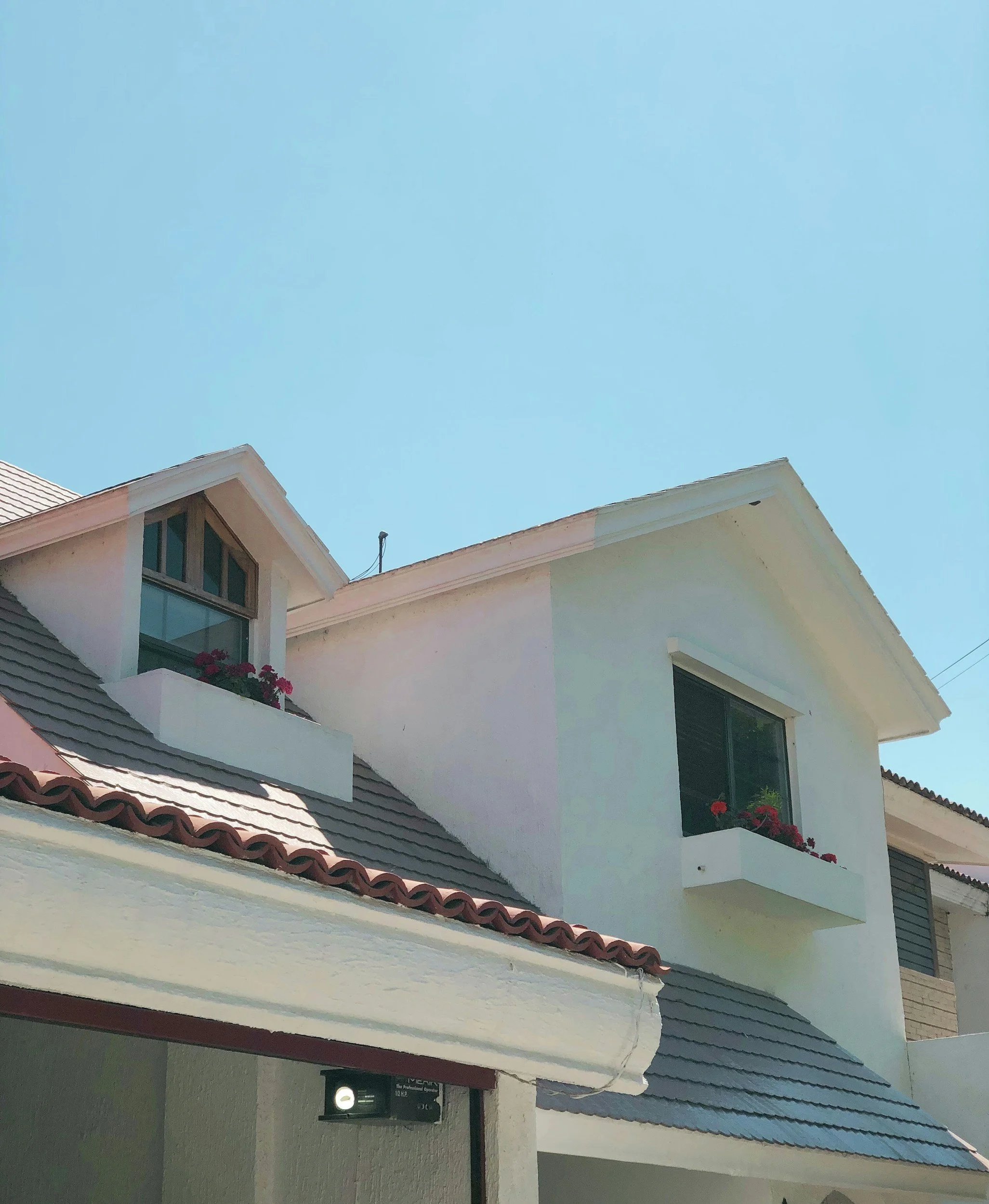
Tile roofing is known for its premium appearance, exceptional durability, and long lifespan. Commonly seen in Mediterranean, Spanish, and Southwestern-style homes, tile roofing has grown in popularity because of its ability to withstand harsh climates while adding timeless curb appeal.
The Tile Roofing Industry Alliance notes that properly installed tile roofs can last over 50 years with minimal maintenance.
Types of Roof Pitch
Tile roofs are made from materials such as:
Clay
Concrete
Slate-style composite materials
Tile roofing is known for its premium appearance, exceptional durability, and long lifespan. Commonly seen in Mediterranean, Spanish, and Southwestern-style homes, tile roofing has grown in popularity because of its ability to withstand harsh climates while adding timeless curb appeal.
The Tile Roofing Industry Alliance notes that properly installed tile roofs can last over 50 years with minimal maintenance.
Tile Roof vs Shingle Roof: Key Differences
1. Cost Comparison
Shingle Roof Costs
Shingle roofs are generally the more affordable option upfront. Asphalt shingles cost less in both materials and labor because installation is faster and less specialized.
Average costs:
Asphalt shingles: $4–$8 per square foot installed
Architectural shingles: $7–$12 per square foot installed
Shingle roofs are often ideal for:
First-time homeowners
Budget-conscious projects
Quick roof replacements
Tile Roof Costs
Tile roofing requires a higher upfront investment due to material weight, specialized installation, and structural considerations.
Average costs:
Concrete tile roofing: $10–$18 per square foot installed
Clay tile roofing: $15–$30+ per square foot installed
While more expensive initially, tile roofs may offer lower lifetime costs because they last significantly longer.
Learn more about roofing cost factors from the U.S. Department of Energy.
2. Lifespan and Durability
Shingle Roof Lifespan
Most asphalt shingle roofs last:
15–30 years, depending on quality and climate
Factors affecting lifespan include:
Storm damage
UV exposure
Ventilation quality
Maintenance practices
Severe hail, wind, and fluctuating temperatures can shorten the lifespan of shingles.
Tile Roof Lifespan
Tile roofs are among the longest-lasting roofing systems available.
Typical lifespan:
Concrete tile: 40–50 years
Clay tile: 50–100 years
Tile roofing resists:
Fire
Insects
Rot
UV degradation
This durability makes tile roofing especially attractive for homeowners planning to stay in their home long term.
3. Weather Resistance
Shingle Roofing Performance
Modern shingles perform well in many climates and can withstand:
Moderate wind
Rain
Snow
However, shingles may be more vulnerable to:
Hail damage
Wind uplift
Ice dams
Granule loss over time
High-quality impact-resistant shingles can improve storm protection.
The Insurance Institute for Business & Home Safety provides research on roofing performance in extreme weather conditions.
Tile Roofing Performance
Tile roofs excel in extreme weather environments.
Benefits include:
Excellent heat resistance
Superior UV protection
Fire resistance
Wind resistance up to 150 mph in some systems
However, individual tiles can crack from direct impact if walked on improperly or struck by large debris.
4. Energy Efficiency
Tile Roof Energy Efficiency
Tile roofs naturally create airflow beneath the tiles, helping reduce heat transfer into the home. This thermal barrier can improve indoor comfort and lower cooling costs.
Tile roofing is especially beneficial in:
Hot climates
Sunny regions
Homes with high cooling demands
Shingle Roof Energy Efficiency
Traditional asphalt shingles absorb more heat, but modern reflective shingles have improved energy performance.
Cool roofing shingles certified by ENERGY STAR can help reduce attic temperatures and improve energy savings.
5. Weight and Structural Requirements
Shingle Roof Weight
Shingle roofs are lightweight and compatible with most residential structures without additional reinforcement.
This makes them ideal for:
Standard residential homes
Older structures
Faster installation timelines
Tile Roof Weight
Tile roofing is significantly heavier than shingles.
Because of the added weight:
Some homes require structural reinforcement
Installation may involve engineering reviews
Roof framing may need upgrades
Before installing tile roofing, contractors should verify that the home can support the added load.
6. Appearance and Curb Appeal
Shingle Roof Appearance
Shingles offer:
Wide color selections
Multiple textures
Modern architectural styles
Flexibility for various home designs
Architectural shingles can mimic:
Slate
Cedar shake
Premium roofing styles
Tile Roof Appearance
Tile roofs create a distinctive, upscale appearance that stands out immediately.
Popular styles include:
Spanish tile
Barrel tile
Flat concrete tile
Mediterranean-inspired profiles
Tile roofing is often associated with luxury homes and high-end architectural design.
7. Maintenance Requirements
Shingle Roof Maintenance
Shingle roofs generally require:
Routine inspections
Occasional repairs
Replacement of damaged shingles
Common maintenance issues:
Curling shingles
Missing tabs
Moss growth
Granule loss
Tile Roof Maintenance
Tile roofs typically need less maintenance overall, but repairs can be more specialized.
Maintenance may include:
Replacing cracked tiles
Cleaning debris
Inspecting underlayment
The underlayment beneath tile roofs may need to be replaced before the tiles themselves wear out.
8. Installation Process
Shingle Roof Installation
Shingle roofing installation is:
Faster
More affordable
Widely available
Most residential shingle roofs can be installed within a few days.
Tile Roof Installation
Tile roofing installation:
Takes longer
Requires experienced installers
Involves more labor-intensive processes
Because tile roofing systems are specialized, choosing an experienced contractor is critical.
Which Roof Is Better for Your Home?
The answer depends on your priorities.
Choose a Shingle Roof If You Want:
Lower upfront costs
Faster installation
Lightweight materials
Versatile design options
Easier future repairs
Shingle roofs are an excellent choice for homeowners seeking affordability and reliable protection.
Choose a Tile Roof If You Want:
Maximum lifespan
Premium curb appeal
Exceptional durability
Better heat resistance
Long-term value
Tile roofs are ideal for homeowners focused on long-term investment and upscale aesthetics.
Climate Matters
Your regional climate should strongly influence your decision.
Tile Roofing Works Best In:
Hot climates
High UV exposure regions
Fire-prone areas
Coastal environments
Shingle Roofing Works Best In:
Colder climates
Areas with freeze-thaw cycles
Moderate weather regions
Budget-conscious markets
Working with a local roofing professional can help determine which material performs best in your area.
Resale Value Considerations
Both roofing systems can improve home value, but tile roofing often delivers stronger luxury market appeal.
Potential buyers may view tile roofs as:
Premium upgrades
Lower-maintenance systems
Long-term investments
However, newer architectural shingle roofs also add strong resale value when professionally installed.
According to Remodeling Magazine’s Cost vs. Value Report, roof replacements consistently rank among the top home improvement projects for return on investment.
Final Thoughts
When comparing tile roofs vs. shingle roofs, there is no universal “best” choice. The right roofing material depends on your home’s structure, your budget, climate conditions, and your long-term goals.
If affordability, flexibility, and easy installation matter most, asphalt shingles remain a smart and dependable option.
If you’re seeking unmatched longevity, premium aesthetics, and exceptional durability, tile roofing may be worth the higher investment.
The most important step is working with a trusted roofing contractor who can assess your home and guide you toward the best roofing solution for your needs.
Need Help Choosing the Right Roof?
Whether you’re considering asphalt shingles or tile roofing, working with an experienced roofing contractor ensures your investment is protected for years to come.
Schedule a free professional roof inspection and consultation to determine which roofing system is best for your home, climate, and budget.