
If you've noticed patches of green moss growing across your roof, it may seem like nothing more than a cosmetic problem. But moss can hold moisture against roofing materials and work its way around the edges of asphalt shingles, potentially contributing to premature deterioration.
For homeowners in Minnesota, shaded roofs, nearby trees, moisture, and seasonal weather can create conditions where moss thrives. Once it becomes established, simply scraping it away isn't necessarily the best solution. Aggressive cleaning methods can damage shingles and potentially shorten the life of your roof.
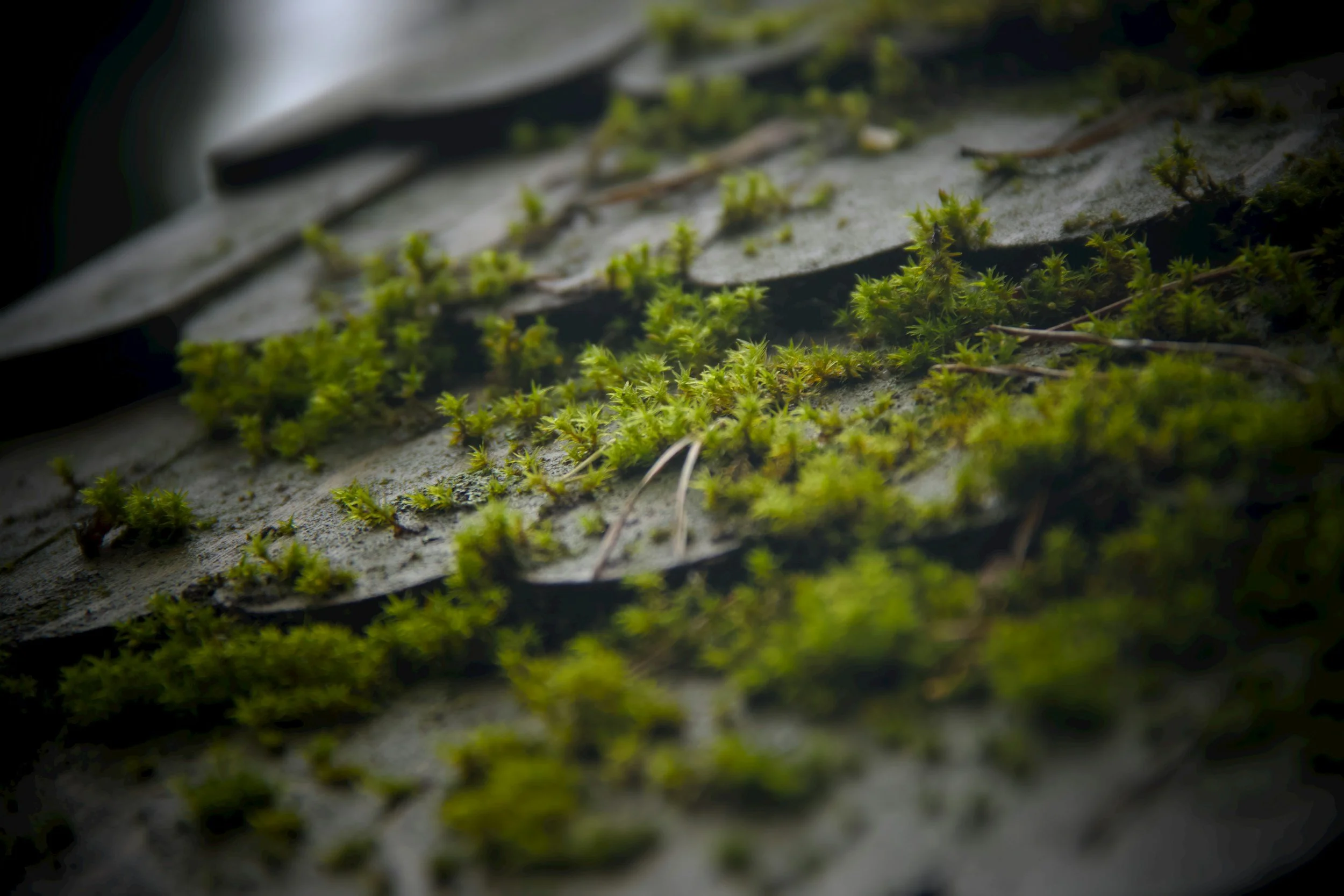
So, how do you remove moss from a roof without damaging shingles?
The key is using a gentle, step-by-step approach. Rather than pressure washing or aggressively scraping your roof, start by evaluating the shingles, use a roof-safe moss treatment, allow it to work, and gently remove loose growth when appropriate.
Here's what homeowners should know about safe roof moss removal.
Why Does Moss Grow on Roof Shingles?
Moss tends to grow in damp, shaded environments. Unlike many plants, moss doesn't require traditional soil to become established, making roofing surfaces a potential growing environment when moisture remains present.
Certain parts of a roof may be more susceptible than others, particularly areas receiving limited sunlight.
Common factors that can encourage moss growth include:
Heavy tree coverage
Shaded roof sections
Moisture that doesn't dry quickly
Debris collecting on the roof
Poor drainage
North-facing roof slopes
Aging roofing materials
A few small patches can eventually spread if conditions remain favorable.
That's why addressing both the existing moss and the conditions encouraging its growth is an important part of long-term roof maintenance.
Does Moss Damage Roof Shingles?
Moss shouldn't automatically be ignored.
As moss grows, it can retain moisture against the roof. Thick growth can also develop around and underneath the edges of shingles.
Over time, persistent moisture and physical growth may contribute to roofing deterioration.
This is particularly concerning with asphalt shingles because they're designed to lie flat and overlap one another to direct water down the roof. Anything interfering with that system deserves attention.
If moss growth is widespread, the roof should be evaluated for damaged, lifted, loose, or deteriorating shingles.
Step-by-Step: How to Remove Moss From a Roof Without Damaging Shingles
If moss growth is minor and your roof is otherwise in good condition, a gentle approach is important. The goal isn't to make your roof look brand-new in an afternoon. It's to control and remove the moss without damaging the shingles underneath.
Before beginning any DIY roof maintenance, remember that moss, water, and sloped roofing surfaces can create serious fall hazards. If you can't safely perform the work without walking on the roof, consider hiring a professional.
Step 1: Inspect the Roof Before Cleaning
Start by evaluating the condition of your shingles.
Look for:
Missing shingles
Cracked shingles
Curling or lifted edges
Excessive granule loss
Damaged flashing
Soft or deteriorated areas
Active leaks
Significant moss coverage
If the roofing material is already deteriorated, cleaning may create additional damage.
Widespread moss growing underneath shingle edges can also indicate that a professional roof inspection is the better next step.
Step 2: Choose a Roof-Safe Moss Treatment
Use a moss-removal or roof-cleaning product specifically labeled as compatible with asphalt shingles or the roofing material installed on your home.
Always follow the manufacturer's instructions, including recommendations regarding:
Dilution
Application
Dwell time
Rinsing
Protective equipment
Landscaping protection
If you know the manufacturer of your shingles, check its roof-cleaning recommendations as well.
This is particularly important if your roof is still covered by a manufacturer warranty.
Avoid assuming that a general household cleaner is safe for roofing materials.
Step 3: Apply the Treatment From the Top Down
Apply the roof-safe moss treatment according to the product instructions, beginning near the upper portion of the affected area and working downward.
Why does direction matter?
Roof shingles overlap so water naturally travels toward the gutters. Working from top to bottom follows the roof's drainage pattern and reduces the chance of forcing moisture underneath shingle edges.
Apply the product evenly without unnecessarily oversaturating the roof.
Step 4: Give the Treatment Time to Work
Don't immediately start scraping the roof.
Allow the moss treatment to work for the amount of time specified by the manufacturer.
Depending on the product and amount of growth, treated moss may change color, loosen, and gradually release from the roof.
Some products are designed to continue working after application, allowing weather and rainfall to gradually remove dead growth.
Trying to force every piece of moss off immediately can lead homeowners to scrub more aggressively than necessary.
Step 5: Gently Remove Loose Moss If Appropriate
If the cleaning-product and roofing-manufacturer instructions allow manual removal, use a gentle method.
A soft-bristle brush may be appropriate for loosening remaining growth.
Always work downward in the same direction the shingles overlap.
Don't brush upward against shingle edges or pry underneath them.
Avoid using:
Wire brushes
Metal scrapers
Stiff-bristle brushes
Aggressive scraping tools
Pressure washers
Asphalt shingles contain protective granules. Aggressive brushing or scraping can remove these granules and damage the roofing surface.
Step 6: Rinse Only If the Product Requires It
Not every roof moss treatment needs to be rinsed.
Follow the instructions for the specific product you're using.
If rinsing is required, use gentle, low-pressure water and work from the top of the roof downward.
Never direct high-pressure water upward against the shingles.
Water forced underneath overlapping shingles can potentially reach roofing components that aren't designed for direct water exposure.
Step 7: Clean the Gutters and Surrounding Area
Moss removal can send loosened organic material into your gutter system.
After treatment, check gutters and downspouts for moss, leaves, and other debris that could interfere with drainage.
Also consider the landscaping, siding, patios, decks, vehicles, and other surfaces beneath the cleaning area.
Follow the moss-treatment manufacturer's instructions for protecting or rinsing nearby plants and surfaces.
Step 8: Address Why Moss Grew in the First Place
Removing the moss is only part of the solution.
If your roof remains damp and heavily shaded, moss may eventually return.
Look at what's happening around the affected area.
Overhanging trees can block sunlight while dropping leaves, twigs, and other organic material onto the roof. Debris can then retain additional moisture.
Properly trimming branches may:
Increase sunlight
Improve airflow
Reduce falling debris
Help roofing materials dry more efficiently
Also keep gutters and roof valleys clear so water can move away from the roof properly.
Why You Shouldn't Pressure Wash Moss Off a Shingle Roof
A pressure washer might seem like the fastest way to clean a moss-covered roof, but faster isn't necessarily better.
High-pressure water can potentially loosen protective granules, damage shingle surfaces, disturb shingle edges, and force water into areas where it doesn't belong.
That's why homeowners should avoid treating an asphalt shingle roof like a driveway, patio, or deck.
Roof cleaning should use methods appropriate for the roofing material.
If the moss is so extensive that you believe pressure washing is the only way to remove it, consider having the roof professionally inspected first.
Can You Scrape Moss Off Roof Shingles?
Aggressive scraping isn't recommended.
Thick moss can make it tempting to use a stiff brush, scraper, or other tool to pull the growth away. However, the same force removing the moss may also damage the shingles.
Never pry underneath shingle edges to remove moss.
If mechanical removal is appropriate, use only a roofing-safe method consistent with the shingle manufacturer's recommendations and work gently from top to bottom.
If moss is deeply established beneath shingles, professional evaluation may be safer than trying to force it out.
Can You Use Bleach to Remove Moss From a Roof?
You'll find many DIY roof-cleaning recipes online, including mixtures containing household bleach.
Homeowners should be cautious.
The appropriate cleaning solution and concentration depend on your roofing material and the manufacturer's recommendations. Improper chemical use could affect roofing materials, landscaping, siding, gutters, or runoff.
Rather than choosing a homemade solution simply because it's inexpensive, check your roofing manufacturer's cleaning instructions or select a roof-cleaning product specifically approved for the application.
If you're uncertain about what's safe for your shingles, contact a roofing professional.
What About Zinc or Copper Strips for Roof Moss?
You may have seen zinc or copper strips installed near roof ridges to help discourage biological growth.
As rainwater passes over certain metals, small amounts of metal ions can travel down the roofing surface, making conditions less favorable for some growth.
However, these products shouldn't be considered a substitute for repairing damaged shingles, improving drainage, or addressing significant existing moss.
Before installing anything on your roof, make sure it's compatible with your roofing system and properly installed. Improper installation can create unnecessary penetrations or potential water-entry points.
Is Roof Moss Removal a DIY Project?
Minor roof maintenance may be manageable for some homeowners, but roof work introduces significant safety concerns.
Roofs can be:
Steep
Slippery
Wet
Difficult to access
Higher than expected
Adding moss and cleaning solution can make the surface even more slippery.
Avoid walking on a wet or moss-covered roof. If you cannot perform the work safely from an appropriate access point, professional service is the better option.
Homeowners with steep roofs, multi-story homes, widespread moss, or existing roof damage should strongly consider professional help.
When Does a Mossy Roof Need More Than Cleaning?
Cleaning won't repair shingles that are already failing.
Contact a roofing professional if you notice moss along with:
Missing shingles
Significant granule loss
Curling shingles
Cracked shingles
Roof leaks
Interior water stains
Soft decking
Sagging
Widespread deterioration
The age of the roof matters too.
If an older roof has extensive moss growth and other signs of deterioration, investing heavily in cleaning may not make sense until you know how much useful life remains.
A professional roof inspection can help determine whether cleaning, repair, maintenance, or roof replacement is the appropriate next step.
How to Prevent Moss From Growing Back
Once you've addressed existing moss, focus on prevention.
Keep leaves, branches, pine needles, and other organic debris from accumulating on the roof. Maintain gutters and downspouts so water can drain freely.
You can also evaluate nearby trees. Selective trimming may allow additional sunlight and airflow to reach previously shaded portions of the roof.
Pay particular attention to areas where moss has grown before. Those sections may continue to be susceptible because of their orientation, shade, or moisture conditions.
Periodic roof inspections can also help identify small areas of growth before they become widespread.
Don't Try to Make Your Roof Look New in One Day
One of the most important roof moss removal tips is also one of the simplest: be patient.
Trying to remove every trace of moss immediately can lead to excessive brushing, scraping, rinsing, or pressure washing.
Those methods may produce a cleaner-looking roof in the short term while potentially damaging the shingles you're trying to protect.
A slower, roof-safe treatment that allows moss to die and release gradually may be a better approach.
The goal isn't simply a clean-looking roof. It's a roofing system that continues to protect your home.
Need Help With Moss on Your Roof?
Moss may look harmless, but persistent growth can be a sign that moisture is lingering on your roofing system.
When determining how to remove moss from a roof, focus on protecting the shingles underneath. Avoid aggressive pressure washing, scraping, or the use of unapproved chemicals. Start by inspecting the roof, follow the roofing and cleaning product manufacturers' recommendations, treat the moss gently, and address the conditions that encourage it to grow.
If you're concerned about moss, damaged shingles, leaks, or the overall condition of your roof, Elevate Roofing Solutions can help.
Our team works with homeowners throughout Mankato and Southern Minnesota to evaluate roofing systems and determine the appropriate next step.
Contact Elevate Roofing Solutions to schedule a roof inspection and find out whether your roof needs maintenance, repair, or replacement.