
How Long Do You Have to File a Hail Damage Roof Claim in Minnesota?
A Minnesota hailstorm can pass through in minutes, but the damage it leaves behind may affect your roof for years. One of the most common questions homeowners have after severe weather is: How long do you have to file a hail damage roof claim in Minnesota?
The short answer is that you shouldn't wait.
Insurance policies can contain specific requirements for when and how storm damage must be reported, and those requirements can vary by policy and insurer. The Minnesota Department of Commerce recommends contacting your insurance company immediately to report a property loss and following the instructions provided by the insurer.
That makes the best approach simple: if you suspect hail damage, document the storm, review your insurance policy, contact your insurance company, and have the roof professionally inspected as soon as practical.
Waiting months to investigate suspected roof damage can make the process more complicated and may allow minor damage to develop into a larger roofing problem.
Here's what Minnesota homeowners should know about hail damage, roof inspections, insurance claims, and protecting their homes after a storm.
Is There a Deadline to File a Hail Damage Roof Claim in Minnesota?
There isn't one simple deadline that every Minnesota homeowner should assume applies to every hail-damage claim.
Your homeowners insurance policy can establish requirements for reporting a loss, providing documentation, completing repairs, or taking other steps during the claims process.
That's why your individual insurance policy is one of the most important documents to review after a hailstorm.
According to the Minnesota Department of Commerce, homeowners should contact their insurance company immediately to report a loss and follow the instructions provided by claims personnel.
Don't assume you have months—or years—to decide what to do.
If a storm recently passed through your area and you suspect damage, starting the process early gives you an opportunity to understand your roof's condition and your insurance requirements.
Why You Shouldn't Wait to Check Your Roof After Hail
Hail damage isn't always obvious.
After a severe storm, you might walk around your house and see nothing unusual. That doesn't necessarily mean the roof escaped damage.
Hail can affect asphalt shingles by:
Knocking away protective granules
Creating impact marks
Cracking roofing materials
Damaging shingle edges
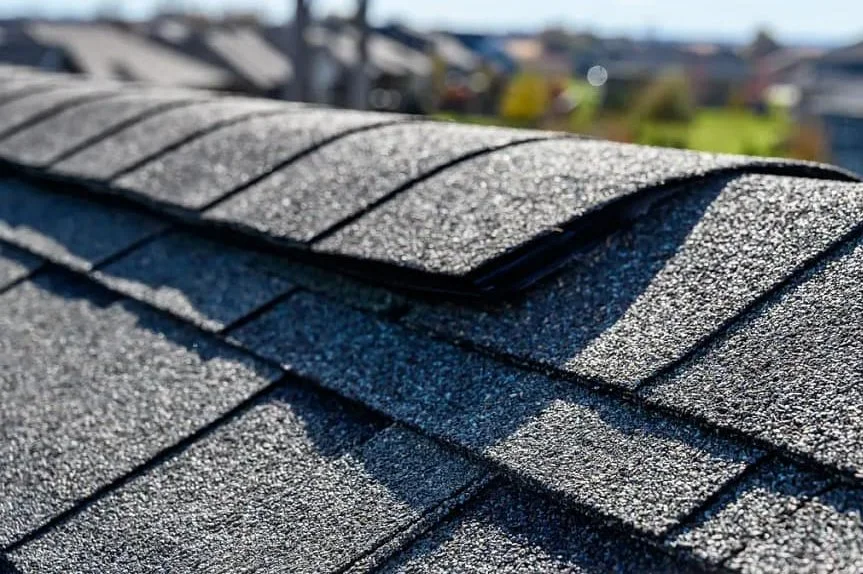
Damaging vents and flashing
Denting gutters and downspouts
Damaging metal roofing components
Some damage can be difficult to identify from the ground.
A roof may also continue shedding water normally immediately after a storm even though the roofing material has been compromised.
That's one reason homeowners shouldn't wait for a ceiling leak before investigating potential storm damage.
Can You Have Hail Damage Without a Roof Leak?
Yes. A roof does not necessarily begin leaking immediately after hail damage occurs.
Asphalt shingles are part of a layered roofing system designed to keep water outside your home. Hail may damage the surface of shingles without immediately creating a pathway for water into the house.
Over time, however, damaged roofing materials can become more vulnerable to weather exposure.
If you experienced significant hail but don't see a leak, that doesn't automatically mean your roof is fine.
A professional roof inspection can help determine whether the roofing system shows signs of storm-related damage.
What Does Hail Damage Look Like on a Roof?
Hail damage can look different depending on the roofing material, hail size, wind speed, storm direction, roof age, and condition of the shingles.
On asphalt shingles, potential signs may include:
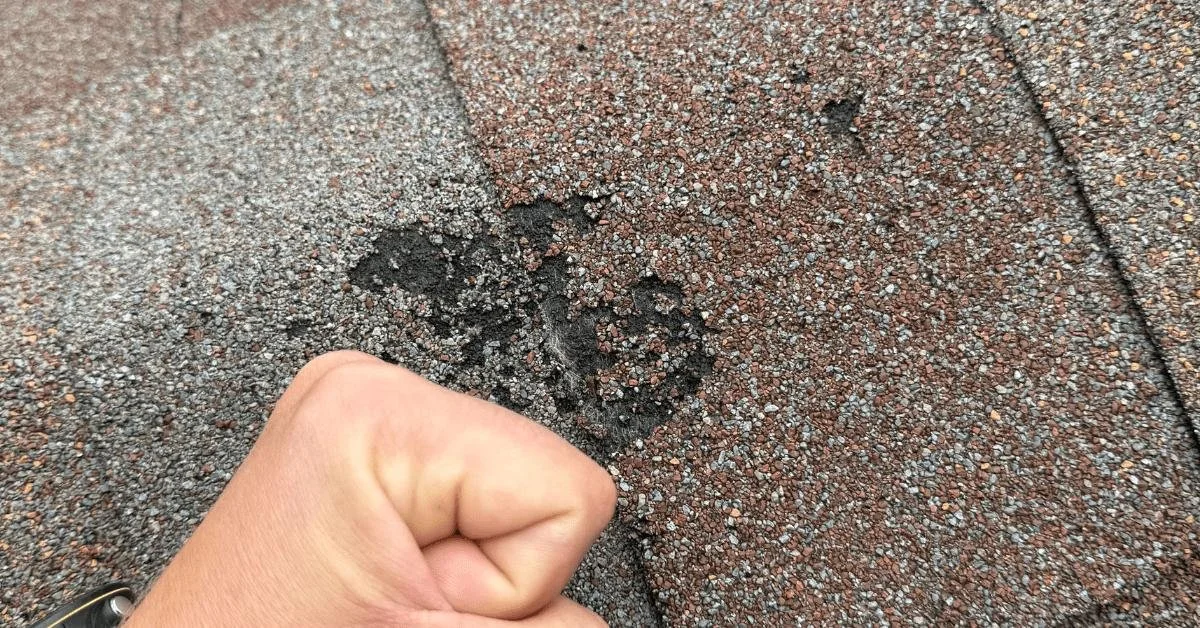
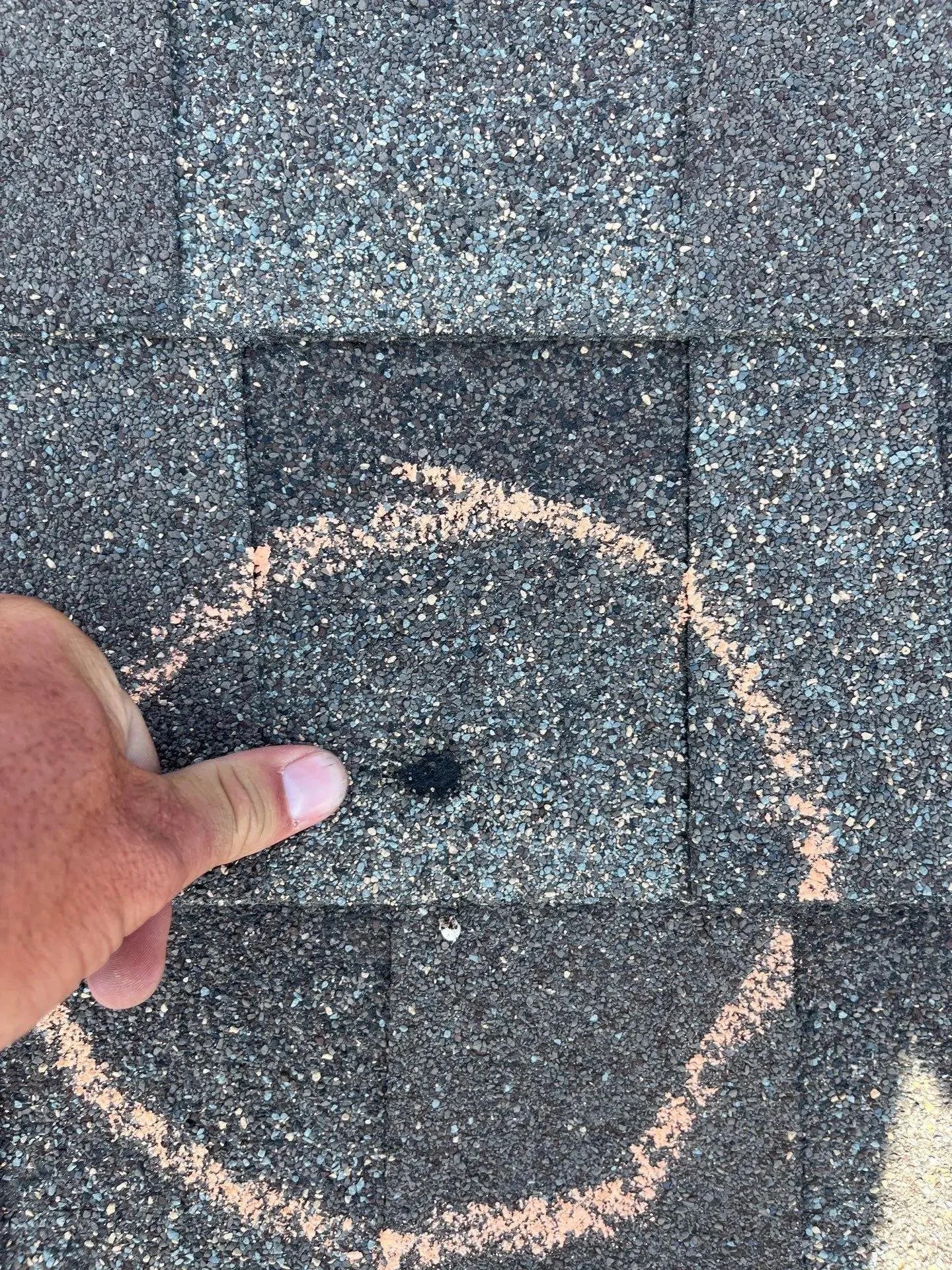
Dark impact spots
Missing granules
Exposed asphalt
Cracks
Bruised or damaged areas
Broken shingle edges
You may also notice storm damage elsewhere around your property.
Check for:
Dented gutters
Damaged downspouts
Dents in metal vents
Damaged siding
Broken screens
Damaged outdoor equipment
Damage to these areas can indicate that hail was strong enough to warrant a closer look at the roof.
For information about strengthening homes against hail and other severe weather, homeowners can also explore research from the Insurance Institute for Business & Home Safety.
What Should You Do After a Minnesota Hailstorm?
If hail has recently affected your neighborhood, take a systematic approach rather than immediately assuming you need a new roof.
Step 1: Document the Storm
Write down the approximate date and time of the storm.
Take photographs or videos of visible damage around your property, including:
Hail accumulation
Damaged siding
Gutters
Downspouts
Windows
Screens
Outdoor structures
Visible roofing damage
Keep these photos together for your records.
Step 2: Check Your Home From the Ground
Walk around the property when conditions are safe.
Don't climb onto a wet, damaged, or steep roof yourself.
Look for obvious signs of damage to roofing edges, gutters, siding, vents, and other exterior components.
Step 3: Review Your Homeowners Insurance Policy
Locate your policy and review the sections related to:
Wind and hail coverage
Deductibles
Notice of loss
Claim reporting
Replacement cost
Actual cash value
Repair requirements
Exclusions
If anything is unclear, contact your insurance agent or insurer directly.
Minnesota homeowners can find additional insurance information through the Minnesota Department of Commerce.
Step 4: Contact Your Insurance Company
If you believe you have a covered loss, notify your insurer promptly.
The Minnesota Department of Commerce recommends contacting the insurance company immediately after a property loss and keeping your policy and claim number available throughout the process.
Also keep notes about who you speak with, when you spoke with them, and what instructions were provided.
Step 5: Schedule a Professional Roof Inspection
A professional roofing inspection can help identify the condition of your roofing system after the storm.
A roofer may examine:
Asphalt shingles
Metal roofing
Flashing
Vents
Roof penetrations
Gutters
Downspouts
Ridge caps
Other roofing components
The purpose of the inspection is to determine what condition the roof is actually in—not to assume that every hailstorm automatically requires replacement.
Should You Make Temporary Roof Repairs?
If the storm created an opening that allows water into your home, protecting the property from additional damage is important.
The Minnesota Department of Commerce advises homeowners to take reasonable steps such as covering a damaged roof or boarding broken windows when necessary to prevent additional damage. It also recommends keeping receipts for materials purchased for temporary protection.
However, homeowners should contact their insurance company and follow the insurer's instructions before beginning permanent repairs.
Keep photographs and documentation of the original damage whenever possible.
Will Homeowners Insurance Cover Hail Damage?
Coverage depends on your individual homeowners insurance policy.
Many homeowners policies provide coverage for certain wind and hail losses, but deductibles, exclusions, settlement terms, and coverage limitations can vary considerably.
For example, your policy may include:
Replacement Cost Coverage: Coverage designed to pay eligible replacement or repair costs subject to policy terms, limits, and other conditions.
Actual Cash Value Coverage: Coverage that may account for depreciation when determining the value of damaged property.
Minnesota law contains requirements relating to replacement-cost insurance, but homeowners should rely on their specific policy and insurer to understand how coverage applies to an individual loss.
You can review Minnesota insurance statutes through the Minnesota Revisor of Statutes.
What If You Discover Hail Damage Months Later?
This is another reason knowing the date of a significant storm can be important.
If you discover possible hail damage months after severe weather occurred, don't assume you're automatically unable to report it—but don't assume you're automatically covered either.
Review your insurance policy and contact your insurer promptly.
Explain when you noticed the damage and provide whatever documentation you have.
Your insurer can explain the policy requirements and whether the loss can still be considered.
A professional roofing inspection may also help document the current condition of the roof.
What If You Don't Know Which Storm Caused the Damage?
Minnesota can experience multiple hailstorms during a single season, which can make determining when roof damage occurred more complicated.
If you're unsure, provide your insurer with accurate information rather than guessing.
Keep records of storms affecting your property and schedule roof inspections after significant weather events.
This creates a better history of your roof's condition and can help you identify problems earlier.
Should You Replace Your Roof After Every Hailstorm?
No.
Hail doesn't automatically mean you need a new roof.
The extent of damage depends on many factors, including:
Hail size
Wind
Roof age
Roofing material
Shingle condition
Storm duration
Impact direction
Some roofs may have little or no meaningful damage. Others may need localized repairs, while severely damaged roofing systems may require replacement.
The right next step begins with understanding the actual condition of your roof.
How Can You Prepare for the Next Minnesota Storm?
You can't prevent hail, but you can be better prepared for it.
Know the age and condition of your roof. Keep copies of roofing invoices, warranties, previous inspection reports, and insurance documents.
Consider taking photographs of your roof and exterior before storm season. Having documentation of your home's pre-storm condition can be useful if severe weather occurs.
Regular roof inspections can also identify existing issues before the next storm arrives.
How Long Should You Wait to Inspect Your Roof After Hail?
Don't wait until you see water inside your home.
Once the storm has passed and conditions are safe, inspect your property from the ground and consider scheduling a professional roof inspection if your neighborhood experienced significant hail.
The earlier you understand your roof's condition, the sooner you can determine whether maintenance, repairs, or an insurance conversation is necessary.
Hail Damage Roof Inspections in Mankato and Southern Minnesota
Severe weather is part of living in Minnesota, but wondering whether your roof was damaged doesn't have to be.
If hail has recently moved through Mankato or Southern Minnesota, Elevate Roofing Solutions can evaluate your roofing system and help you understand what you're seeing.
Our role as your roofing contractor is to inspect the roof, identify damage, document roofing conditions, explain repair or replacement options, and complete roofing work when needed. Questions about coverage, claim deadlines, deductibles, and settlement decisions should be directed to your insurance company.
Don't Wait to Address Possible Hail Damage
So, how long do you have to file a hail damage roof claim in Minnesota?
The most important answer is: check your policy and act promptly.
Insurance policies can contain specific notice and claim requirements, and Minnesota's Department of Commerce recommends immediately reporting a property loss to your insurance company.
If your home has been through a hailstorm, document visible damage, review your policy, contact your insurer when appropriate, and have your roof inspected rather than waiting for a leak to appear.
Think your roof may have hail damage? Contact Elevate Roofing Solutions to schedule a roof inspection in Mankato or Southern Minnesota and understand the condition of your roofing system.