
Top Causes of Commercial Roof Leaks and How to Prevent Them
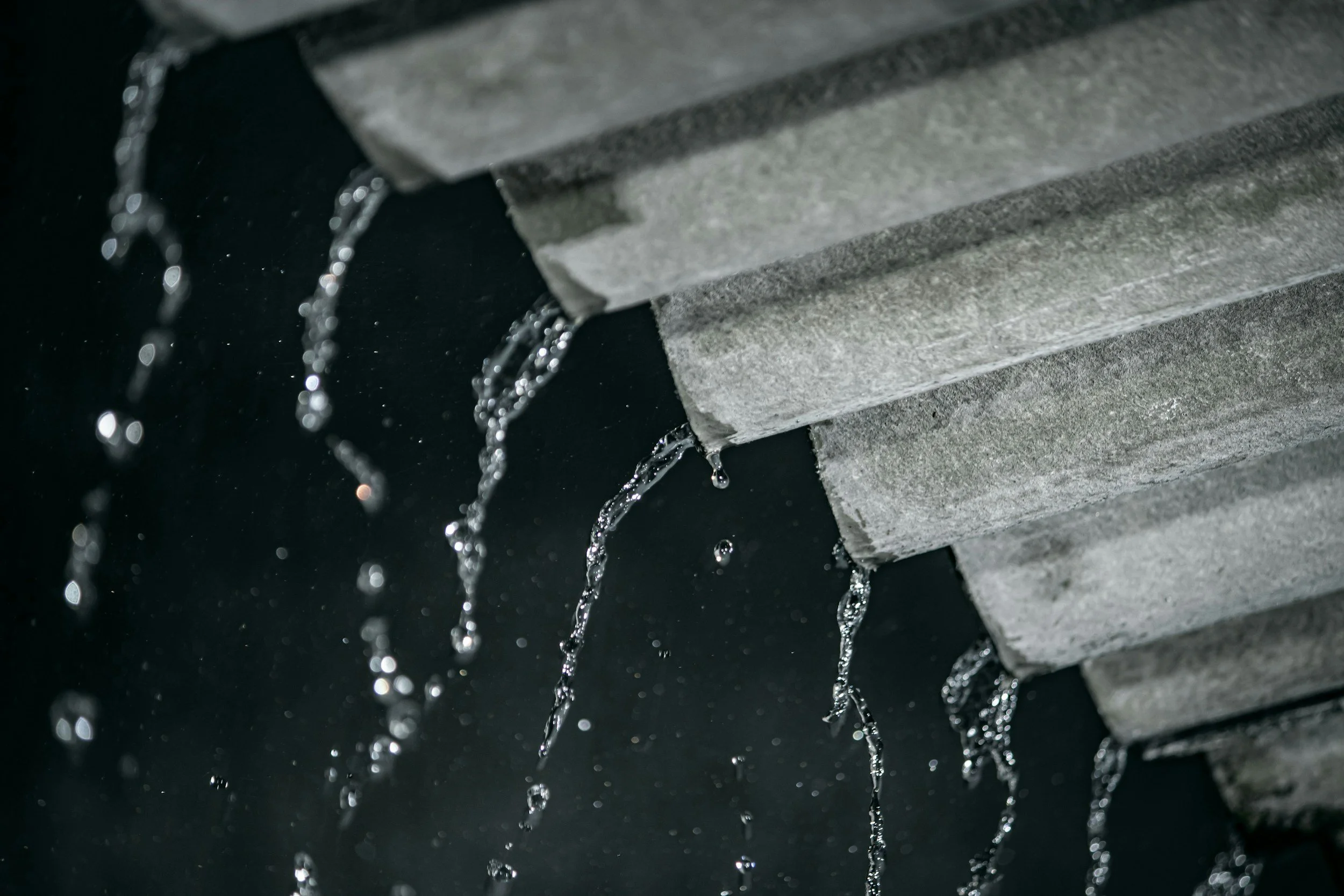
Commercial roof leaks are one of the most expensive and disruptive issues property owners and facility managers face. A small leak may seem harmless at first, but over time it can lead to structural damage, mold growth, ruined insulation, interior damage, operational downtime, and costly emergency repairs.
Whether you manage a warehouse, manufacturing facility, office building, retail center, or healthcare property, understanding the top causes of commercial roof leaks can help you extend the life of your roofing system and avoid major expenses.
In this guide, we’ll break down the most common causes of commercial roof leaks, how to spot early warning signs, and the best ways to prevent damage before it becomes a serious problem.
Inside the blog:
Why Commercial Roof Leaks Are a Serious Problem
Warning Signs Your Commercial Roof May Be Leaking
How to Prevent Commercial Roof Leaks
Final Thought
Why Commercial Roof Leaks Are a Serious Problem
Unlike residential roofing systems, commercial roofs often cover large areas and include multiple penetrations, HVAC systems, drains, skylights, vents, and mechanical equipment. These components create additional opportunities for water intrusion if not properly maintained.
According to the National Roofing Contractors Association (NRCA), proactive roof maintenance is one of the most effective ways to extend roof lifespan and reduce repair costs.
Leaks can result in:
Damaged insulation
Mold and mildew growth
Increased energy costs
Structural deterioration
Electrical hazards
Business interruption
Inventory and equipment damage
The good news is that most commercial roof leaks are preventable with regular inspections and timely maintenance.
1. Damaged Roof Membranes
One of the most common causes of commercial roof leaks is damage to the roofing membrane itself.
Flat and low-slope commercial roofs commonly use:
TPO roofing
EPDM roofing
PVC roofing
Modified bitumen
Built-up roofing systems
Over time, exposure to UV rays, extreme weather, foot traffic, and debris can cause cracks, punctures, or seam failures.
Common Signs of Membrane Damage
Standing water
Visible tears or punctures
Bubbling or blistering
Open seams
Water stains inside the building
Prevention Tips
Schedule routine roof inspections
Limit unnecessary rooftop foot traffic
Install walkway pads near HVAC systems
Address punctures immediately
Keep debris off the roof surface
The Roof Coatings Manufacturers Association (RCMA) notes that reflective roof coatings and preventative maintenance can help extend membrane performance and improve energy efficiency.
2. Poor Roof Installation
Even high-quality roofing materials can fail prematurely if the roof was improperly installed.
Poor workmanship can lead to:
Improper flashing details
Weak seams
Incorrect drainage slope
Fastener issues
Inadequate waterproofing
Unfortunately, installation mistakes may not become obvious until years later when leaks begin appearing during heavy rain or snow melt.
Prevention Tips
Hire experienced commercial roofing contractors
Verify certifications and manufacturer approvals
Request references and project examples
Ensure the roofing system meets local building codes
Conduct post-installation inspections
Choosing a qualified contractor is critical for long-term roof performance and warranty protection.
3. Ponding Water on Flat Roofs
Flat roofs are especially vulnerable to ponding water, which occurs when water remains on the roof surface for more than 48 hours after rainfall.
Standing water can:
Accelerate membrane deterioration
Increase structural stress
Cause leaks at seams
Promote algae and mold growth
According to the International Institute of Building Enclosure Consultants (IIBEC), proper drainage design is essential for commercial roof longevity.
Causes of Ponding Water
Clogged drains
Improper roof slope
Settling structures
Compressed insulation
Drainage system failures
Prevention Tips
Clean drains and gutters regularly
Inspect scuppers and downspouts
Remove debris after storms
Correct low spots with tapered insulation
Schedule seasonal maintenance inspections
4. Flashing Failures
Roof flashing protects vulnerable transition points where the roof meets walls, vents, skylights, HVAC units, and drains.
Because flashing areas experience constant expansion and contraction, they are one of the most common sources of commercial roof leaks.
Common Flashing Problems
Cracked sealants
Rusted metal flashing
Loose fasteners
Separation from roof surfaces
Improper installation
Prevention Tips
Inspect flashing during every roof inspection
Reseal aging joints
Replace corroded metal
Address loose flashing immediately
Ensure rooftop equipment is properly flashed
The Federal Emergency Management Agency (FEMA) recommends regular inspection of roof edges and flashing systems, especially after severe weather events.
5. Clogged Roof Drains and Gutters
Commercial roofing systems rely heavily on proper drainage.
When drains become clogged with:
Leaves
Dirt
Ice
Trash
Construction debris
Water can back up and enter the building.
Warning Signs
Overflowing gutters
Standing water
Water stains near drains
Sagging roof sections
Prevention Tips
Schedule regular drain cleaning
Inspect gutters seasonally
Install drain strainers
Remove debris after storms
Monitor drainage during heavy rainfall
Routine drainage maintenance is one of the easiest and most affordable ways to prevent roof leaks.
6. Weather Damage and Storm Exposure
Commercial roofs endure constant exposure to harsh weather conditions.
Major threats include:
Hail damage
High winds
Heavy snow loads
Freeze-thaw cycles
UV exposure
Severe storms
Over time, weather can weaken roofing materials and create openings for moisture intrusion.
The National Weather Service frequently advises building owners to inspect roofing systems after major storm events to identify hidden damage early.
Prevention Tips
Conduct storm damage inspections
Repair loose materials quickly
Reinforce vulnerable roof areas
Monitor aging roofing systems
Document damage for insurance purposes
7. HVAC and Rooftop Equipment Issues
Commercial roofs often contain multiple rooftop systems, including:
HVAC units
Exhaust fans
Solar panels
Satellite equipment
Refrigeration systems
Improper installation or maintenance of rooftop equipment can puncture membranes or damage flashing.
Common Problems
Loose equipment mounts
Condensation leaks
Improper penetrations
Service technician damage
Vibrations loosening materials
Prevention Tips
Coordinate roofing and mechanical contractors
Inspect penetrations regularly
Install protective walk pads
Ensure rooftop units are properly flashed
Limit unauthorized roof access
8. Aging Roofing Systems
Every roofing system has a lifespan.
According to the U.S. Department of Energy, aging roofing materials can reduce energy performance and increase maintenance needs over time.
Typical commercial roof lifespans:
TPO Roof: 15–25 years
EPDM Roof: 20–30 years
PVC Roof: 20–30 years
Built-Up Roof: 20–30 years
Metal Roof: 40+ years
As roofs age, materials become brittle, seams weaken, and waterproofing deteriorates.
Prevention Tips
Monitor roof age
Schedule annual inspections
Budget for roof replacement proactively
Address minor repairs immediately
Consider restoration coatings before replacement becomes necessary
9. Neglected Roof Maintenance
One of the leading causes of commercial roof failure is simply a lack of maintenance.
Many leaks begin as small, manageable problems that worsen over time because inspections were skipped.
Benefits of Preventive Maintenance
Longer roof lifespan
Lower repair costs
Better energy efficiency
Reduced emergency repairs
Improved warranty compliance
The Building Owners and Managers Association (BOMA) emphasizes preventative maintenance as a key strategy for protecting commercial property investments.
Recommended Maintenance Schedule
Twice Per Year
Spring inspection
Fall inspection
After Severe Weather
Hail storms
Wind events
Heavy snowfall
Ongoing
Drain cleaning
Debris removal
Sealant checks
Flashing inspections
Warning Signs Your Commercial Roof May Be Leaking
Early detection can prevent major repair costs.
Watch for these warning signs:
Ceiling stains
Mold or mildew smells
Dripping water
Increased energy bills
Bubbling paint
Wet insulation
Sagging ceiling tiles
Visible roof damage
If you notice any of these issues, schedule a professional inspection immediately.
How to Prevent Commercial Roof Leaks
Preventing leaks starts with a proactive approach.
Best Practices for Leak Prevention
Schedule Routine Inspections
Professional inspections can identify problems before they become emergencies.
Keep the Roof Clean
Debris traps moisture and blocks drainage systems.
Address Repairs Quickly
Small punctures and flashing issues can escalate rapidly.
Invest in Preventive Maintenance
Maintenance plans often cost far less than emergency repairs or roof replacement.
Work With Experienced Commercial Roofing Contractors
Qualified roofing professionals understand the unique demands of commercial roofing systems.
The Cost of Ignoring Roof Leaks
Delaying repairs can become extremely expensive.
Potential costs include:
Interior renovations
Mold remediation
Structural repairs
Equipment replacement
Business downtime
Inventory loss
Increased insurance claims
In many cases, preventative maintenance costs only a fraction of what major leak repairs require.
Final Thoughts
Commercial roof leaks rarely happen overnight. Most leaks develop gradually due to aging materials, poor drainage, flashing failures, weather damage, or neglected maintenance.
The best way to protect your investment is through:
Routine inspections
Preventative maintenance
Fast repairs
Proper drainage management
Working with experienced roofing professionals
By understanding the top causes of commercial roof leaks and taking proactive steps to prevent them, building owners can extend roof lifespan, improve building performance, and avoid costly disruptions.
If your facility shows signs of roof damage or you want to develop a preventive maintenance plan, partnering with an experienced commercial roofing contractor can help ensure your roofing system performs for years to come.