
Summer Roof Inspection Checklist for Minnesota Homeowners: Protect Your Roof Before Storm Season
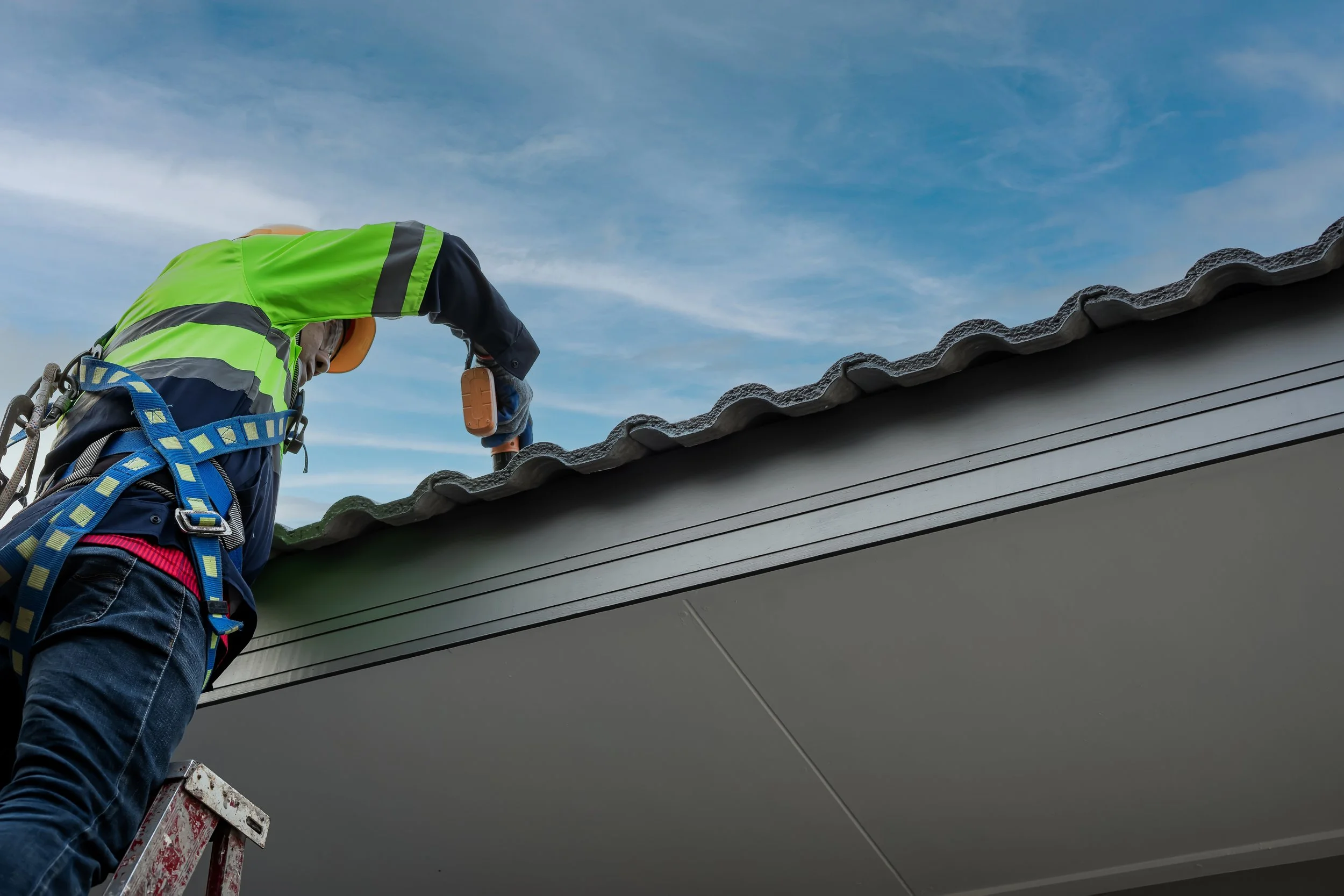
Minnesota homeowners know that winter gets most of the attention when it comes to roof damage, but summer can be just as challenging for your roofing system. Between intense UV exposure, heavy rain, hailstorms, high winds, and humidity, your roof faces significant stress during the warmer months.
The good news? Summer is also the ideal time to inspect your roof and address minor issues before they become costly repairs. A proactive roof inspection can help extend your roof's lifespan, improve energy efficiency, and provide peace of mind before severe weather strikes.
In this guide, we'll walk through a comprehensive summer roof inspection checklist specifically designed for Minnesota homeowners.
Why Summer Roof Inspections Matter in Minnesota
When Should You Schedule a Professional Roof Inspection?
Final Thoughts
Why Summer Roof Inspections Matter in Minnesota
Minnesota roofs experience some of the harshest weather conditions in the country. Winter snow, ice dams, freeze-thaw cycles, spring storms, and summer heat all contribute to roofing wear and tear.
According to the National Roofing Contractors Association (NRCA), regular roof inspections and maintenance are among the most effective ways to maximize a roof's lifespan and reduce long-term repair costs. The NRCA recommends routine inspections to identify issues before they escalate into major problems.
Summer provides ideal weather conditions for inspections because:
Snow and ice are gone
Roofing materials are visible
Repairs can be completed more easily
Storm damage can be identified quickly
Contractors have greater access to roofing systems
1. Inspect Shingles for Damage
Your shingles are the first line of defense against Minnesota weather.
Walk around your home and perform a visual inspection from the ground. Look for:
Missing shingles
Curling edges
Cracked shingles
Lifted shingles
Buckling areas
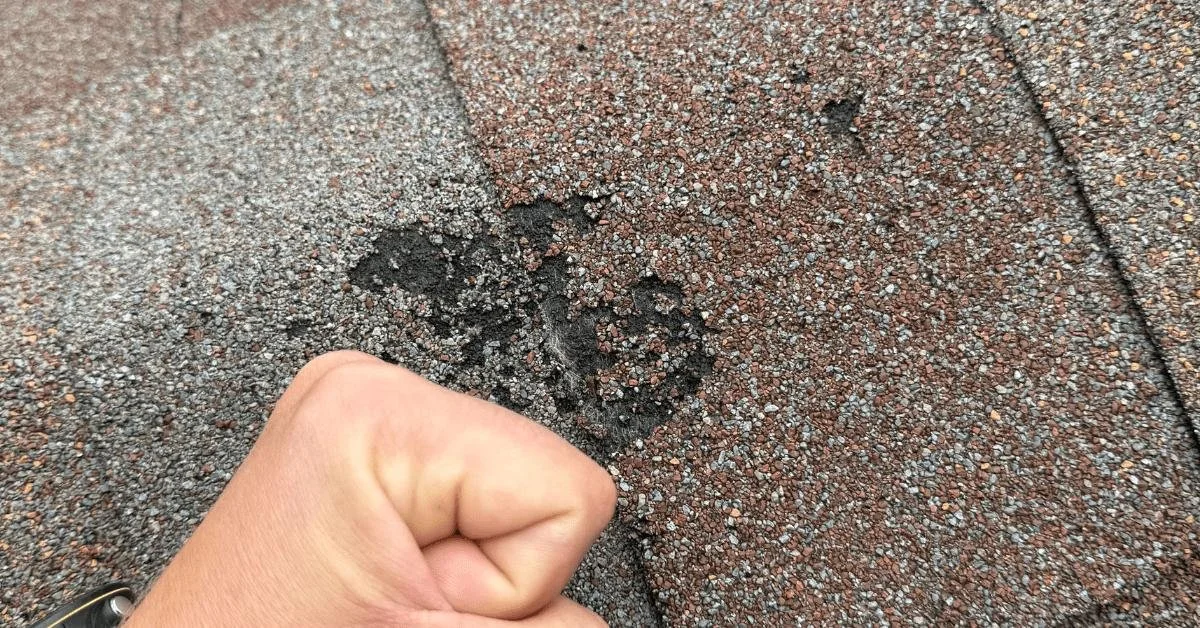
Bald spots with missing granules
Discoloration
Heat and UV exposure can accelerate shingle deterioration during the summer months. Granule loss is particularly important to watch for because those granules protect asphalt shingles from ultraviolet damage.
If you notice multiple damaged shingles, schedule a professional inspection to determine whether repairs or replacement may be necessary.
2. Check Flashing Around Roof Penetrations
Flashing is the metal material installed around roof penetrations and transitions, including:
Chimneys
Plumbing vents
Skylights
Roof valleys
Dormers
Damaged flashing is one of the most common causes of roof leaks. Minnesota's freeze-thaw cycles can cause flashing to loosen over time, while summer storms can expose existing weaknesses.
Watch for:
Rust
Cracks
Missing sealant
Loose metal
Separation from roofing materials
Even small flashing issues can allow water intrusion that leads to costly structural damage.
3. Clean and Inspect Gutters
Your gutter system plays a critical role in protecting your roof and foundation.
Summer storms often produce heavy rainfall, and clogged gutters can cause water to back up beneath roofing materials.
Inspect your gutters for:
Leaves and debris
Standing water
Sagging sections
Loose fasteners
Rust
Separated joints
After cleaning, run water through the system to verify proper drainage.
Properly functioning gutters help prevent:
Roof leaks
Fascia damage
Foundation issues
Basement water intrusion
Industry experts consistently recommend regular gutter maintenance as part of any seasonal roof care plan.
4. Examine Your Attic
One of the most overlooked areas during a roof inspection is the attic.
Many roofing issues reveal themselves inside the attic long before they become visible on ceilings.
Look for:
Water stains
Damp insulation
Mold growth
Musty odors
Daylight coming through the roof deck
Signs of condensation
These symptoms may indicate active leaks or ventilation issues that require attention.
According to roofing professionals, attic inspections are one of the most effective ways to identify hidden moisture problems before significant damage occurs.
5. Verify Proper Attic Ventilation
Minnesota summers can produce significant attic heat buildup.
Without adequate ventilation, attic temperatures can exceed 150 degrees Fahrenheit, causing:
Premature shingle aging
Increased cooling costs
Moisture buildup
Mold growth
Reduced roof lifespan
Check that:
Soffit vents are unobstructed
Ridge vents are clear
Exhaust vents are functioning properly
Insulation isn't blocking airflow
The U.S. Department of Energy highlights proper attic ventilation as a key component of home energy performance and roof longevity.
6. Look for Moss, Algae, and Organic Growth
Minnesota's humid summers can create ideal conditions for algae and moss growth.
Signs include:
Black streaks
Green patches
Moss accumulation
Dark staining
While these may appear cosmetic at first, they can trap moisture against roofing materials and accelerate deterioration.
Avoid pressure washing your roof, as it can damage shingles and remove protective granules.
Professional roof cleaning methods are typically safer and more effective.
7. Trim Overhanging Tree Branches
Trees add beauty and shade to your property, but they can also pose risks to your roof.
Overhanging branches can:
Scratch shingles
Drop debris
Encourage moss growth
Increase pest activity
Cause storm damage
The Federal Emergency Management Agency (FEMA) recommends trimming branches near structures to reduce storm-related damage risks.
A good rule of thumb is to keep branches at least 6 to 10 feet away from your roof whenever possible.
8. Inspect for Signs of Storm Damage
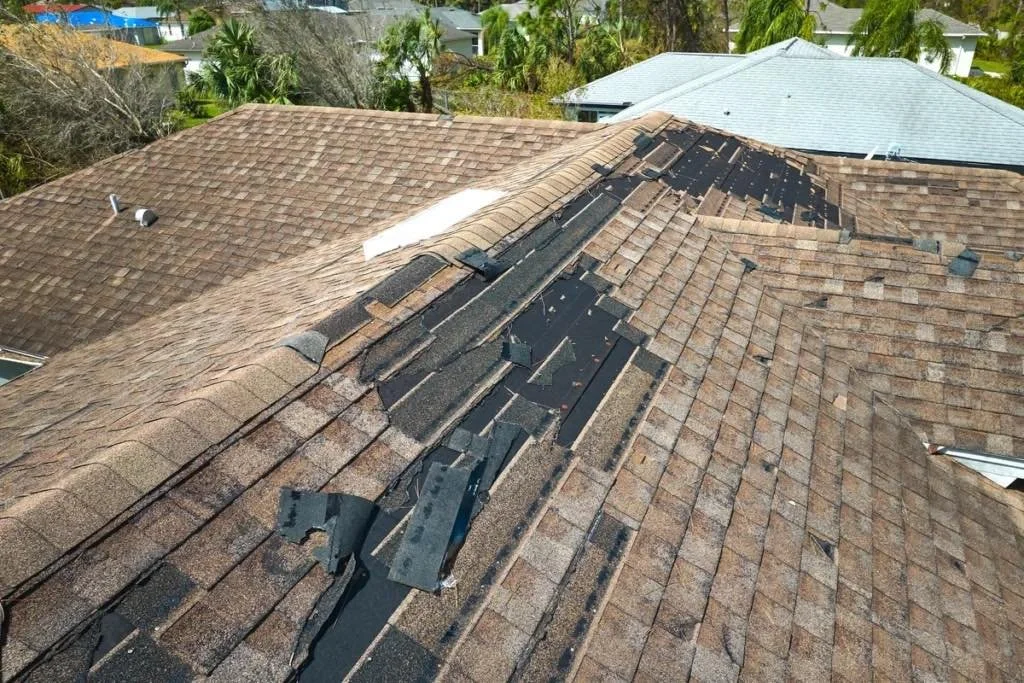
Summer storm season in Minnesota often brings:
Hail
High winds
Heavy rain
Falling branches
After severe weather events, inspect your property for:
Missing shingles
Dents on gutters
Damaged flashing
Fallen debris
Granules accumulating near downspouts
Storm damage isn't always obvious from the ground, which is why many homeowners schedule professional inspections following major weather events.
9. Check Roof Valleys
Roof valleys channel large amounts of water during rainstorms.
Because they handle so much water flow, valleys are especially vulnerable to:
Debris accumulation
Water intrusion
Flashing failures
Wear and tear
Inspect valleys for:
Leaves
Branches
Exposed underlayment
Missing shingles
Signs of erosion
Keeping valleys clear helps ensure proper drainage during heavy summer rainfall.
10. Monitor Interior Ceilings and Walls
Sometimes the first signs of roof damage appear inside the home.
Watch for:
Water stains
Peeling paint
Bubbling drywall
Mold growth
Discoloration
These symptoms may indicate an active roof leak that requires immediate attention.
Even small leaks can lead to costly repairs if left unresolved.
When Should You Schedule a Professional Roof Inspection?
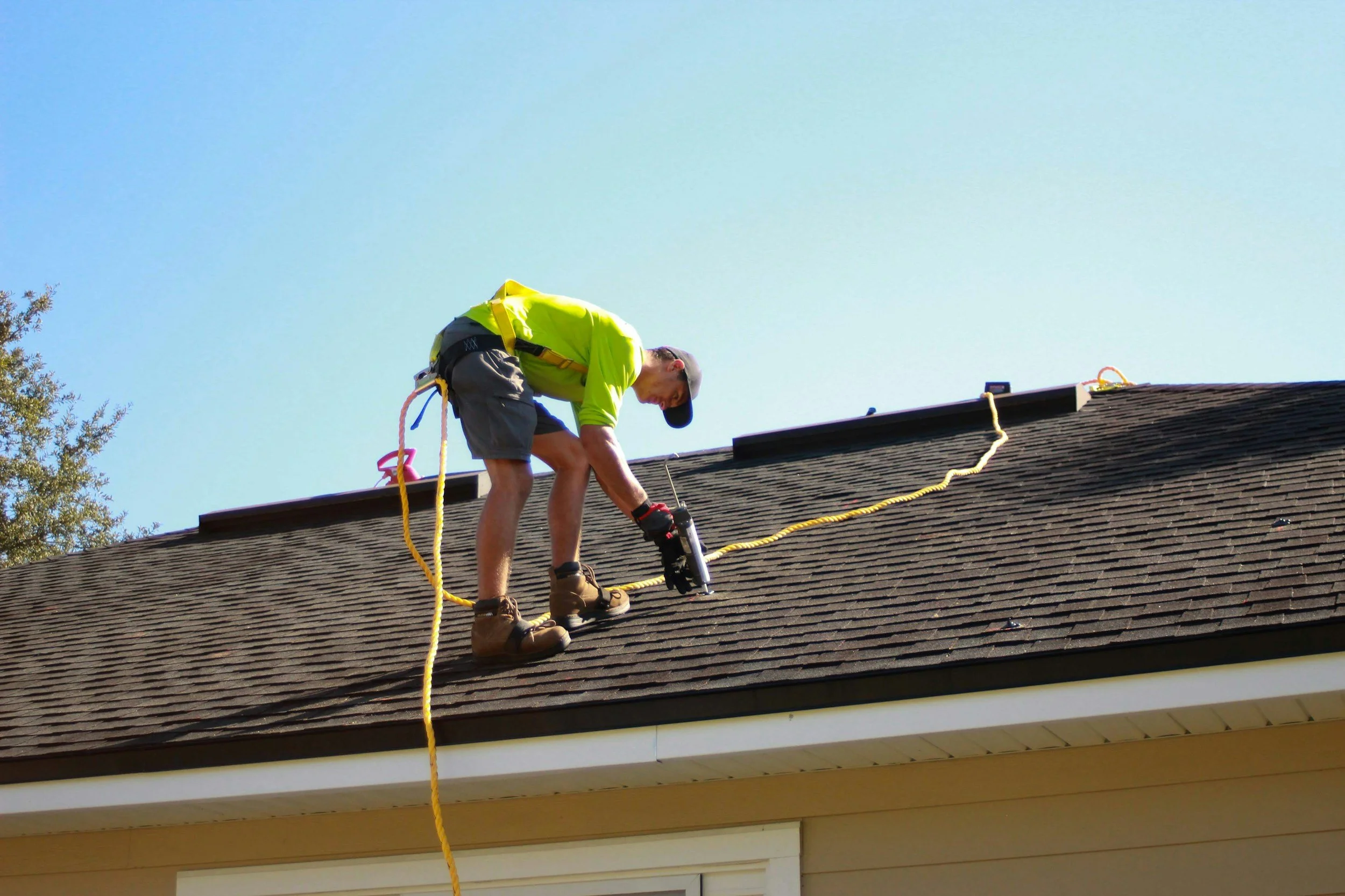
While homeowners can perform basic visual inspections, a professional roofing contractor can identify issues that may not be visible from the ground.
Consider scheduling a professional inspection:
Annually
After severe storms
Before selling your home
If your roof is more than 10 years old
If you're seeing signs of damage
Professional inspections typically evaluate:
Roofing materials
Flashing systems
Structural integrity
Attic ventilation
Moisture intrusion
Drainage systems
Comprehensive inspections help homeowners make informed decisions about maintenance, repairs, and future replacement planning.
Final Thoughts
A summer roof inspection is one of the simplest ways Minnesota homeowners can protect their investment.
By checking shingles, flashing, gutters, ventilation, and signs of storm damage, you can catch small problems before they turn into expensive repairs.
Regular inspections help extend the life of your roof, improve performance, and provide confidence that your home is protected year-round.
Schedule Your Free Roof Inspection with Elevate Roofing Solutions
Minnesota weather can be tough on your roof, but you don't have to navigate it alone. The team at Elevate Roofing Solutions provides professional roof inspections, maintenance recommendations, and expert roofing services designed to keep your home protected year-round.
Contact Elevate Roofing Solutions today to schedule your free roof inspection and gain confidence that your roof is ready for whatever Minnesota weather brings next.