
How Small Roof Leaks Turn into Big Problems: What Commercial Property Owners Need to Know

A small roof leak might not seem like a big deal—especially if it’s just a drip or a minor stain on the ceiling. But in commercial buildings, even the smallest leak can quickly escalate into a costly and disruptive problem.
For property owners and facility managers, understanding how minor roofing issues grow into major repairs is critical. In climates like Minnesota, where weather conditions accelerate wear and tear, small leaks can become serious structural issues faster than you think.
Inside the blog:
Why Small Roof Leaks Are Easy to Ignore
How Roof Leaks Start
The Hidden Path of Water Intrusion
How Small Roof Leaks Turn into Major Problems
Why Minnesota Weather Makes Leaks Worse
Signs Your Commercial Roof May Have a Leak
Protect Your Building Before It’s Too Late
Schedule a Roof Inspection with Elevate Roofing Solutions
Why Small Roof Leaks Are Easy to Ignore
Commercial roofs are often out of sight and out of mind. Unlike interior issues, roof problems can go unnoticed until visible damage appears inside the building.
Common reasons small leaks get overlooked:
They appear minor or intermittent
They don’t immediately disrupt operations
They are difficult to trace back to the source
They occur in low-traffic areas
However, what you see inside is often just a symptom—not the full extent of the damage.
How Roof Leaks Start
Small roof leaks can originate from several common issues:
Damaged Roofing Membrane
Punctures from debris, foot traffic, or aging materials can create tiny openings in the membrane.
Seam Failure
Over time, seams in TPO, EPDM, or PVC roofing systems can weaken or separate, allowing water to penetrate.
Flashing Issues
Flashing around HVAC units, vents, and roof edges can loosen or crack, creating vulnerable entry points.
Clogged Drainage Systems
Blocked drains or gutters can cause water to pool, increasing pressure on the roofing system.
Storm Damage
Hail, wind, and heavy snow can create small punctures or loosen materials without immediate visible signs.
The Hidden Path of Water Intrusion
Water doesn’t always enter a building directly above where you see the leak.
Once inside the roofing system, water can:
Travel laterally across insulation layers
Spread beneath the membrane
Saturate large areas before becoming visible
Follow the structural components before dripping inside
This means a small ceiling stain could indicate a much larger problem above.
How Small Roof Leaks Turn into Major Problems
Ignoring a minor leak allows damage to compound over time. Here’s how quickly things can escalate:
1. Insulation Damage
Once water penetrates the roofing membrane, it often reaches the insulation layer.
Wet insulation:
Loses its thermal performance
Increases energy costs
Becomes difficult to dry out
Often requires full replacement
What started as a small leak can lead to widespread insulation failure.
2. Structural Decking Deterioration
If water continues to penetrate, it can reach the structural decking beneath the roof.
This can cause:
Wood rot
Rusting in metal decks
Weakening of structural integrity
Safety hazards
Structural repairs are significantly more expensive than surface-level roofing repairs.
3. Mold and Mildew Growth
Moisture trapped within roofing systems and ceilings creates an ideal environment for mold growth.
This can:
Affect indoor air quality
Create health concerns for occupants
Lead to costly remediation
Impact tenant satisfaction
Mold issues often require both roofing repairs and interior restoration.
4. Interior Damage
Over time, leaks begin to impact the interior of the building:
Ceiling stains and collapse
Damaged drywall and paint
Flooring damage
Electrical system risks
For office buildings, this can disrupt operations and damage professional environments.
5. Increased Energy Costs
Damaged insulation and compromised roofing systems reduce energy efficiency.
This results in:
Higher heating costs in winter
Increased cooling costs in summer
Greater strain on HVAC systems
Energy loss is often one of the first hidden costs of a roof leak.
6. Business Disruption
For commercial properties, roof leaks can interrupt daily operations.
This may include:
Temporary closures
Relocation of tenants or staff
Equipment damage
Loss of productivity
Even a small leak can have a ripple effect on business operations.
Why Minnesota Weather Makes Leaks Worse
In Southern Minnesota, climate conditions accelerate roofing issues.
Freeze-Thaw Cycles
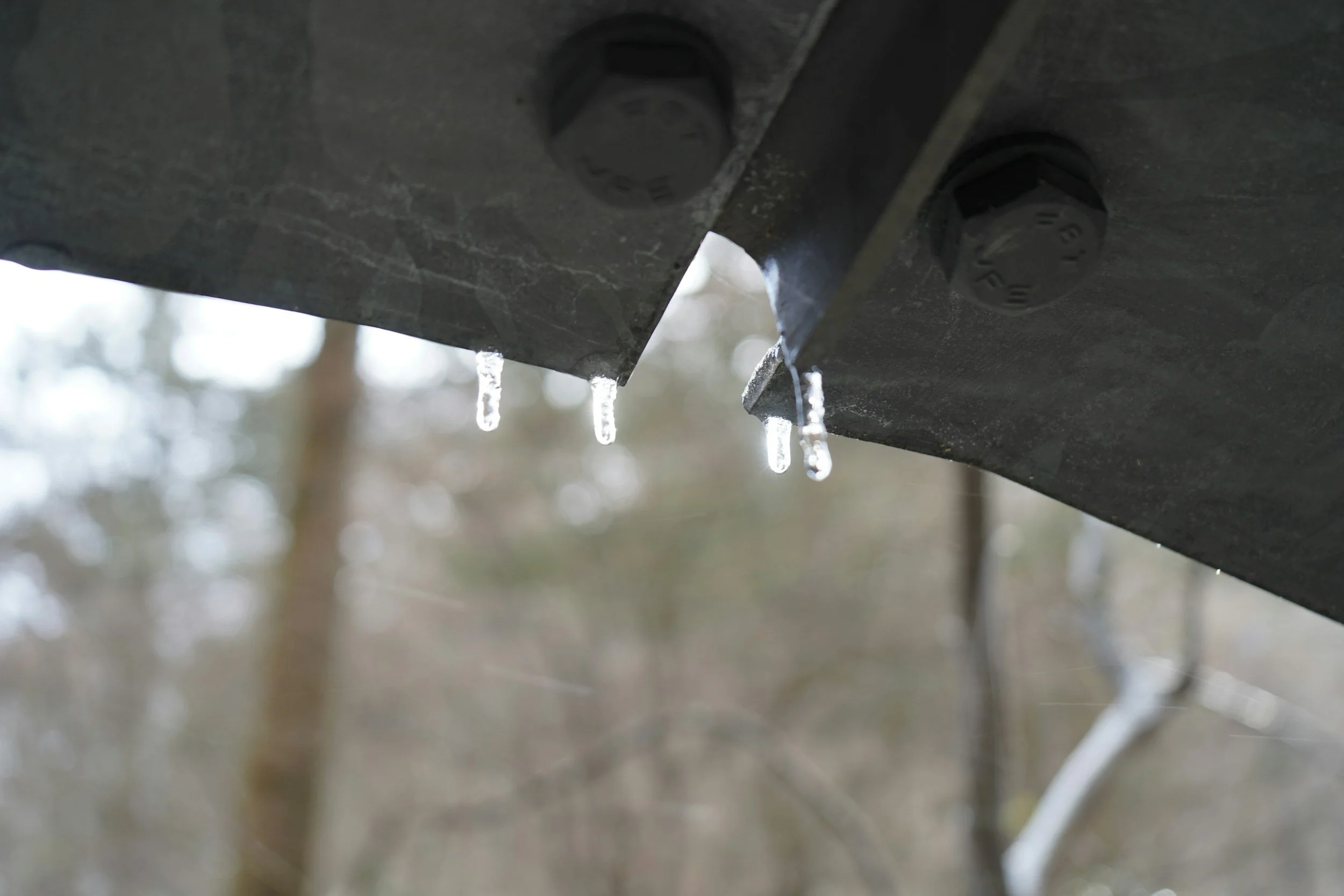
Water expands when it freezes, widening small cracks and openings in the roofing system.
Snow and Ice
Snow accumulation adds weight, while ice dams force water under roofing materials.
Heavy Rainstorms
Large volumes of water can overwhelm compromised areas of the roof.
Wind Exposure
Wind can lift membranes and worsen existing vulnerabilities.
These factors make it especially important to address leaks quickly.
Signs Your Commercial Roof May Have a Leak
Even if you don’t see active dripping, watch for:
Ceiling discoloration
Musty odors
Bubbling paint
Warped ceiling tiles
Unexpected increases in energy bills
Early detection is key to minimizing damage.
The True Cost of Ignoring a Small Roof Leak
A small repair might cost a few hundred to a few thousand dollars.
But if left unaddressed, that same issue can lead to:
Tens of thousands in repairs
Partial roof replacement
Interior restoration costs
Business interruption losses
Proactive repairs are always more cost-effective than reactive solutions.
How to Prevent Small Roof Leaks from Becoming Big Problems
Schedule Regular Roof Inspections
Routine inspections help identify vulnerabilities before leaks develop.
Maintain Drainage Systems
Keeping drains and gutters clear prevents water buildup.
Address Repairs Immediately
Even minor issues should be repaired as soon as they are identified.
Monitor Rooftop Traffic
Limiting unnecessary foot traffic reduces membrane damage.
Work with a Commercial Roofing Professional
Experienced contractors can identify issues that may not be visible to the untrained eye.
Repair vs. Replacement: When to Take Action
If leaks are isolated and the roof is relatively new, repairs may be sufficient.
However, if:
Leaks are widespread
Insulation is saturated
The roof is nearing the end of its lifespan
Replacement may be the better long-term investment.
Why Professional Inspections Matter
A professional commercial roof inspection provides:
Accurate leak detection
Assessment of underlying damage
Documentation for insurance claims
Clear repair recommendations
Attempting to address leaks without proper evaluation can lead to missed issues and repeated problems.
Protect Your Building Before It’s Too Late
Small roof leaks are rarely small problems. What starts as a minor issue can quickly escalate into structural damage, costly repairs, and business disruption.
For commercial property owners and facility managers, the key is early detection and fast action.
Schedule a Roof Inspection with Elevate Roofing Solutions
If you’ve noticed signs of a leak or want to prevent one before it starts—now is the time to act.
Elevate Roofing Solutions provides professional commercial roof inspections, repairs, and maintenance services designed to protect your building and extend the life of your roof.
Contact Elevate Roofing Solutions today to schedule a roof inspection and prevent small problems from becoming costly repairs.