
How Often Should a Commercial Roof Be Replaced?
A commercial roof is one of the most important systems protecting your building. It shields employees, customers, equipment, inventory, and interior spaces from rain, snow, ice, wind, and changing temperatures. But no commercial roofing system lasts forever.
So, how often should a commercial roof be replaced?
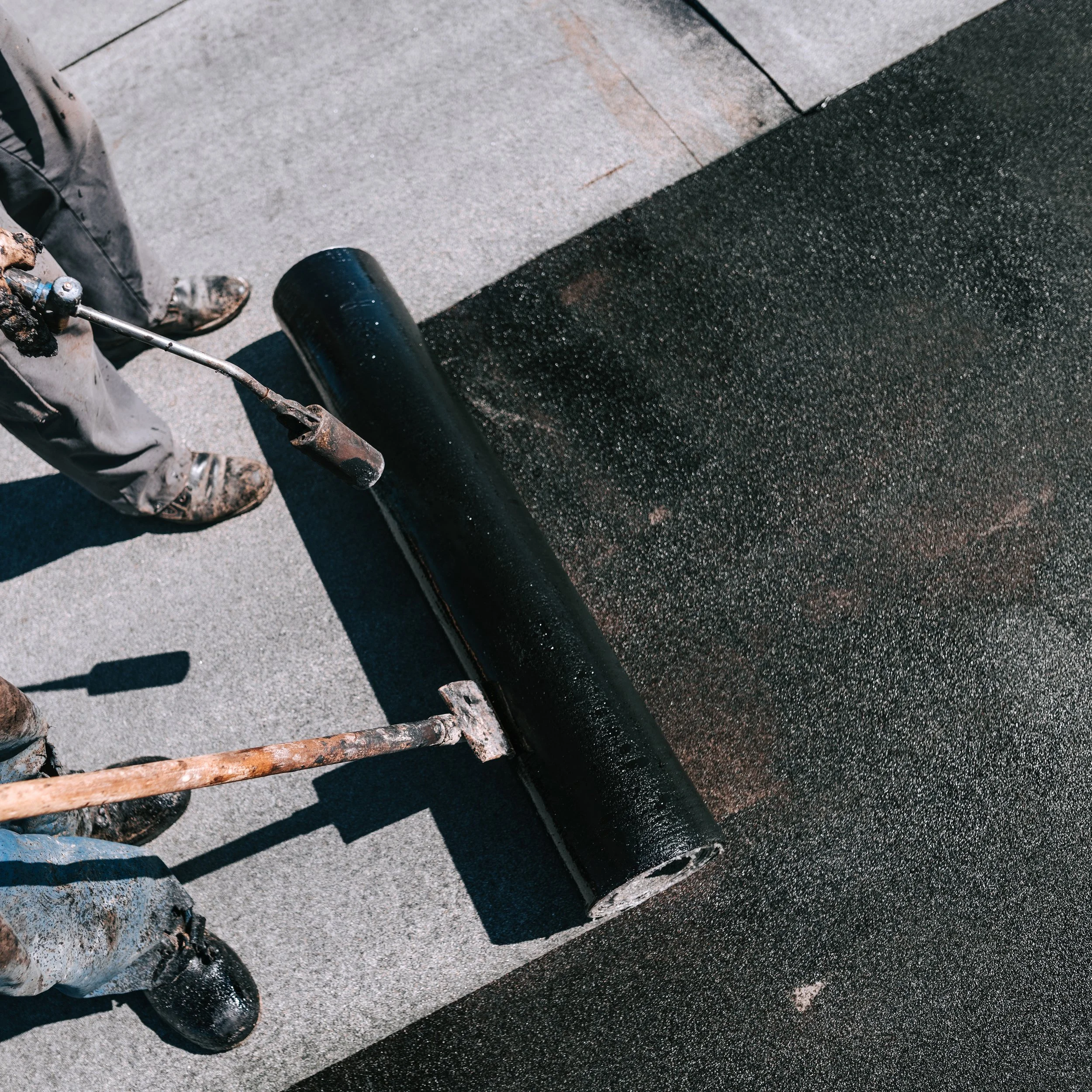
Many commercial roofing systems are designed to provide approximately 20 to 30 years of service, but there isn't one replacement schedule that applies to every building. The actual lifespan of a commercial roof depends on the roofing material, installation quality, maintenance history, drainage, building use, weather exposure, and how quickly damage is repaired.
The National Roofing Contractors Association (NRCA) notes that many new roofs are designed to provide around 20 years of useful service, while certain materials can last considerably longer. Climate, design, material quality, installation, and maintenance all influence actual roof life.
For commercial property owners, that means roof age should be treated as a planning tool, not an automatic replacement date.
Here's how to determine when your commercial roof may be approaching the end of its useful life.
How Long Does a Commercial Roof Last?
According to GAF, most commercial roofs generally last around 20 to 30 years, although actual performance varies considerably.
Some roofs require significant work earlier, while properly installed and maintained roofing systems can remain functional beyond their expected service life.
The type of commercial roofing system is one of the biggest factors.
TPO Roofing
Thermoplastic polyolefin, better known as TPO roofing, is commonly used on commercial and industrial buildings with low-slope roofs.
The membrane is valued for its reflective surface, heat-welded seams, and compatibility with many commercial building applications.
Its actual service life depends on membrane thickness, installation, exposure, drainage, maintenance, and other building-specific conditions.
EPDM Roofing
EPDM is a synthetic rubber roofing membrane with a long history in commercial roofing.
NRCA-published research has documented well-designed and properly installed EPDM systems providing 25 years or more of useful service, with some systems demonstrating significantly longer performance when proactively managed.
PVC Roofing
PVC roofing is another single-ply membrane system frequently used for commercial roofs.
Like TPO and EPDM, its lifespan depends heavily on installation quality, membrane specifications, climate, maintenance, roof traffic, and drainage.
Commercial Metal Roofing
Metal can be one of the longest-lasting commercial roofing options. NRCA has cited research involving pre-painted PVDF metal panels that projected a minimum service life of 40 years under the conditions studied. Proper design, detailing, installation, and maintenance remain critical to achieving long-term performance.
The takeaway is simple: the type of roof matters, but the way that roof is managed matters just as much.
7 Signs Your Commercial Roof May Need Replacement
A roof's age alone doesn't tell the entire story. Its current condition can provide much more useful information.
Here are seven signs that it may be time to start discussing commercial roof replacement.
1. Frequent Roof Leaks
One isolated leak doesn't necessarily mean your entire roof needs replacement. But when leaks become frequent, occur in multiple areas, or repeatedly return after repairs, the roofing system may be experiencing widespread deterioration.
Recurring leaks can also allow moisture to reach insulation, decking, walls, ceilings, equipment, and other building components.
2. Widespread Membrane Damage
Cracks, punctures, open seams, blistering, shrinking, or other membrane problems should be evaluated.
A localized damaged area may be repairable. Widespread deterioration across the roofing system can point toward a larger problem.
3. Ponding Water
Water that remains on a low-slope roof after rainfall deserves attention.
Ponding water can sometimes result from clogged drains or debris, but it may also indicate drainage or structural issues.
If you repeatedly see standing water on your commercial roof, have the cause evaluated rather than simply treating the visible symptom.
4. Damaged Flashing and Seams
Commercial roofs contain many vulnerable transition points.
These include:
HVAC equipment
Roof drains
Vents
Skylights
Parapet walls
Expansion joints
Curbs
Flashing
Membrane seams
These areas should be checked during routine inspections because failures can create pathways for moisture.
5. Wet or Damaged Insulation
Water beneath the roofing membrane can create a larger problem than the surface damage suggests.
Wet insulation may reduce thermal performance and indicate that moisture has traveled through the roofing assembly.
Determining the extent of moisture within the system can help establish whether targeted repairs, restoration, or replacement makes the most sense.
6. Increasing Repair Costs
Consider how much you're spending to keep an aging roof functional.
Occasional maintenance is normal. Constant emergency calls and repeated repairs are different.
At some point, continuing to invest in an aging roof can become less practical than planning a larger restoration or replacement project.
7. Your Roof Is Nearing Its Expected Service Life
If your commercial roof is approaching 20, 25, or 30 years old, that doesn't automatically mean it needs replacement.
It does mean you should have a clear understanding of its condition.
An older roof with a documented maintenance history may outperform a younger roofing system that has been neglected or poorly installed.
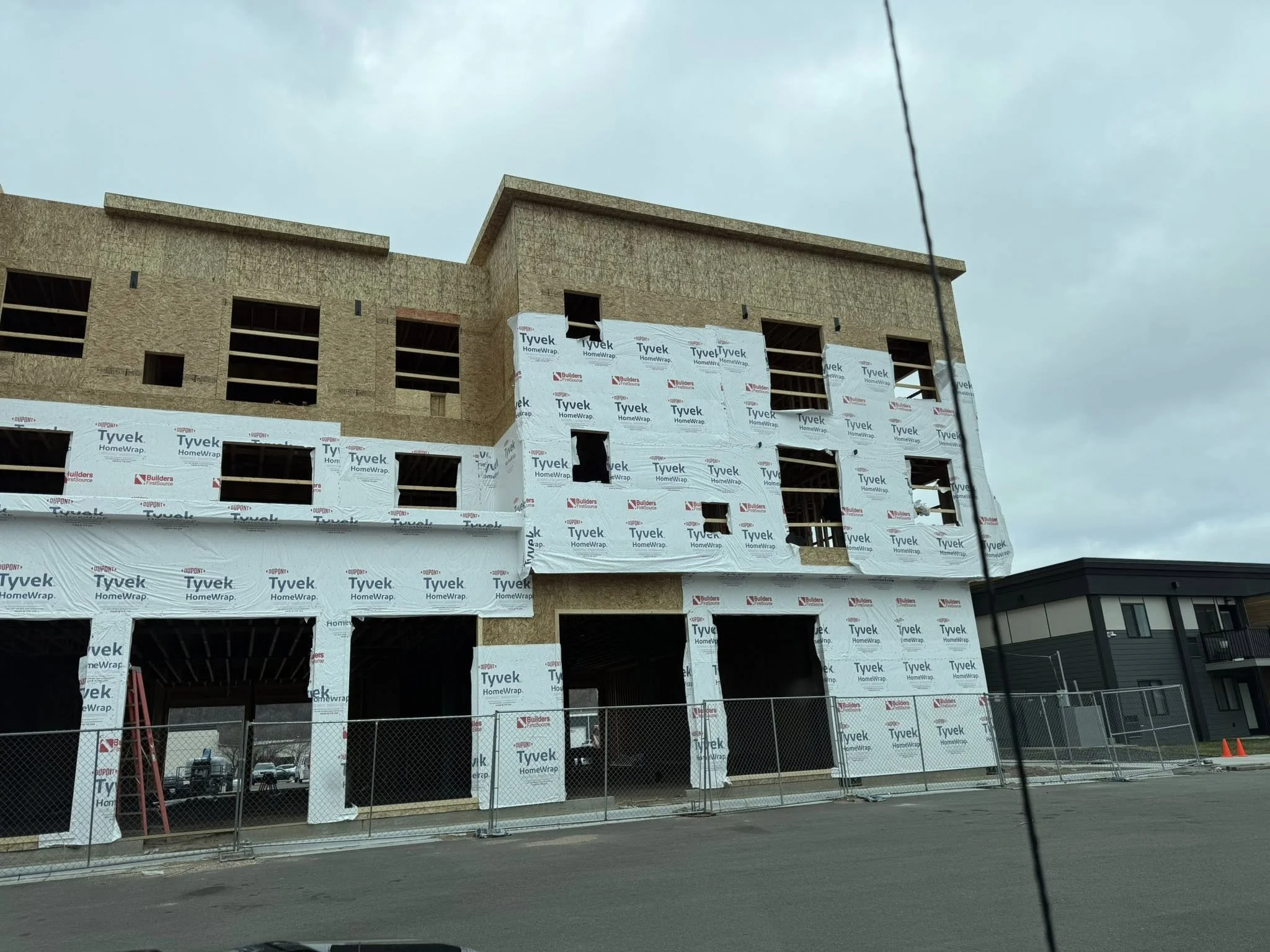
Does a 20-Year-Old Commercial Roof Automatically Need Replacement?
No.
This is one of the most important things for commercial property owners to understand.
A 20-year-old roof shouldn't automatically be replaced simply because it reached a certain age.
Instead, consider:
Current roof condition
Roofing material
Leak history
Moisture within the system
Condition of insulation
Drainage
Previous repairs
Flashing and seams
Roof traffic
Maintenance history
Plans for the building
A professional commercial roof inspection can provide a clearer picture of how much useful life may remain.
How Often Should You Have a Commercial Roof Inspected?
Regular inspections can help you understand how quickly your roofing system is aging.
GAF recommends regular commercial roof inspections, noting that many manufacturers require documented inspections and maintenance to maintain certain guarantee coverage. GAF also recommends commercial roof inspection and maintenance twice per year as a way to stay ahead of potential problems.
For Minnesota buildings, inspections can be especially useful after significant weather events such as:
Hailstorms
High winds
Heavy snowfall
Ice events
Severe thunderstorms
A small issue discovered during an inspection can often be easier to address than a problem discovered after water reaches the interior of the building.
Can Maintenance Extend the Life of a Commercial Roof?
Preventive maintenance can play an important role in maximizing a roof's useful service life. NRCA emphasizes scheduled roof inspection and maintenance programs as a way to optimize the service life of commercial roofing assemblies.
Routine commercial roof maintenance may include:
Cleaning drains and gutters
Removing debris
Checking seams
Inspecting flashing
Evaluating penetrations
Repairing punctures
Checking sealants
Addressing minor leaks
Inspecting areas around rooftop equipment
Documenting changes in roof condition
The goal isn't to make a roof last forever.
It's to catch manageable problems before they become expensive ones and get as much useful service as practical from the roofing system.
Repair, Restore, Coat or Replace?
Commercial property owners often have more than two choices.
Depending on the roof's condition, options could include:
Repair: Localized problems may be addressed without replacing the entire roofing system.
Maintenance: Preventative work may help preserve a roof that's still performing well.
Roof coating or restoration: A structurally sound roof may qualify for a commercial roof coating or restoration system that can extend its useful service life.
Replacement: Extensive deterioration, recurring leaks, saturated insulation, structural concerns, or widespread system failure may make replacement the more appropriate long-term solution.
The condition of the existing roof should determine the recommendation.
How Much Does Commercial Roof Replacement Cost?
There isn't one reliable price per square foot that applies to every commercial roof.
Commercial roof replacement cost depends on factors such as:
Building size
Roofing system
Existing roof condition
Tear-off requirements
Insulation
Deck condition
Drainage
Number of roof penetrations
Flashing details
Building height
Accessibility
Labor
Material specifications
Warranty requirements
Two buildings with the same square footage can have very different roofing costs.
That's why a professional roof assessment is important when budgeting for a future replacement.
Why Minnesota Weather Matters
Commercial roofs in Minnesota experience demanding seasonal conditions.
During a single year, a roof may face extreme cold, snow accumulation, ice, spring rain, summer heat, UV exposure, hail, wind, and repeated freeze-thaw cycles.
Those conditions make preventative maintenance particularly important for commercial properties in Mankato and Southern Minnesota.
Instead of waiting until the roof reaches an arbitrary age, building owners can monitor its condition and plan capital improvements before an emergency occurs.
Planning for Commercial Roof Replacement
The best time to start thinking about replacing a commercial roof is usually before it begins failing.
If you know your roof is aging, start gathering information.
Find out:
When the roof was installed
What roofing system you have
Whether warranties or guarantees remain
What repairs have been completed
Whether leaks have occurred
When the roof was last professionally inspected
Keeping this information can make future maintenance and capital planning significantly easier.
It can also help your roofing contractor understand the history of the system.
Commercial Roof Replacement in Mankato & Southern Minnesota
If your commercial roof is approaching the end of its expected service life, you don't have to wait for a major leak to determine your next step.
Elevate Roofing Solutions works with commercial property owners in Mankato and Southern Minnesota to evaluate roofing systems and identify practical solutions based on the building's condition.
Depending on what an inspection reveals, that may include maintenance, targeted repairs, waterproof roof coatings, restoration, or complete commercial roof replacement.
Warehouses, manufacturing facilities, retail properties, offices, agricultural facilities, and other commercial buildings all have different roofing needs. The right solution starts with understanding what is happening on the roof you already have.
So, How Often Should a Commercial Roof Be Replaced?
For many commercial roofing systems, 20 to 30 years is a useful planning range, but it shouldn't be treated as a mandatory replacement schedule.
Roofing material, Minnesota weather, drainage, installation quality, maintenance, repairs, and building use can all affect how long a roof actually performs. Regular inspections and maintenance can also help optimize service life.
If your commercial roof is aging, leaking often, showing widespread damage, or requiring increasingly expensive repairs, it's time to have a professional evaluate the system.
Contact Elevate Roofing Solutions to schedule a commercial roof inspection in Mankato or Southern Minnesota and determine whether your building needs roof maintenance, repair, restoration, coating, or replacement.