
Hail Damage: What to Expect (Q&A Guide for Homeowners & Property Managers)
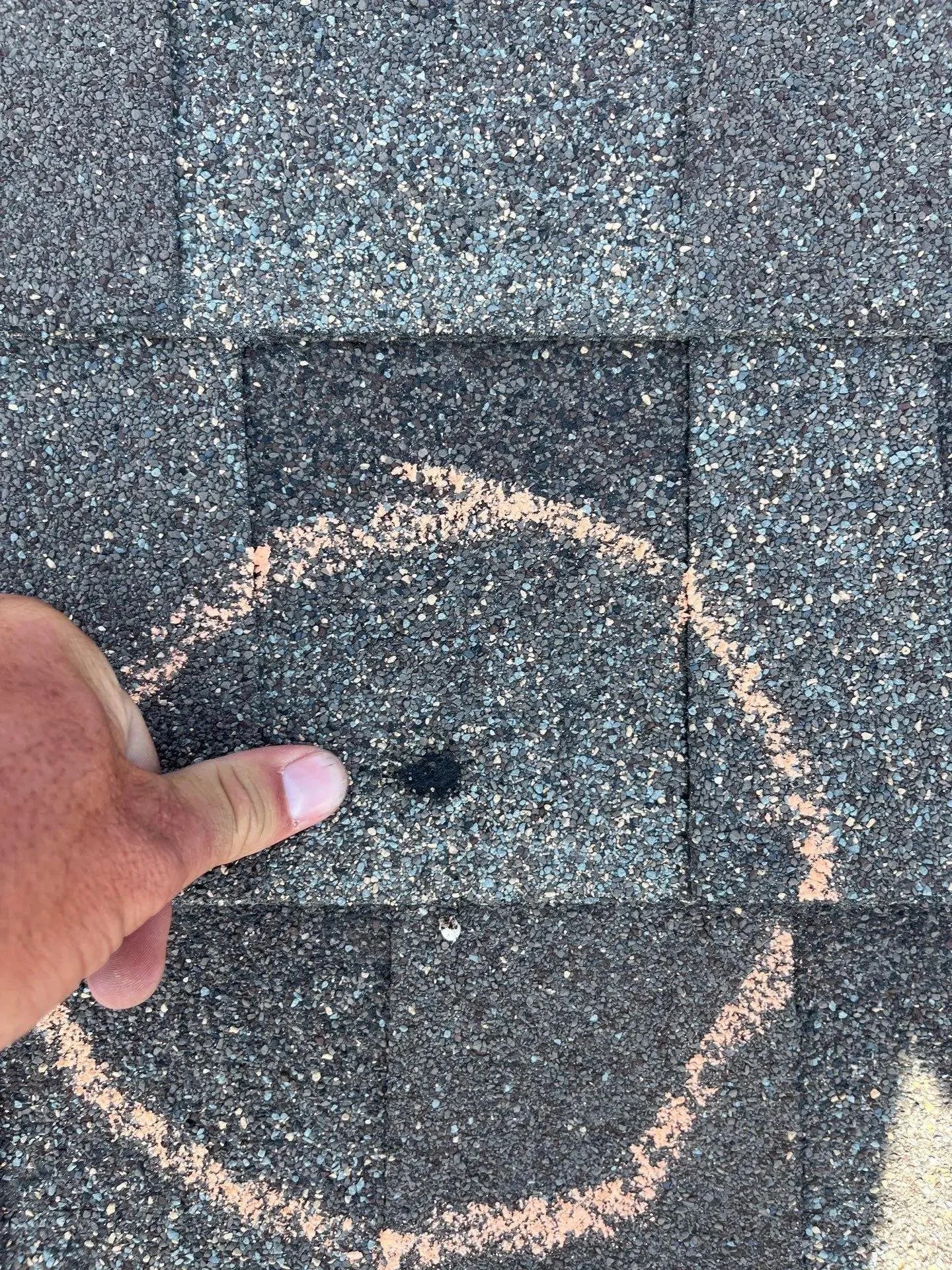
When severe weather rolls through Minnesota, hailstorms can leave behind more damage than you might expect. From minor granule loss to major structural issues, hail can significantly impact the lifespan and performance of your roof. The challenge? Many signs of damage aren’t visible from the ground.
That’s why understanding hail damage and knowing what to do next can save you thousands in repairs and help protect your property long-term.
Call today: 507-381-5868
Schedule your FREE roof inspection and get peace of mind before the next storm.
What Is Hail Damage?
Hail damage occurs when ice pellets strike your roof, siding, or other exterior surfaces during a storm. The severity depends on factors like hail size, wind speed, roofing material, and the age of your roof.
Even small hailstones can cause damage over time, especially if your roof is already aging or compromised.
Q: How Can I Tell If My Roof Has Hail Damage?
A: Some signs are obvious, while others require a trained eye. Look for:
Dents or bruising on shingles
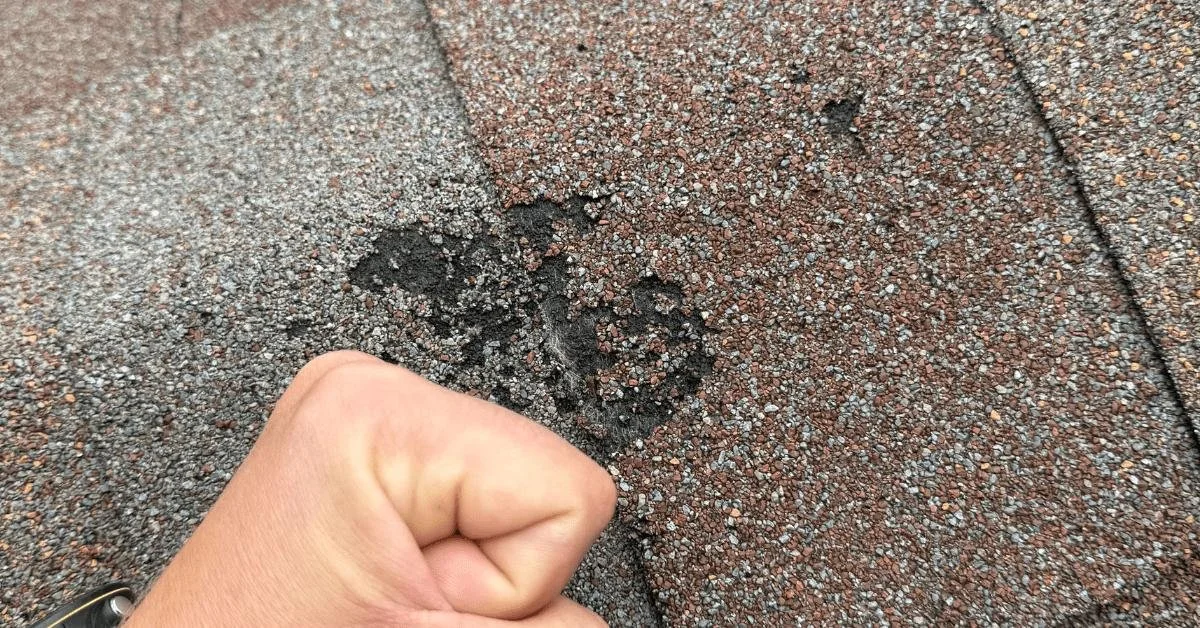
Loss of protective granules (appearing as bald spots)
Cracked or split shingles
Soft spots that feel spongy when walked on
Dented gutters, downspouts, or vents
If you notice any of these, it’s time to schedule a professional inspection.
Q: Is Hail Damage Always Visible Right Away?
A: No—and that’s what makes it dangerous.
Hail damage can weaken your roof without immediate leaks. Over time, those weak points allow moisture to seep in, leading to:
Interior water damage
Mold growth
Insulation issues
Structural deterioration
A roof may look “fine” from the ground but still be compromised.
Q: What Should I Do After a Hailstorm?
A: Follow these steps:
Inspect from the ground – Look for visible damage to siding, gutters, or landscaping.
Document everything – Take photos of any signs of impact.
Schedule a professional inspection – This is critical for catching hidden damage.
Avoid climbing on your roof – It’s unsafe and can cause further damage.
Q: Will My Insurance Cover Hail Damage?
A: In most cases, yes.
Homeowners’ insurance policies typically cover hail damage, but timing matters. Many policies have a limited window to file a claim after a storm.
Working with a trusted roofing professional can help you:
Identify legitimate damage
Document findings properly
Navigate the insurance claims process
Q: How Soon Should I Get My Roof Inspected?
A: As soon as possible after a storm.
The longer you wait, the more likely small issues will turn into costly repairs. Early inspections help:
Prevent leaks before they start
Strengthen insurance claims
Extend the life of your roof
Q: What Types of Roofs Are Most Affected by Hail?
A: All roofs can be impacted, but some materials are more vulnerable:
Asphalt shingles – Most common and prone to granule loss and bruising
Metal roofs – Durable but can dent cosmetically
Wood shakes – Can split or crack
Flat roofs – May experience membrane punctures
Each material responds differently, which is why professional evaluation matters.
Q: Can Small Hail Really Cause Big Problems?
A: Absolutely.
Even pea-sized hail can knock granules loose, exposing your roof to UV rays and accelerating wear. Over time, this leads to:
Faster aging
Reduced waterproofing
Increased risk of leaks
Q: Should I Repair or Replace My Roof?
A: It depends on the extent of the damage.
Minor damage → Spot repairs may be enough
Moderate damage → Partial replacement
Severe damage → Full roof replacement
A professional inspection will give you a clear recommendation based on your roof’s condition and long-term value.
Q: How Can I Prevent Future Hail Damage?
A: While you can’t stop a storm, you can prepare:
Install impact-resistant shingles
Schedule regular roof inspections
Maintain gutters and drainage systems
Address small issues before they escalate
Proactive maintenance is your best defense.
Q: Why Choose a Local Roofing Expert?
A: Local contractors understand regional weather patterns and building requirements. They’re also available when you need them most—before and after storms.
Choosing a trusted, community-driven roofing company means:
Honest assessments (no high-pressure sales)
Fast response times
Knowledge of local insurance processes
Long-term support
Final Thoughts: Don’t Wait Until It Leaks
Hail damage isn’t always obvious—but it can have lasting consequences if ignored. The key is to act early, get a professional opinion, and make informed decisions about your roof.
Schedule your FREE roof inspection and protect your home before the next storm hits